
Managing a high-rise building in the Lower Mainland: whether it’s a luxury condo tower in Richmond or a commercial hub in downtown Vancouver: is a massive responsibility. Between managing tenant expectations and balancing the strata budget, the last thing you want is a 2:00 AM phone call about a burst pipe on the 20th floor.
In a high-rise environment, water doesn’t just stay in one place. Gravity is your biggest enemy. A single pinhole leak can migrate through floor slabs, travel down electrical conduits, and cause hundreds of thousands of dollars in damage across multiple units before anyone even notices.
At Leak Logic Canada, we see it all the time. Property managers and strata councils often think they’re protected because they have a "leak system," but many are making critical errors that leave their assets vulnerable. Let’s break down the seven most common mistakes we see in high-rise water leak detection and, more importantly, how to fix them before the next rainy season hits the West Coast.
1. Relying on a "Single-Point" Detection Strategy
Many buildings install a few sensors in the main mechanical room and call it a day. While protecting the "heart" of the building is great, it does nothing for the "veins" and "arteries" running through every floor.
The Problem: High-rises have complex, vertically stacked infrastructure. A leak in a kitchen sink on the 15th floor can bypass the mechanical room sensors entirely while flooding the 14th, 13th, and 12th floors.
How to Fix It: You need a layered water leak detection system. This means combining point-source sensors (for under appliances), flow detection (to monitor the main lines), and even specialized cable sensors for overhead piping. This multi-layered approach ensures that whether the leak is a slow drip behind a wall or a massive pipe burst, your system catches it.
2. Neglecting the "Invisible" High-Risk Zones
Most people think of leaks in terms of toilets and sinks. However, in a high-rise, some of the most catastrophic damage comes from systems that are out of sight and out of mind.
The Problem: Property managers often overlook HVAC condensate pans, fan coil units, and mechanical closets. When an HVAC pan clogs in a Burnaby tower, the overflow often goes straight into the flooring of the units below, often hidden by drywall until mold begins to grow.
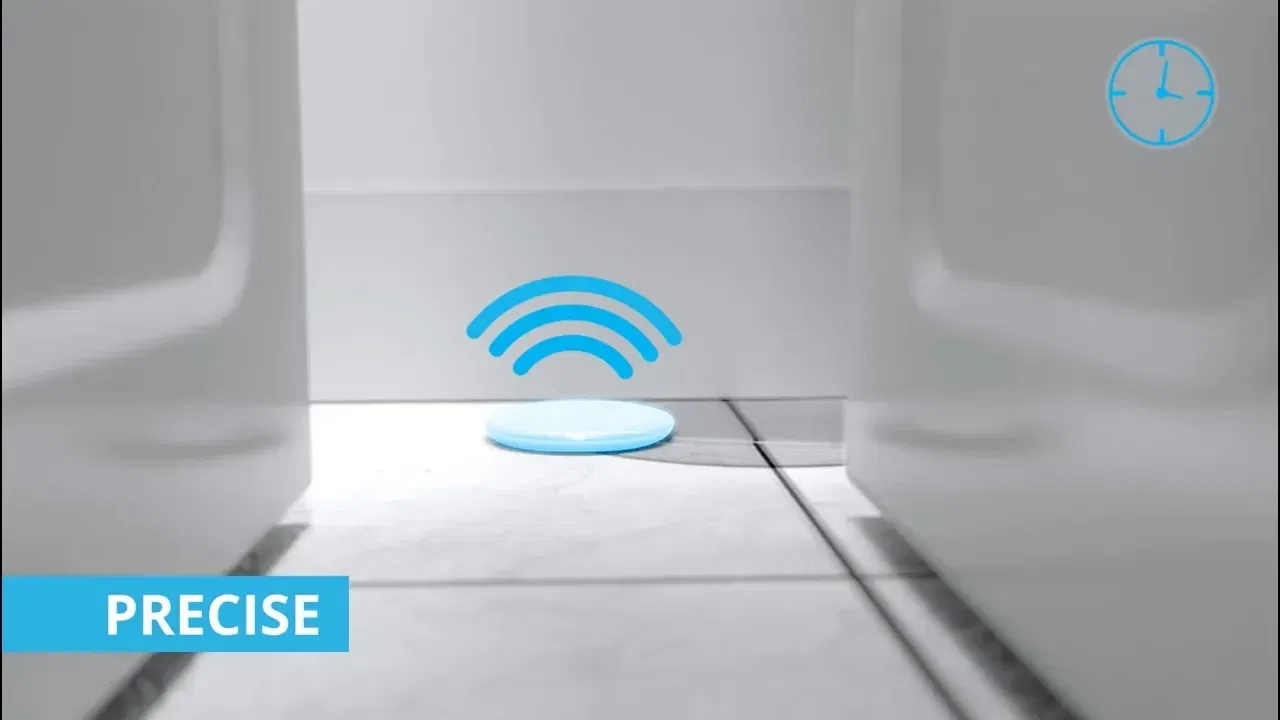
How to Fix It: Ensure your smart water leak detector placement includes these high-risk mechanical zones. At Leak Logic, we recommend sensors with 0.015-inch leak sensitivity. This level of precision is vital for catching HVAC overflows before the water has a chance to pool and seep into the building’s structure.
3. Assuming "Visual Inspection" is a Valid Strategy
We still talk to strata councils in Vancouver who believe that because they have a proactive maintenance team doing walk-throughs, they are "safe."
The Problem: Visual inspections only catch leaks that have already become obvious. By the time a tenant sees a yellow stain on their ceiling, the internal structure of the building has likely been saturated for days, if not weeks. This leads to massive insurance claims and skyrocketing deductibles.
How to Fix It: Move from a reactive to a proactive model. Technology doesn’t take lunch breaks or miss a floor. Implementing a system with real-time monitoring means you get a notification the second moisture is detected. Integrating condo water damage strategies into your long-term capital plan is the only way to truly protect the building’s equity.
4. Failing to Install an Automatic Water Shut Off Valve
Finding a leak is only half the battle. If a leak is detected at 3:00 AM on a Sunday, how long does it take for your on-call plumber or building manager to arrive, find the manual valve, and shut it off?
The Problem: In a high-rise, minutes matter. Every sixty seconds that a 1-inch pipe is open, dozens of gallons of water are pumped into the building. Relying on human intervention is a recipe for disaster.
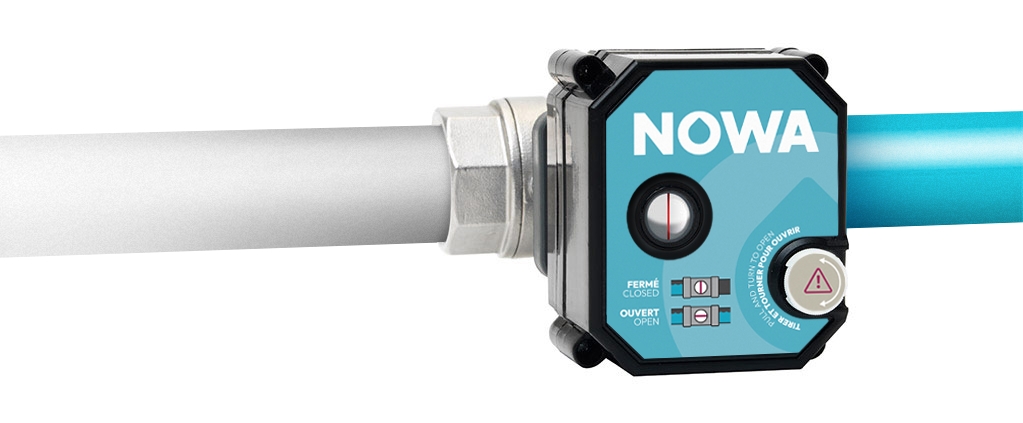
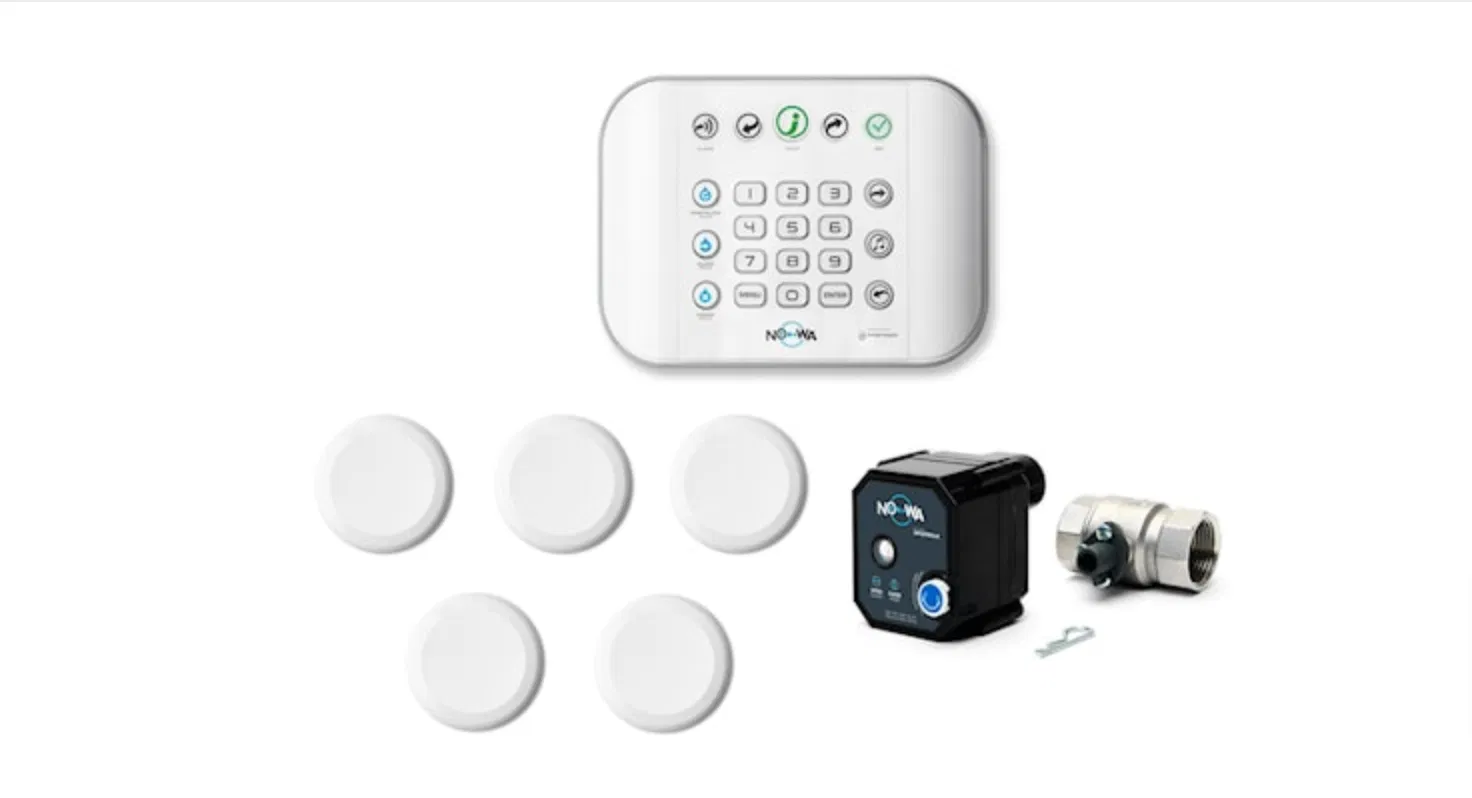
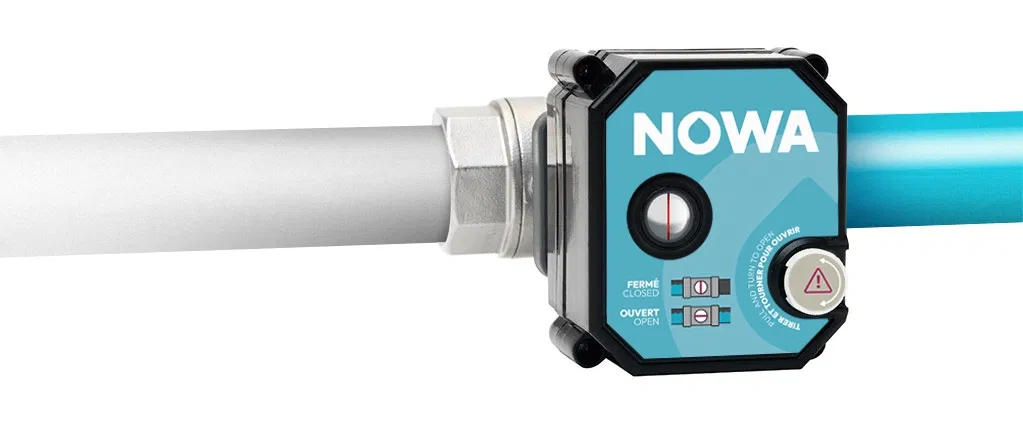
How to Fix It: Every high-rise should have an automatic water shut off valve integrated into their detection system. When the Nowa sensors (featuring gold-plated probes for maximum durability) detect water, they send an immediate signal to the valve. The water is cut off instantly: often before the first gallon can even leave the pipe. This technology is a game-changer for reducing insurance claims and premiums.
5. Using Residential-Grade Hardware in a Commercial Environment
It’s tempting to head to a big-box store and buy a few "smart" sensors designed for a single-family home. This is one of the most expensive mistakes a property manager can make.
The Problem: Residential sensors often rely on the building’s Wi-Fi. In a concrete and steel high-rise, Wi-Fi signals are notoriously unreliable. If the internet goes down or the signal can't penetrate the floor slab, your "smart" system is effectively a paperweight. Furthermore, residential sensors lack the durability needed for the high-pressure environment of a commercial tower.
How to Fix It: Invest in commercial-grade IoT solutions like the Nowa 4S system. These systems use LTE connectivity or dedicated wireless frequencies that don't depend on the building’s patchy Wi-Fi. They also include features like 5°C freeze alerts: critical for Lower Mainland buildings during those unexpected winter cold snaps: to prevent frozen pipes from bursting in the first place.
6. Poor Sensor Placement and Maintenance
Even the best smart water leak detector won't work if it’s placed in the wrong spot or if the batteries have been dead for three years.
The Problem: We often see sensors placed too far away from the potential leak source or tucked in areas where they get kicked or moved by residents. Even worse, many systems don't "check in" with the main panel, so you have no idea if a sensor has gone offline.
How to Fix It: Professional placement is key. Sensors should be placed precisely where water is likely to pool first. Our sensors use gold-plated probes to prevent corrosion and ensure long-term reliability. Moreover, choosing a system with a centralized management portal allows property managers to see the status of every sensor in the building at a glance. Understanding water sensors and their limitations is the first step toward a proper installation.
7. Ignoring the "Insurance Gap"
Insurance companies are no longer willing to foot the bill for preventable water damage in high-rises. In fact, many insurers in BC are raising deductibles to $100,000, $250,000, or even refusing to renew policies for buildings without a professional leak detection system.
The Problem: Many strata councils wait until they’ve had a claim to look for a solution. By then, the damage to their insurance record is already done, and premiums have already spiked.
How to Fix It: Be proactive. Many major Canadian insurers: like Northbridge, Aviva, and Intact: actually offer incentives or premium reductions for properties equipped with Leak Logic Canada’s systems. By installing a high-rise water leak detection system now, you aren't just preventing damage; you're actively protecting the strata’s financial health and ensuring the building remains insurable in a tightening market.
The Leak Logic Advantage: Beyond Just Plumbing
Imagine the peace of mind that comes with knowing every unit and common area in your building is protected 24/7. No more stressing about a tenant leaving a tap running or an aging water heater failing while a resident is on vacation in Hawaii.
At Leak Logic Canada, we don't just sell hardware; we provide an asset protection partnership. Our systems are designed for the unique challenges of the Lower Mainland’s real estate landscape. Whether you are managing a new development in Surrey or retrofitting an older building in Coquitlam, our technology scales to fit your needs.
Why Property Managers Choose Us:
- Precision: 0.015-inch leak sensitivity catches the "silent" leaks.
- Durability: Gold-plated probes ensure your sensors last for years without corroding.
- Safety: 5°C freeze alerts prevent the disaster of a winter pipe burst.
- Instant Action: Automatic water shut-off stops the damage before it starts.
- Connectivity: LTE-enabled systems that don't rely on tenant Wi-Fi.

Protect Your Building Near You
Don't wait for a disaster to prove that your current detection strategy isn't working. If you are a property manager, asset manager, or part of a strata council in Vancouver, Burnaby, Richmond, or anywhere in the Lower Mainland, now is the time to upgrade your building's defenses.
Whether you're looking for a "water leak detection system near me" or you need a comprehensive risk assessment for a multi-tower portfolio, Leak Logic Canada is here to help. We specialize in B2B solutions that reduce liability, protect assets, and keep insurance premiums manageable.
Stop leaks instantly and automatically. Protect your building's future today.
Call Leak Logic Canada at [Insert Phone Number] or visit our website to schedule a professional consultation for your high-rise property in the Vancouver area.
Let us help you find the right high rise water leak detection solution to keep your residents dry and your strata budget intact. From the North Shore to the Fraser Valley, we are your local experts in water damage prevention.