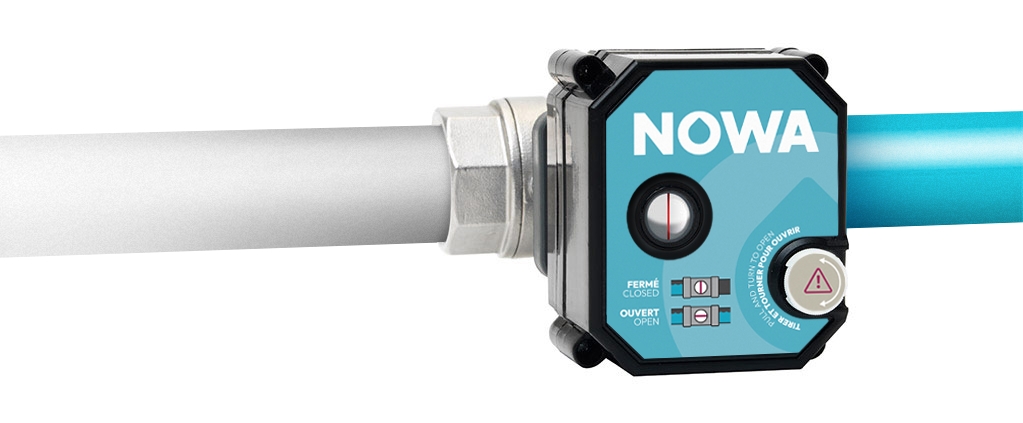
Water damage in condos can lead to serious structural issues, costly repairs, and a lot of stress for homeowners. It’s crucial to understand how to protect your investment and keep your living space safe. In this blog, we will explore effective strategies to mitigate condo water damage, ensuring you can enjoy your home without worry.
Understanding the Common Causes of Water Damage in Condos
To effectively mitigate water damage, it’s essential to recognize the common culprits. This section covers issues like leaky pipes, roof leaks, and flooding from nearby sources.
One of the most frequent causes of water damage in condos is plumbing failures. Over time, pipes can corrode or become loose, leading to unwelcome leaks. For many owners, these issues can go unnoticed until they manifest as visible stains or mold growth. When you first spot a small damp patch on your ceiling or wall, don’t dismiss it. Even minor evidence of moisture can indicate a larger plumbing issue that needs prompt attention.
Another concern is roof leaks, especially in older buildings where materials might have deteriorated. Heavy rain or snow can exacerbate these leaks, leading to significant water intrusion. It’s essential to have a preventive maintenance plan in place, including regular inspections of your roof to address potential vulnerabilities. Ignoring this aspect could lead to severe structural damage, and ultimately a more costly repair.
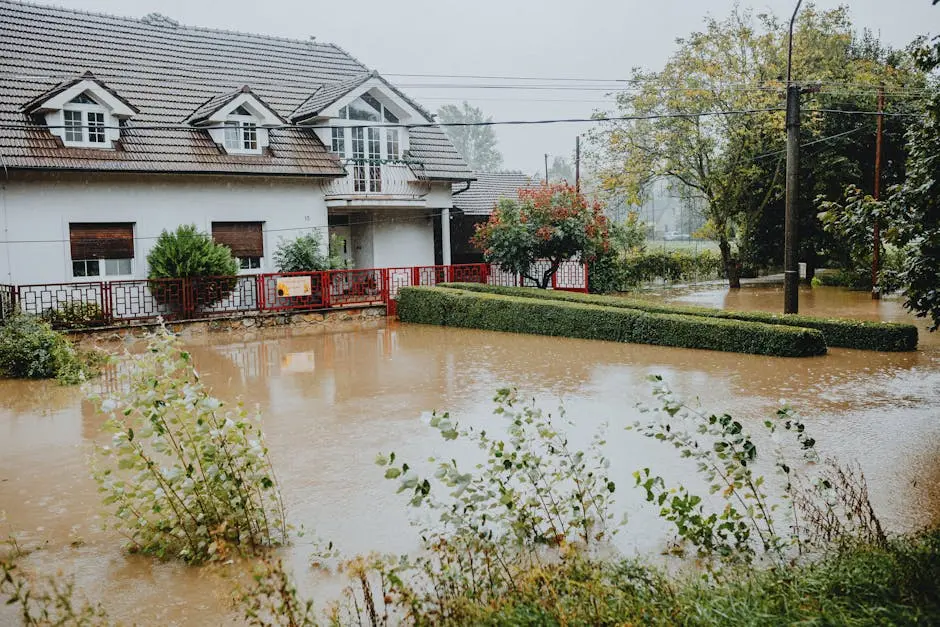
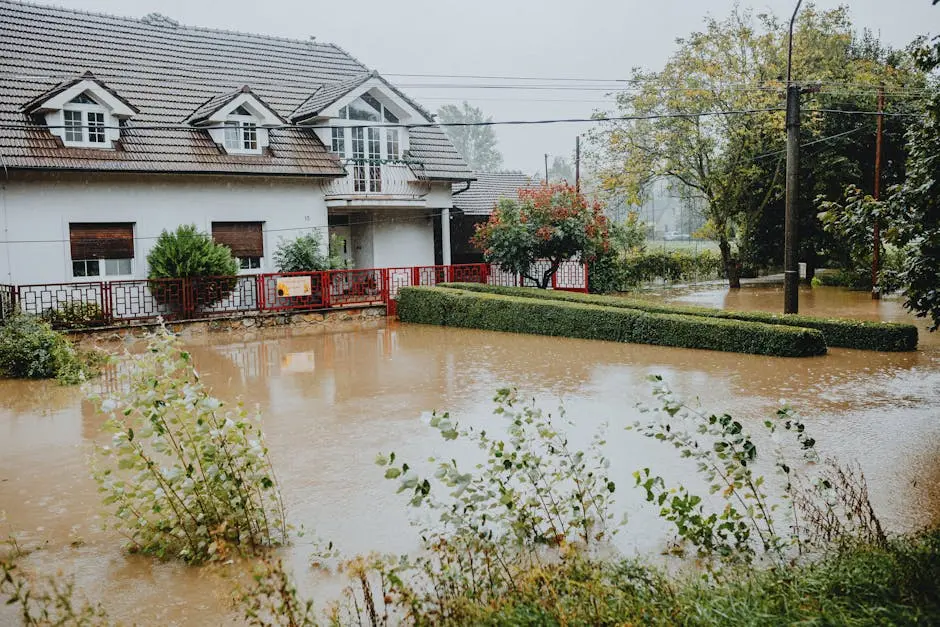
Additionally, natural disasters such as floods pose a considerable risk to condos, particularly those situated in flood-prone areas. Severe weather can lead to water overflowing from drains and entering your living space. Being aware of your property’s geographical risks can assist in formulating a disaster plan that will mitigate possible damage. It’s wise to keep emergency supplies ready and to stay informed about weather predictions during storm seasons.
Regular Maintenance Routines to Prevent Water Damage
We’ll delve into a simple maintenance checklist that condo owners can follow to identify potential water issues before they escalate into bigger problems.
Creating a routine inspection schedule is one of the most effective ways to combat condo water damage. Set aside time monthly to check various areas, beginning with your plumbing fixtures. Look for signs of leaks around sinks, toilets, and bathtubs. Even a tiny drip can spiral into a significant issue over time if left unchecked. Make it a habit to inspect caulking and seals as well; these are vital in keeping moisture at bay.
In addition to plumbing, don’t overlook your appliances. Washing machines and dishwashers are notorious for causing water damage due to faulty hoses or connections. Check these fixtures regularly for any signs of wear and replace them if needed. Also, consider using hose bib leak detectors for additional peace of mind. Knowing that your appliances are functioning properly reduces the risk of surprise flooding.
And let’s not forget about gutters and downspouts. Clearing these out regularly can prevent water buildup on your roof, which can lead to leaks down the line. It’s essential to ensure that water drains away from your foundation rather than pooling around your condo. Make it a point to inspect and maintain these systems, especially before rainy seasons.
Installing Efficient Drainage Systems
Discuss the importance of proper drainage around the condo building and the benefits of installing sump pumps and downspouts to manage water flow effectively.
Proper drainage is crucial to preventing water damage in condos. Without these systems in place, water can accumulate around your building, leading to significant issues over time. An effective drainage system helps channel rainwater away from the condo, protecting its foundation and interior from potential damage. This means investing in components like gutters, downspouts, and even grading the landscape around your home can be beneficial.
Consider installing sump pumps, especially if your condo is located in a basement or lower level. These devices are designed to evacuate any water that collects in your unit, thereby keeping your living space dry. Regular maintenance of these pumps is also essential; they should be tested frequently to ensure they’re working properly and can handle unexpected heavy rain.
Moreover, understanding how your condo’s drainage interacts with the community’s system can provide insights into flood risks. Engage with property management to ensure that cooperative maintenance aligns with your units needs. Correct drainage will not just keep your unit dry, but it will enhance the overall property value as well.
Utilizing Water-Proofing Techniques and Materials
Explore modern waterproofing solutions, such as sealants and membranes, that can be applied to vulnerable areas in your condo.
Water-proofing your condo should be a top priority, particularly in areas susceptible to moisture damage such as basements, bathrooms, and kitchens. Various modern materials can effectively keep water at bay. For example, applying liquid waterproofing membranes can create a seamless barrier against moisture. These membranes are typically easy to apply and can be a DIY project if you’re handy with home improvements.
In addition to membranes, consider investing in high-quality sealants for windows and doors. These create a waterproof seal that can prevent exterior water from entering your living space, especially during heavy rain or snowmelt. Investing in these materials can be an affordable way to mitigate damage while also enhancing energy efficiency.
Moreover, you might want to employ pressure-treated wood in areas that are prone to water exposure. Not only does it resist moisture better than regular wood, but it also resists rot and decay over time. Even small changes in your condo’s structure can make a significant difference in preventing water damage.
When to Seek Professional Help for Water Damage Issues
It’s important to know when to call in the experts. This section provides guidance on recognizing signs of severe damage that require professional intervention.
While many water damage issues can be handled with a DIY approach, there are specific instances where professional help is necessary. Always trust your instincts—if you encounter significant mold growth, warping on walls or ceilings, or persistent musty odors, it’s time to call the professionals. These could be signs of extensive damage that’s beyond what simple repairs can address.
Another indicator might be water pooling in various areas, particularly if you’re unable to trace the source. This can lead to serious issues, affecting not just your unit but potentially the entire building. Early intervention can make all the difference in preventing extensive damage, so don’t hesitate to reach out.
Finally, if at any point you feel overwhelmed by the task of identifying water issues or managing repairs, seeking professional guidance is beneficial. Experts have the right tools and experience to assess damage accurately and implement effective solutions, ultimately saving you both time and money.
Wrapping Up: Protecting Your Condo from Water Damage
By implementing these effective strategies, you can significantly reduce the risk of water damage in your condo. Regular maintenance and proactive measures will not only protect your property but also give you peace of mind. Remember, a little preparation goes a long way in safeguarding your living space.