
Water damage can be a homeowner’s worst nightmare, but thankfully, water sensors offer a great solution to prevent such disasters. In this blog, we’ll explore what water sensors are, how they work, and why they are essential for protecting your home. Let’s dive in and learn how these innovative devices can keep your living space safe and dry.
What are Water Sensors?
Water sensors are devices designed to detect the presence of water in areas where it shouldn’t be. They help identify leaks or excess moisture, enabling you to take action before serious damage occurs. Let’s get a closer look at how these sensors function.
These little devices are often more than just simple alarms. Some models can report multiple readings and even pinpoint the exact location of a leak. By connecting to Wi-Fi, they can send alerts directly to your smartphone, ensuring that you’re informed even when you’re miles away.
So, what’s the science behind these innovative gadgets? At the heart of each sensor is a set of electrodes that measure electrical conductivity. When water bridges these electrodes, it sets off an alarm. It’s a straightforward mechanism, but one that can save you from substantial expenses in the long run.
How Do Water Sensors Work?
Most water sensors operate on a simple principle: they use electrical conductivity to detect moisture. When water bridges the two electrodes within the sensor, it triggers an alarm or notification. Some advanced models even connect to your smartphone, keeping you informed no matter where you are.
In more sophisticated systems, a series of sensors may work together to monitor different areas of your home. Imagine having a network of sensors that can communicate with each other, alerting you if one detects moisture while the others stay dry. This interconnectedness enhances your home’s safety and allows for timely intervention.
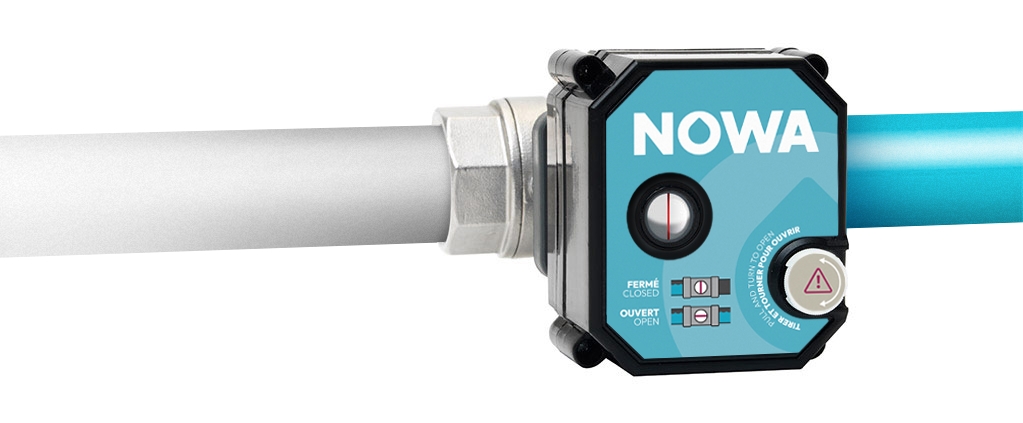
Moreover, these sensors can come equipped with features like temperature monitoring or automatic shut-off valves for appliances like washing machines. By understanding how these devices work, you can better appreciate the layers of protection they provide for your home.
Types of Water Sensors
There are various types of water sensors available on the market today. From stand-alone units that sound an alarm when they detect water, to smart sensors that integrate with home automation systems, understanding the options can help you choose the best fit for your needs.
For instance, standalone sensors are excellent for quick installations and immediate alerts, while connected smart sensors often offer more advanced features, including historical data tracking. This data can help you identify patterns and proactively manage potential risks.
Another popular type is the wired system, which can be installed in larger homes. These systems have sensors placed throughout the property, all linked to a central alarm panel. This setup is ideal for ensuring every nook and cranny of your home is monitored for leaks and moisture.
Where to Install Water Sensors
Installing water sensors in key areas of your home can maximize their effectiveness. Common locations include basements, laundry rooms, under sinks, and near water heaters. Ensuring they are placed where water damage is most likely can save you from costly repairs.
However, it’s not just about placing them in these common areas. Think creatively! How about under your refrigerator or near dishwashers? Anywhere there’s plumbing or potential for water exposure should be considered a prime spot for a sensor.
Additionally, consider the elevation of the sensor. For example, if you live in a flood-prone area, placing the sensors higher up can help detect groundwater before it infiltrates your home. Each small step in strategic placement can make a significant difference in your overall safety.
Maintaining Your Water Sensors
To ensure your water sensors remain effective, regular maintenance is key. This includes testing the sensors periodically, cleaning any debris that may interfere with their operation, and replacing batteries as needed to keep them functioning optimally.
Most water sensors will have a test button. It’s a good habit to press this button monthly to verify that the alarm functions correctly. It takes just a few moments and can save you from a future crisis.
Don’t forget about connectivity checks if you have smart sensors. Ensure that they’re communicating with your home network. If the sensor is too far from the router, it might miss crucial alerts. A strategic approach to placement can aid in keeping them connected and alert.
Benefits of Using Water Sensors
The benefits of installing water sensors go beyond just preventing damage. They can provide peace of mind, reduce insurance costs, and even increase your home’s value. Let’s take a closer look at how these devices can enhance your living environment.
Imagine being able to sleep through the night without worrying about potential leaks under the sink or a burst pipe in the basement. Water sensors afford this peace, allowing you to enjoy your home to the fullest.
Moreover, many insurance companies recognize the value of proactive measures like installing water sensors. This could potentially lead to discounts on your home insurance premiums, offering yet another financial incentive to consider.
In addition to these financial aspects, consider the overall satisfaction of knowing that your home is protected. Water sensors represent a blend of technology and practicality, making them a worthwhile addition to any modern home.
Safeguarding Your Home with Water Sensors
In conclusion, water sensors are an essential investment for any homeowner looking to protect their property from water damage. By understanding how these devices work and the various types available, you can make informed choices that enhance your home safety. Remember, a little preparation can go a long way in safeguarding your home and peace of mind.