In the world of Vancouver property management, there’s one phrase that keeps Strata Councils up at night: "We have a leak on the 12th floor."
It’s never just a little water. In a high-rise, a single burst pipe can migrate through floor slabs, track along electrical conduits, and end up causing $4 million in damages before the concierge even finds the right shutoff valve. We’ve seen it happen right here in the Lower Mainland: displacing 60 residents for months and leaving the building virtually uninsurable.
Water damage is 12 times more likely to occur than fire damage, yet many buildings still treat it as an afterthought. If you’re managing a multi-dwelling unit (MDU) or a commercial tower in Burnaby, Richmond, or Coquitlam, you might be making critical errors in your protection strategy.
Here are the 7 most common mistakes we see with high-rise water leak detection and exactly how to fix them to protect your assets and reduce your insurance liability.
1. Treating Water Risk as "Low Priority" Compared to Fire
Most buildings have robust, monitored fire alarm systems because they are mandated by code. However, water damage accounts for nearly 48% of all insurance claims in Canada. While fire is a safety priority, water is your primary financial risk.
The Fix: Elevate your water mitigation plan to the same level as your fire safety protocol. Implementing a smart water leak detector system isn’t just a "nice-to-have" anymore; it’s a fundamental requirement for maintaining building value and insurability in today’s market.
2. Relying on Residents to "Spot" the Leak
If your detection plan is "wait for the unit owner to call the front desk," you’ve already lost. In a high-rise, a leak behind a dishwasher or inside a mechanical riser can run for days before it's visible on a ceiling three floors down. By then, the structural damage is done.
The Fix: Use 24/7 IoT monitoring. One Vancouver high-rise that partnered with Leak Logic Canada prevented 14 separate water issues in just 60 days: including overflowing dishwashers and leaking heat exchangers: simply because the system caught the water the second it hit the floor, long before a human could see it.
3. Using Sensors That Cry Wolf (Humidity vs. Actual Water)
Many cheap, off-the-shelf sensors use generic probes that trigger alerts based on high humidity. This leads to "alarm fatigue" for property managers. After the third false alarm caused by a steamy shower, most people start ignoring the notifications or, worse, unplug the system entirely.
The Fix: Invest in professional-grade hardware like the Nowa system. Our sensors feature gold-plated probes that prevent oxidation and are specifically engineered to detect actual water, not humidity. With a 0.015-inch leak sensitivity, they catch the first few drops before they become a flood.
4. Alerts Without Action: The "Notification Only" Trap
Getting a text message at 3:00 AM saying there is a leak in Suite 2204 is helpful: but only if you have someone on-site who can get into that suite and find the valve immediately. If your building is unstaffed overnight, that alert is just a front-row seat to a disaster.
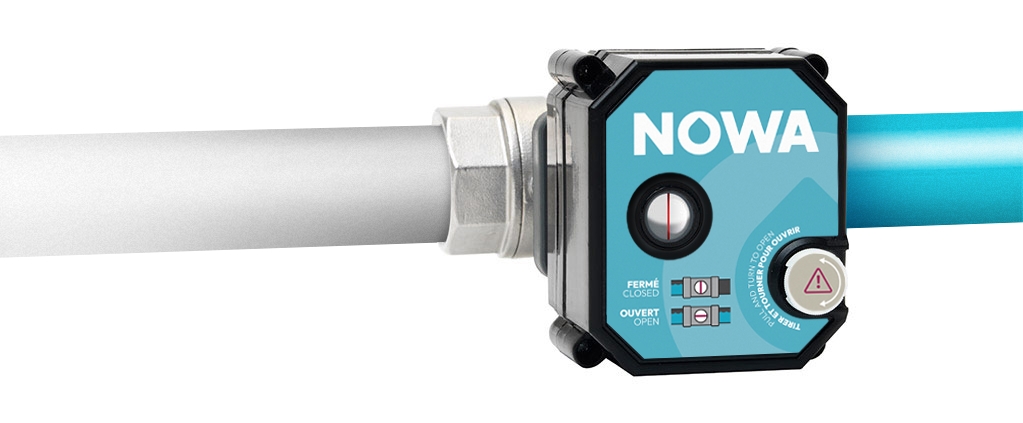
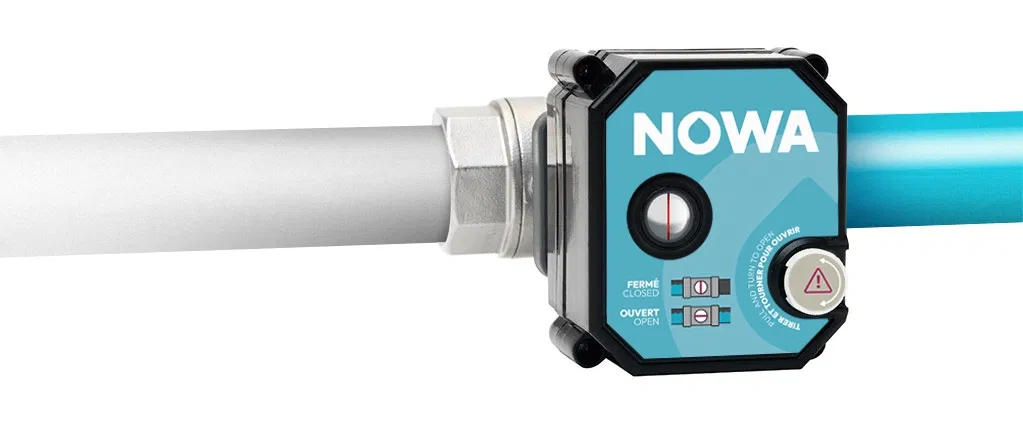
The Fix: Install an automatic water shut off valve. When our sensors detect water, they send a signal to the master control panel, which shuts the main water line (or specific zone valve) in seconds. It stops the leak at the source before you even finish reading the alert on your phone.
5. Ignoring the "Silent Killer": Frozen Pipes
In the Lower Mainland, we don’t get extreme cold often, but when we do, our buildings aren't always prepared. A burst pipe due to freezing in a parkade or a mechanical room can release thousands of gallons of water in minutes.
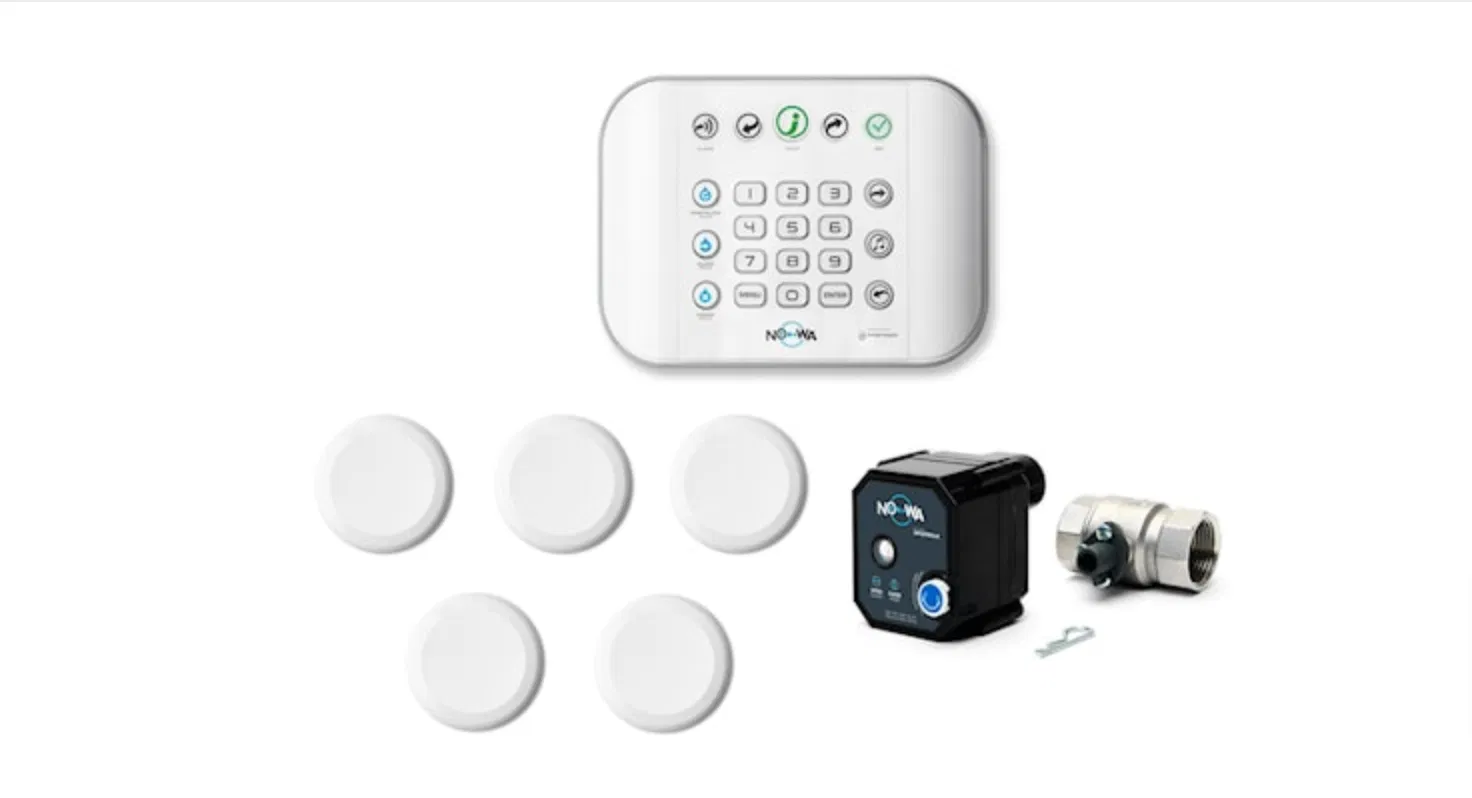
The Fix: Utilize sensors with pinpoint freeze detection. Our Nowa sensors include a built-in warning that triggers when temperatures drop below 5°C. This gives your facilities team time to add heat or drain lines before the pipe actually bursts.
6. Forgetting Vacant Units and Common Areas
Property managers often focus on resident suites but forget the highest-risk areas: the boiler room, the fitness center bathrooms, and vacant units waiting for new tenants. Leaks in these areas often go the longest without being detected because there’s no one there to hear the dripping.
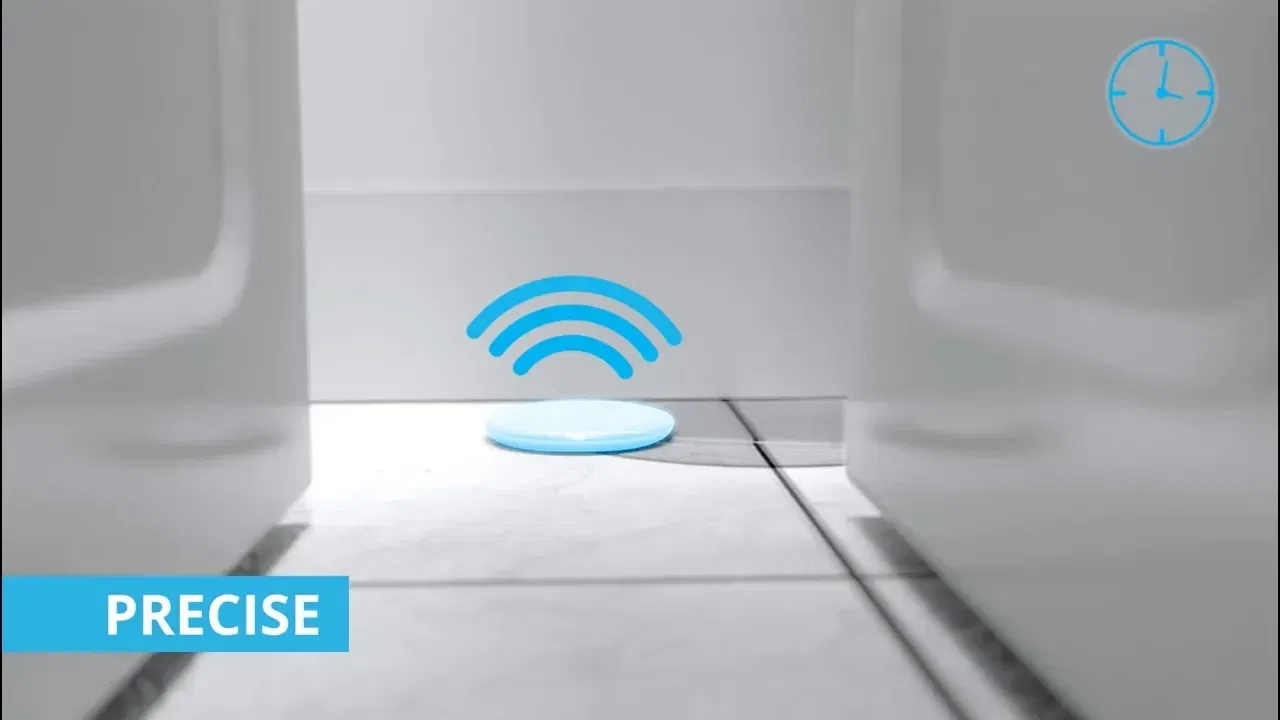
The Fix: Ensure your water leak detection system covers 100% of the building's high-risk zones. Our wireless sensors are perfect for retrofitting existing buildings because they require no drilling or complex wiring, making it easy to protect every mechanical room and common area.
7. Leaving Insurance Savings on the Table
Many Strata Councils view leak detection as a pure cost. They fail to realize that insurance companies are actively looking for buildings with these systems in place. Without a certified system, you face rising premiums and deductibles that can reach $100,000 or more per incident.
The Fix: Work with a provider that offers insurance-recognized solutions. Leak Logic Canada provides professional installation and 24/7 monitoring that can help lower your premiums, reduce your deductibles, and, most importantly, keep your building insurable.
Protect Your Vancouver Property Today
Mistakes in water management are expensive, but they are also preventable. At Leak Logic Canada, we specialize in high-rise and MDU water protection throughout Vancouver, Burnaby, Surrey, and the entire Lower Mainland. We don't just sell sensors; we provide peace of mind for property managers and asset protection for owners.
Don't wait for the next "12th-floor emergency" to rethink your strategy.
Looking for the best high-rise water leak detection near me in Vancouver?
Call Leak Logic Canada today at (604) 555-0123 (or visit our website) for a professional risk assessment. Let us help you safeguard your building with the advanced Nowa protection system.