Imagine it’s 2:00 AM on a rainy Tuesday in Vancouver. You’re a property manager or a strata council member, and your phone rings. It’s not a social call. A pipe has burst on the 18th floor of your high-rise, and water is currently cascading down the elevator shaft, soaking through the carpets of twelve different units.
By the time the emergency plumber arrives to manually shut off the main valve, the damage is already in the six-figure range. Your insurance deductible? It just jumped from $25,000 to $250,000.
This isn't a horror story; for many buildings in the Lower Mainland, it’s a reality. As insurance premiums and deductibles skyrocket across BC, strata water leak prevention has shifted from a "luxury upgrade" to an essential financial safeguard. But with so many systems on the market, how do you choose the right one for your building?
In this guide, we’ll compare the different tiers of leak protection and show you exactly what to look for to protect your assets and your budget.
The Vancouver Context: Why "Good Enough" Isn't Enough
Vancouver's strata market is unique. We have a high density of aging high-rise infrastructure and a local insurance market that has become incredibly sensitive to water damage claims. In fact, many insurers now require a certified leak detection system before they will even consider lowering a building's deductible.
When evaluating a strata water leak prevention system, you aren't just buying hardware; you’re buying a risk-reduction strategy.

Comparing the Three Tiers of Leak Prevention
1. Passive Systems (The "Wait and See" Approach)
Passive systems are essentially sophisticated smoke detectors for water. They sit under a sink or near a water heater and sound a loud alarm when they get wet.
- Pros: Very inexpensive; no professional installation required.
- Cons: They do nothing to stop the water. If no one is home to hear the alarm, the water keeps flowing.
- Verdict: Entirely insufficient for multi-unit buildings where a leak in one unit quickly becomes a problem for ten others.
2. Standard WiFi Consumer Systems
These are the smart sensors you might find at a big-box hardware store. They connect to your building's WiFi and send a notification to your phone.
- Pros: App connectivity; relatively low cost.
- Cons: WiFi is notoriously unreliable in high-rise concrete structures. If the router goes down or the signal can't penetrate the walls of a mechanical room, the system fails. Most consumer systems also lack the heavy-duty valves needed for commercial-grade plumbing.
- Verdict: Better for single-family homes, but risky for high-stakes strata environments.
3. Professional IoT Systems (The Gold Standard)
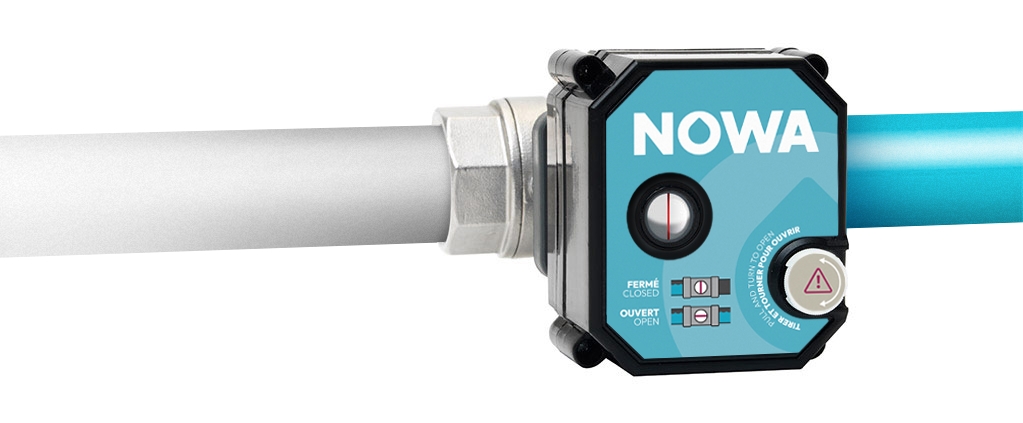
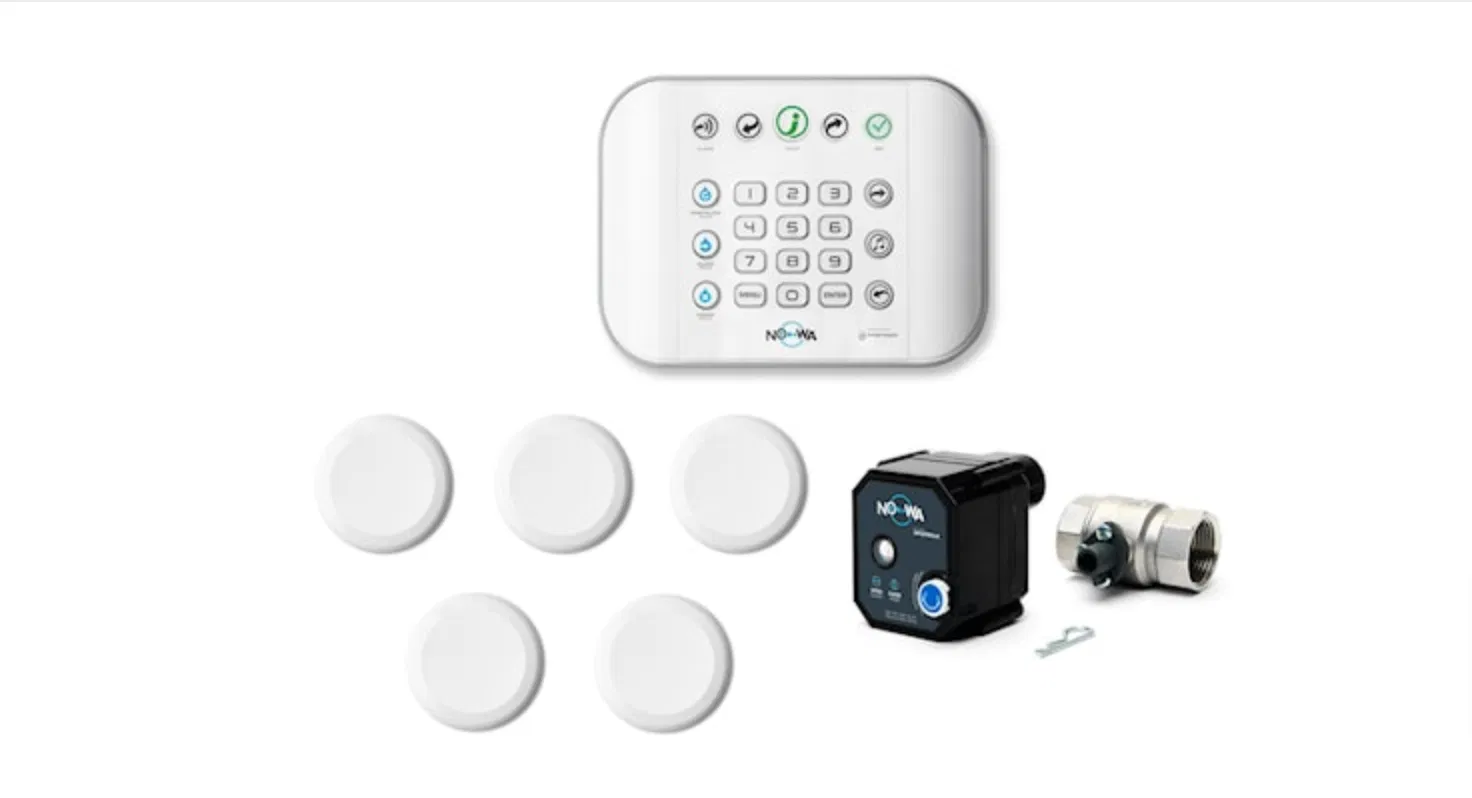
This is where Leak Logic Canada and our Nowa Leak Protection Technology operate. These systems use dedicated LTE or LoRaWAN connectivity, meaning they don't rely on your building’s patchy WiFi. They combine ultra-sensitive sensors with heavy-duty, automated shutoff valves.
- Pros: 24/7 monitoring, instant automatic shutoff, insurance-approved, and incredibly reliable.
- Cons: Higher upfront investment than a DIY sensor.
- Verdict: The only real choice for property managers looking to reduce insurance claims and protect building assets.
What Makes a System "The Best"? Key Technical Benchmarks
When comparing systems for your Vancouver property, look for these specific technical USPs. Anything less leaves your building vulnerable.
0.015-Inch Leak Sensitivity
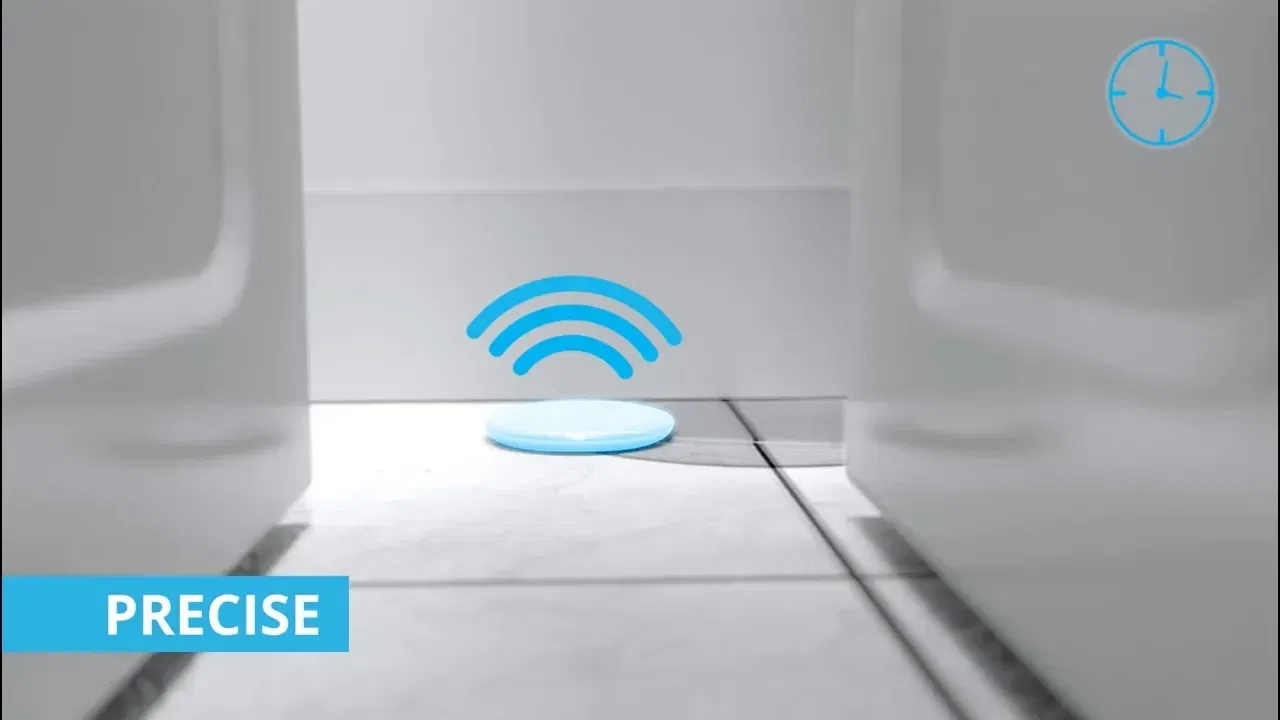
Most systems only trigger when a sensor is sitting in a pool of water. By then, it’s often too late. Our Nowa sensors are calibrated to detect moisture as shallow as 0.015 inches. This means the system catches the very first "weeping" of a pipe before it becomes a full-blown burst.
Gold-Plated Sensor Probes
In the humid environment of a laundry room or under a kitchen sink, standard metal probes can oxidize over time. When they oxidize, they lose their ability to conduct electricity and fail to detect water. We use gold-plated probes because gold does not oxidize, ensuring your sensors remain 100% reliable for decades.
5°C Pinpoint Freeze Detection
Vancouver winters can be unpredictable. A sudden cold snap can lead to frozen pipes in parkades or exterior-facing walls. Our systems include 5°C freeze alerts, warning you the moment temperatures drop to a dangerous level so you can take action before a pipe bursts. You can learn more about how this works in our guide to freeze sensor innovations.
Is it a "Real" Shutoff Valve?
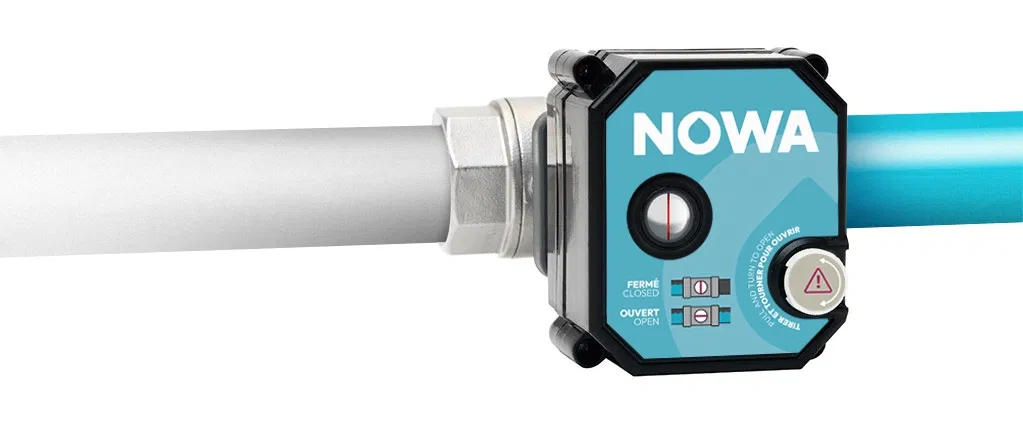
The most critical component of any strata water leak prevention strategy is the valve. If a sensor detects water but can't stop it, you're still looking at an insurance claim.
A professional-grade automated shutoff valve should:
- Close Instantly: The moment a sensor detects moisture, the valve should close the main water line in seconds.
- Offer Manual Override: In case of a power outage or maintenance, you need to be able to operate the valve manually.
- Include Self-Testing: Our valves perform a "weekly exercise" to ensure they never seize up from mineral buildup in the water.
The ROI: Why Strata Councils Love Professional Systems
Beyond the "peace of mind" factor, there is a hard financial case for installing a professional system in your building.
Deductible Reduction
We have seen Vancouver buildings successfully negotiate their deductibles down from $250,000 to $50,000 after installing a comprehensive Nowa system. In many cases, the system pays for itself within 24 to 36 months through insurance premium savings alone.
Protecting the Residents
For condo owners, a major water claim often leads to a "loss assessment" where they are forced to pay thousands of dollars out of pocket to cover the building's deductible. By preventing the leak, you are directly protecting the personal finances of every co-owner in the building.
Frequently Asked Questions for Strata Councils
Q: Does our building need a total retrofit to install this?
No. One of the best things about the Nowa technology we use is that the sensors are wireless and have a 10-year battery life. This means no drilling, no messy cables, and a much faster installation process for your residents.
Q: How do we monitor the system?
Property managers can access a centralized dashboard to see the status of every sensor in the building. If a sensor is triggered or a battery is low, you get a real-time alert via email, text, or the app. Understanding how these sensors communicate is key to a successful implementation.
Q: Is the system "smart" enough to tell the difference between humidity and a leak?
Yes. Our sensors are designed to detect actual liquid water, not just a humid day in Richmond or Burnaby. This drastically reduces false alarms, which are the bane of every property manager's existence.
Conclusion: Making the Right Choice for Your Building
Choosing a strata water leak prevention system is about more than just checking a box for your insurance broker. It’s about choosing a partner that understands the specific challenges of Vancouver’s multi-dwelling units: from the high-pressure plumbing of a downtown high-rise to the freezing risks of a North Shore parkade.
Don't wait for a $500,000 insurance claim to prove that your current "wait and see" strategy isn't working.
Protect Your Property Today
Looking for the best strata water leak prevention near me in the Lower Mainland? Leak Logic Canada is the local expert in sales, installation, and 24/7 monitoring for high-rise buildings across Vancouver, Burnaby, Richmond, and Surrey.
Whether you are a property manager looking to safeguard a portfolio or a Strata Council member wanting to lower your building's deductibles, we are here to help. Our advanced IoT solutions provide the 0.015-inch sensitivity and automated shutoff you need for total peace of mind.
Contact Leak Logic Canada today for a free building assessment and let's stop the next leak before it starts.