
If you’re a property manager or a strata council member in Vancouver or the Lower Mainland, you’ve likely had "The Call." You know the one: the 2:00 AM panic from a resident on the 4th floor reporting a ceiling that’s turned into a waterfall, while the source is actually a burst pipe on the 12th.
In a high-rise environment, water doesn't just stay in one place. It travels, destroys, and leaves a trail of massive insurance claims and angry residents in its wake. At Leak Logic Canada, we see it every day: smart people making small oversights that lead to massive disasters.
Managing a multi-unit building is about risk mitigation. If your strategy for water damage is "wait and see," you’re essentially playing a high-stakes game of roulette with your building’s assets. Let's look at the seven most common mistakes strata councils and managers make and, more importantly, how to fix them before the next rainy Vancouver season hits.
1. Relying on "Reactive" Instead of Proactive Maintenance
The biggest mistake is treating water damage like a broken lightbulb. You don't wait for a high-rise pipe to burst before you think about protection. Many strata councils focus solely on visible repairs, ignoring the silent threats behind the walls or under the sinks.
In a high-density city like Vancouver, aging infrastructure is a ticking time bomb. Relying on residents to report a leak is a recipe for disaster because, by the time they see it, the damage is already five figures deep.
The Fix: Shift the mindset from "repair" to "prevention." Implementing a high rise water leak detection strategy involves regular plumbing audits and, crucially, the installation of a smart water leak detector in high-risk zones like mechanical rooms and individual units.
2. Ignoring the "Golden 10" Life Cycle of Flexi-Hoses
Did you know that just under 70% of strata insurance claims are related to water damage? A huge chunk of those come from one tiny, overlooked component: the braided stainless steel flexi-hose. These are found under almost every sink and behind every toilet in your building.
They look sturdy, but they have a maximum lifespan of about 10 years: often less if they were installed poorly. When they fail, they don't just drip; they burst, sending a full-pressure stream of water into the unit.
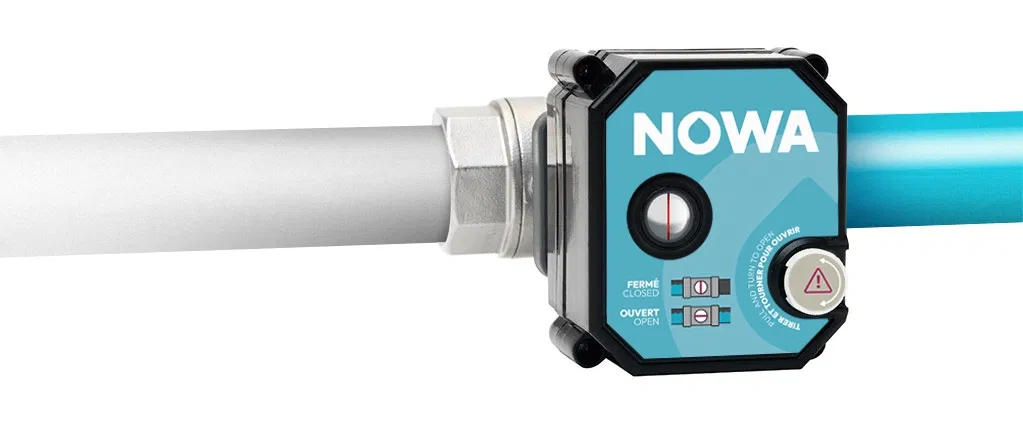
The Fix: Conduct a building-wide audit of these hoses. If your building is approaching the decade mark, it’s time for a proactive replacement. Better yet, pair these high-risk areas with an automatic water shut off valve that can kill the water supply the second a leak is detected.
3. Thinking a "Beeping" Sensor is Enough
We see this often in Burnaby and Richmond stratas: they buy cheap, battery-operated pucks from a big-box store and call it a day. These sensors might beep if they get wet, but if no one is home to hear them, or if the resident is asleep, that beep is just a soundtrack to a flood.
In a multi-unit residential building, a local alarm isn't enough. You need a system that communicates.
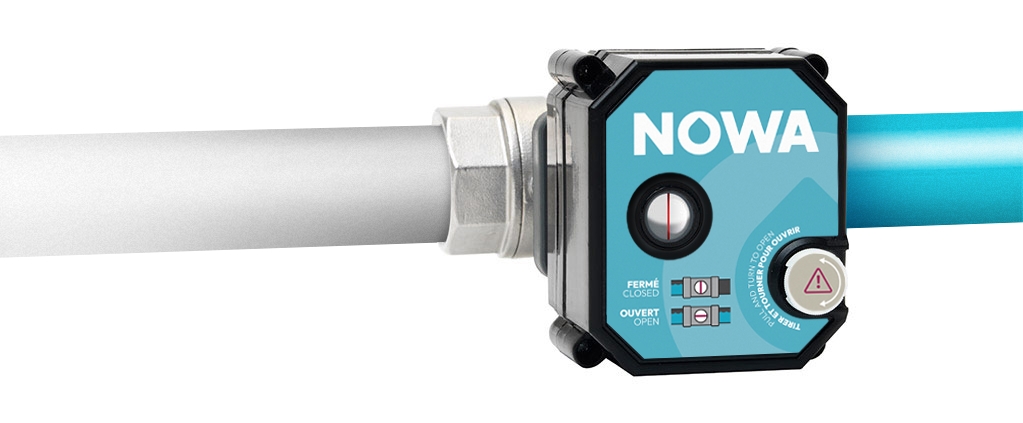
The Fix: Invest in a professional water leak detection system that offers 24/7 remote monitoring. Systems like Nowa, provided by Leak Logic Canada, use gold-plated probes with 0.015-inch leak sensitivity. Most importantly, they don't just beep; they trigger an automatic water shut off valve and send an instant alert to the property manager’s phone.
4. Failing to Leverage Insurance Incentives
Strata insurance deductibles in British Columbia have skyrocketed in recent years. We’ve seen deductibles jump from $10,000 to $100,000 or even $250,000 for water damage. If your strata isn't using modern leak detection, you're likely paying higher premiums than necessary.

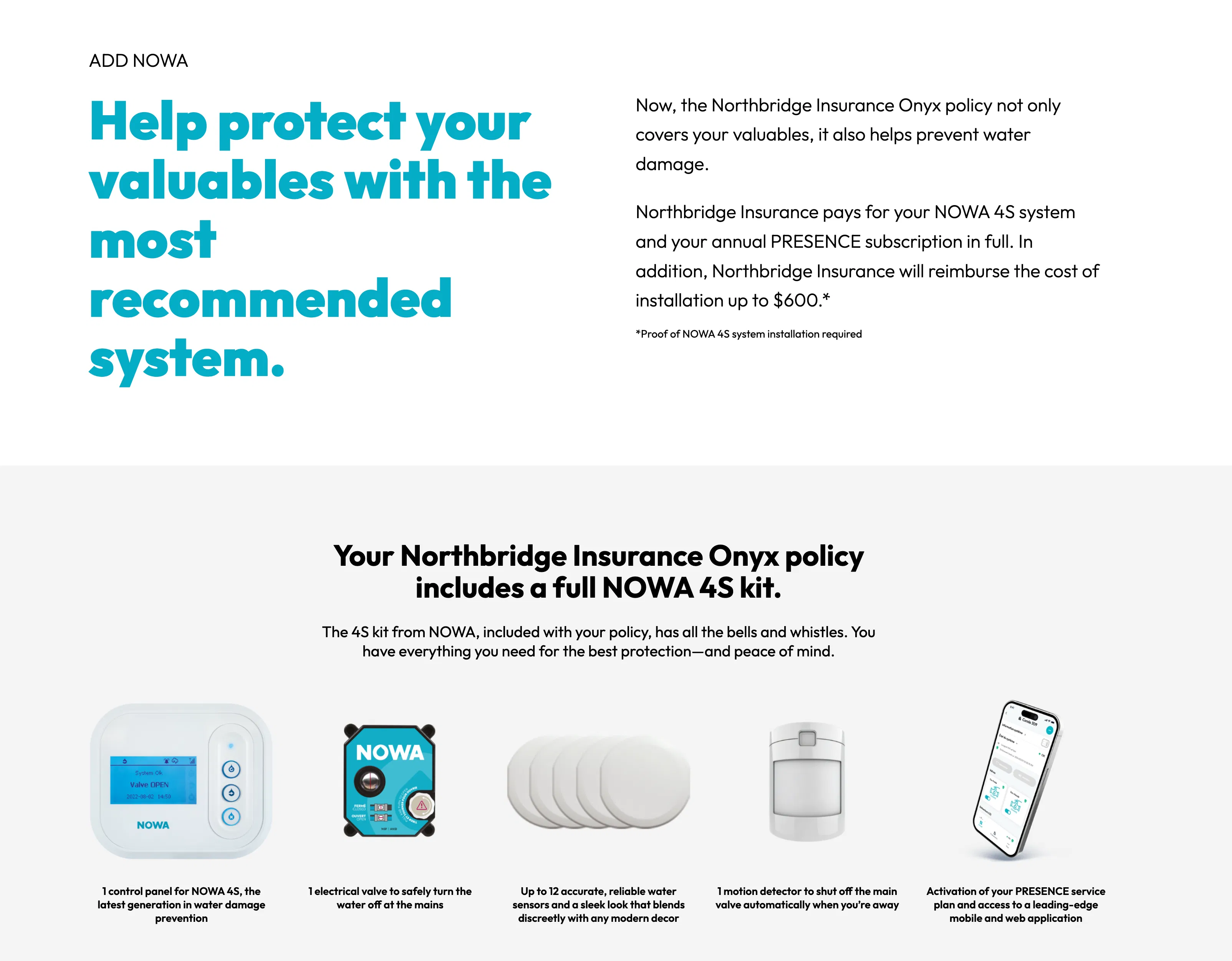
Many major Canadian insurers, including Northbridge, Intact, and Aviva, recognize the value of professional-grade systems. Some even offer specific policies that cover the cost of the system because they know it's cheaper than paying out a flood claim. You can read more about advanced leak detection and insurance here.
The Fix: Talk to your broker about the "Nowa 4S" kit. These systems are PREVCAN certified, meaning they meet the strict requirements of insurance companies. Installing these can lead to lower deductibles and protected insurability for your entire portfolio.
5. Forgetting About "Common Area" Vulnerabilities
While unit-level leaks are common, common area leaks are catastrophic. Think about the pump room, the boiler room, or the rooftop cooling towers. If a pipe bursts in a mechanical room at 11:00 PM on a Friday, and it’s not discovered until Monday morning, the structural damage can be irreparable.
The Fix: Deploy specialized sensors in every mechanical room. These areas are the "heart" of your building. A failure here affects everyone. Ensure your building sensors are integrated into a centralized management portal so the facility manager has eyes on the entire property at once.
6. Overlooking the Risk of Frozen Pipes
In the Lower Mainland, we don't get the deep freezes of the Prairies, but our "shoulder seasons" can still see temperatures drop enough to cause pipes in exterior walls or unheated parkades to freeze and crack. Most leak sensors only detect water. By the time they detect water from a frozen pipe, the pipe has already burst.
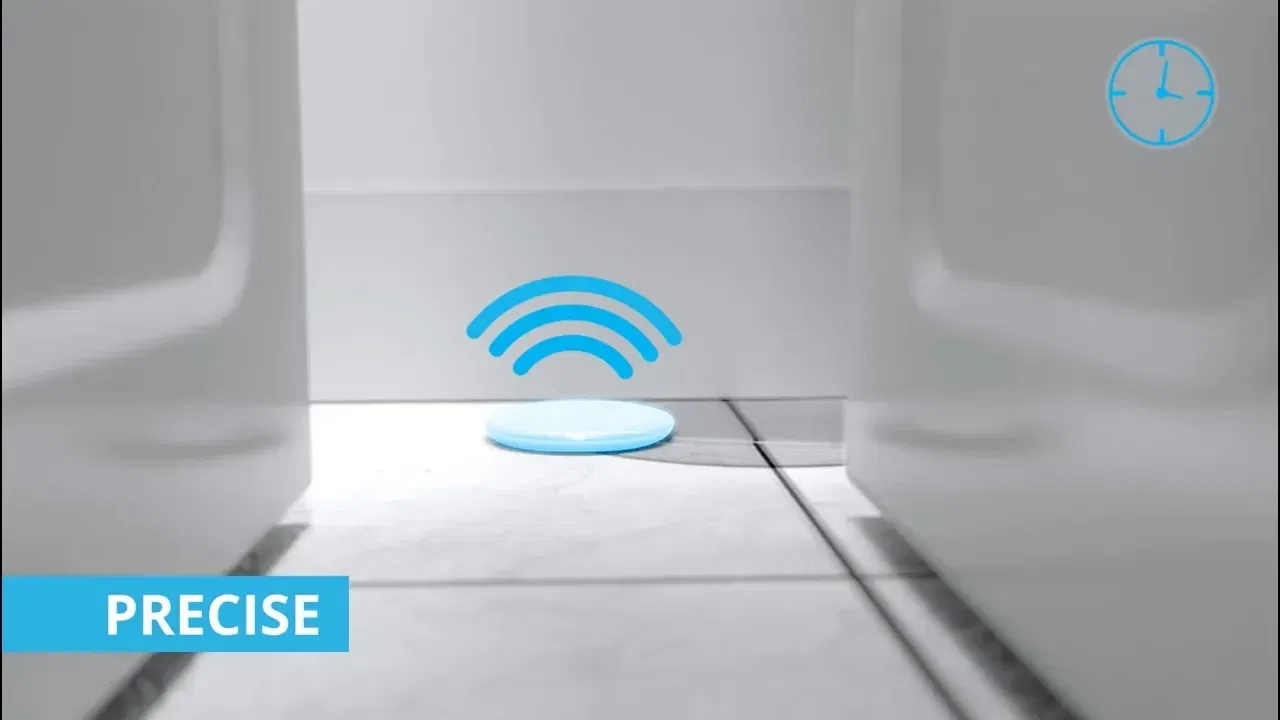
The Fix: Use sensors equipped with freeze alerts. Leak Logic’s systems provide 5°C freeze alerts. This gives you a "buffer zone" to get a technician on-site or turn up the heat before the water turns to ice and expands. It’s a simple feature that saves thousands in condo water damage strategies.
7. Choosing DIY Hardware for a Commercial Asset
Imagine a strata council trying to save $500 by installing a residential-grade "smart" plug-in sensor from a tech store. These devices often rely on the resident's home Wi-Fi. If the resident changes their Wi-Fi password or the router goes down, your building's protection is gone.
Furthermore, DIY sensors often lack the sensitivity required to catch a slow drip before it becomes a mold problem.
The Fix: For commercial and multi-unit buildings, only LTE-connected, professional-grade hardware will do. Our systems don't require cables, routers, or resident Wi-Fi. They operate on an independent network with a 10-year battery life, ensuring the system works even during a power outage or a network failure.
The Leak Logic Advantage: Why Precision Matters
At Leak Logic Canada, we don't just sell "gadgets." We provide asset protection. Our technical USPs are designed specifically for the challenges of B2B property management:
- 0.015-inch Sensitivity: We catch the "micro-leaks" that other sensors miss.
- Gold-Plated Probes: No corrosion, no false alarms, just reliable detection.
- Automatic Water Shut-Off: The valve closes in seconds, stopping the flow at the source.
- Centralized Portal: Manage 10 units or 1,000 units from a single dashboard.
Protecting Your Vancouver Portfolio
Whether you are managing a heritage building in Gastown, a modern glass tower in Yaletown, or a sprawling strata in Coquitlam, the risks are the same. Water is the leading cause of property loss in Canada, but it is also the most preventable.
Don't wait for a "waterfall in the lobby" to realize your prevention strategy needs an upgrade. Moving from a manual, reactive approach to an automated, monitored system isn't just a building upgrade: it’s a commitment to the long-term health of your property and the peace of mind of your residents.
For more insights on protecting your investment, check out our tips on preventing condo water damage and stay ahead of the curve.
Take Control of Your Building’s Future
Are you ready to stop worrying about after-hours emergency calls? Protect your building, reduce your insurance liability, and give your strata council the peace of mind they deserve. Leak Logic Canada is the trusted partner for smart water leak detection in Vancouver and across the Lower Mainland.
Contact Leak Logic Canada today for a professional consultation and find the best water leak detection system near you.
Call us at [Insert Phone Number] or visit our website to secure your property now!