
Imagine it’s 2:00 AM on a Saturday. You’re the facilities manager for a high-rise in downtown Vancouver, and a pipe just burst on the 14th floor. In many buildings, that water would run for hours, soaking through floorboards, damaging elevators, and racking up a six-figure insurance claim before anyone even noticed.
If you have a Building Management System (BMS), you’re already ahead of the curve. You monitor HVAC, lighting, and security from a central hub. But is water, the single biggest cause of property damage in BC, integrated into that system? More importantly, will that integration actually work when the building’s Wi-Fi goes down or if the mechanical room is a concrete bunker with zero signal?
At Leak Logic Canada, we specialize in bridging that gap. Integrating smart leak detection with your BMS isn't just about getting a notification on your phone; it’s about creating a failsafe, automated shield for your entire asset. Here is how you can achieve total protection, even in the "dead zones" of your building.
Why should you integrate leak detection into your Building Management System?
For property managers and strata councils in the Lower Mainland, the "app for everything" era has become a bit of a burden. You don’t want your team monitoring ten different dashboards. Integration allows your BMS to become the "single source of truth."
When you link a system like Nowa into your existing BMS, you gain:
- Centralized Alarms: Water leak alerts appear on the same screens your staff already monitors.
- Automated Sequences: If a leak is detected, the BMS can automatically trigger secondary actions, like shutting down specific HVAC units or alerting onsite security via their existing consoles.
- Reduced Liability: Insurance providers in BC are increasingly looking for proactive risk mitigation. Showing that your leak detection is hardwired into your building's "brain" is a massive checkmark for insurability.

How do you connect leak detection if the internet connection is unreliable?
This is the number one concern we hear from facilities managers in Vancouver. High-rise mechanical rooms and parkades are notorious for being "dead zones." If your leak detection system relies solely on the building’s Wi-Fi, you don't have a security system, you have a fair-weather friend.
The solution lies in redundant communication and local protocols. Here is how we ensure the signal always gets through:
1. Hardwired Integration (The Gold Standard)
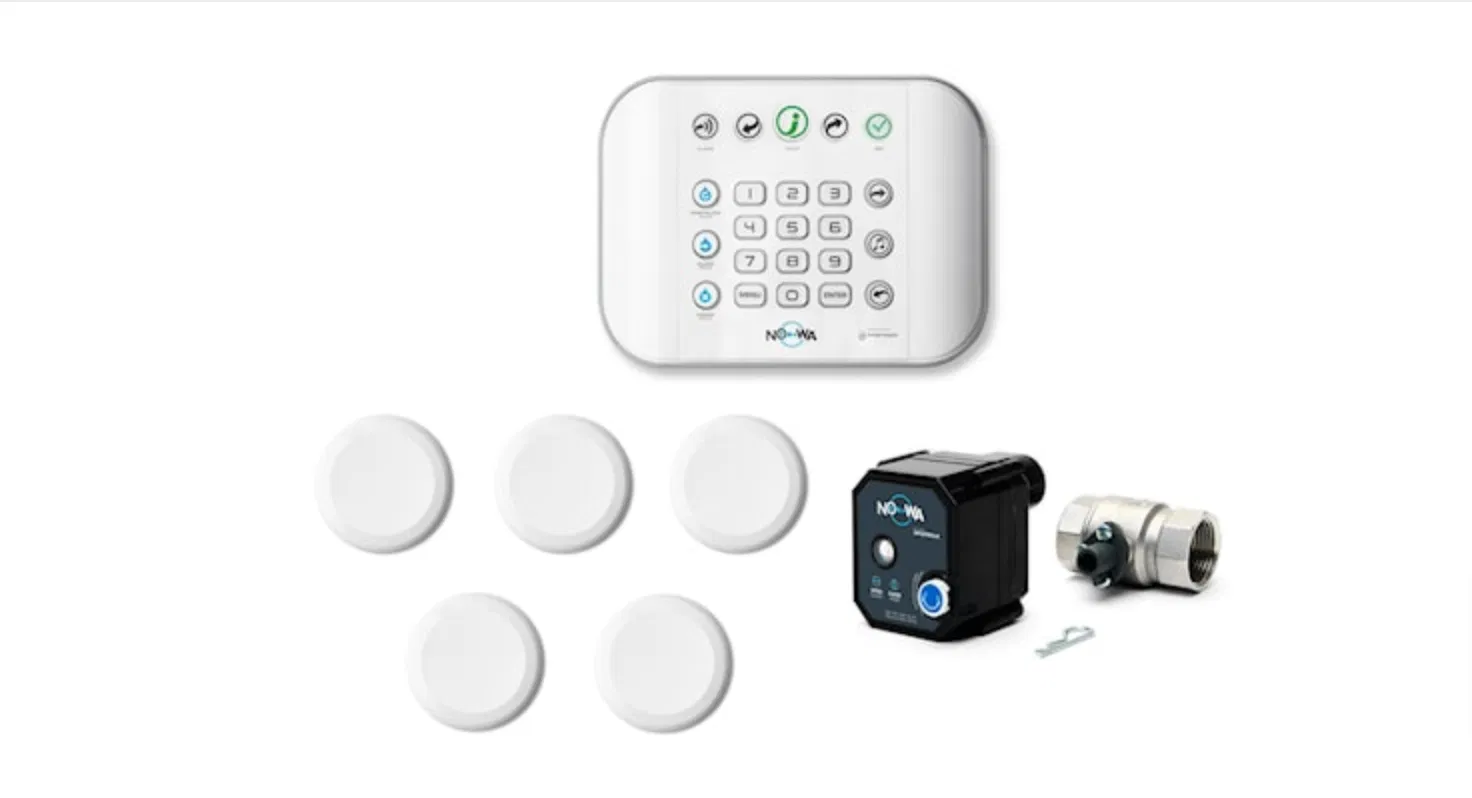
For the highest level of reliability, we use volt-free contact outputs (dry contacts). This is a physical, hardwired connection between the Nowa control panel and your BMS. It doesn't care about Wi-Fi, passwords, or cloud outages. If the sensor detects water, a physical relay flips, and your BMS knows instantly. This is the most robust way to ensure a smart water leak detector actually does its job.
2. Protocol-Based Communication (BACnet & Modbus)
Most modern commercial buildings in BC run on protocols like BACnet or Modbus. These allow for a "conversation" between different pieces of hardware. By using a gateway, the leak detection system can feed detailed data, not just "leak/no leak," but specific sensor locations and valve statuses, directly into the BMS over the local area network (LAN). This works entirely behind the building's firewall and doesn't require an external internet connection to function.
3. LTE and Mesh Networking
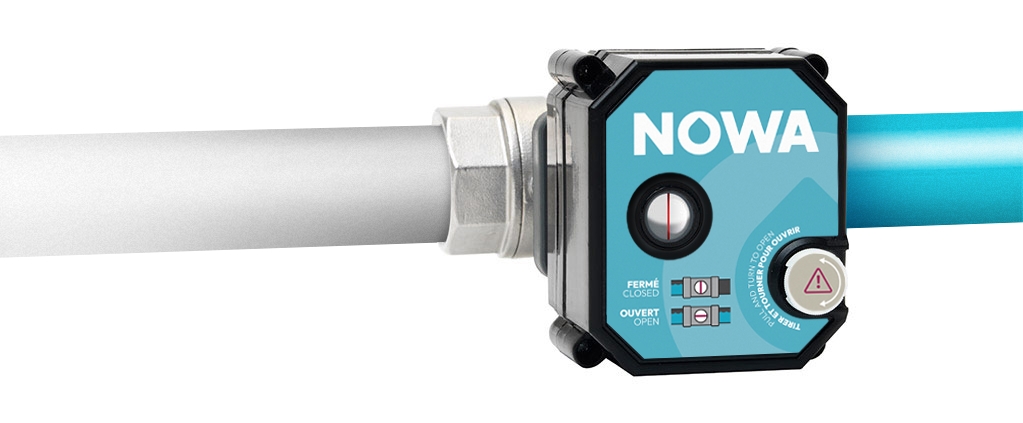
When we can’t run wires, we look to the Nowa 4S system’s built-in LTE capabilities. Unlike systems that need a router, Nowa uses a dedicated cellular connection. Furthermore, the sensors themselves communicate via a proprietary mesh network. This means they "talk" to each other to find the fastest path back to the control panel, punching through concrete and steel far better than standard Wi-Fi ever could.
What happens when the power or internet goes out completely?
A truly "protective" system must be autonomous. If a water main breaks during a power outage or a localized internet failure, your building shouldn't be left vulnerable.
Our systems are designed for Offline Operation Mode. The core logic, detecting water and closing the valve, happens locally at the controller level.
- Step 1: The sensor (with its 10-year battery life) detects moisture as thin as 0.015 inches.
- Step 2: It sends a wireless signal to the master controller.
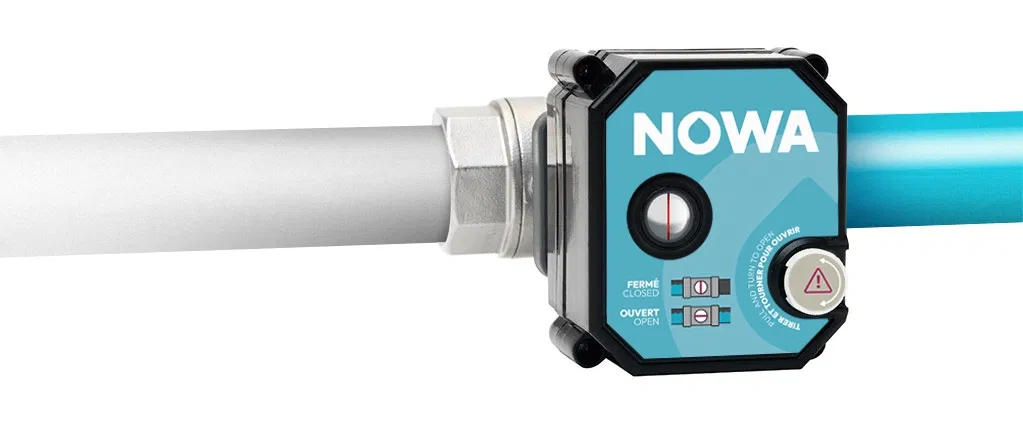
- Step 3: The controller immediately triggers the electric shut-off valve.
- Step 4: The controller logs the event and, via the dry contact or BACnet integration, notifies the BMS.
All of this happens in seconds, without ever needing to "ping" a cloud server. You get the protection of automated shut-off regardless of the building's connectivity status. This is a critical distinction when comparing professional-grade systems to consumer-grade "smart home" gadgets that stop working the moment the router blinks.
The technical edge: Why precision matters for facility managers
When you are managing a multi-million dollar asset in Burnaby or Richmond, "good enough" isn't an option. You need hardware that won't give you false alarms but will catch the smallest pinhole leak before it becomes a flood.
At Leak Logic Canada, our technical USPs are designed specifically for the rigours of commercial and strata environments:
- 0.015-Inch Sensitivity: Our sensors are tuned to detect a damp floor, not just a puddle. This allows for early detection of leaking pipes behind appliances or in mechanical closets.
- Gold-Plated Probes: Standard copper probes can corrode over time, especially in humid environments, leading to sensor failure. Gold doesn't corrode, ensuring your sensors remain functional for a decade or more.
- 5°C Freeze Alerts: In the Lower Mainland, a sudden cold snap can lead to burst pipes in unheated parkades or near exterior walls. Our system sends a high-priority alert to your BMS the moment temperatures drop to 5°C, giving your team time to intervene before the ice does the damage.
Is it difficult to retrofit these systems into older Vancouver buildings?
Not at all. In fact, retrofitting and upgrading is where we do some of our best work. Many older buildings in Vancouver and Coquitlam have aging infrastructure but limited wiring for new tech.
Because Nowa systems use a combination of wireless mesh sensors and LTE controllers, we can install a comprehensive protection suite without tearing open walls or drilling through every floor. We work alongside your existing BMS providers to ensure the integration is seamless, providing your staff with a unified interface that enhances their efficiency rather than adding to their workload.
How does this integration impact your insurance and bottom line?
Strata corporations across BC are currently facing a crisis of rising deductibles. It is not uncommon to see water damage deductibles jump from $25,000 to $250,000 after just one or two claims.
Integrating smart leak detection with your BMS is a powerful negotiating tool with insurance underwriters. It moves your building from "reactive" to "proactive." When you can prove that every drop of water is monitored and that the building can automatically isolate a leak, even during an internet outage, you significantly lower your risk profile.
Moreover, by preventing even one major flood, the system pays for itself multiple times over. Think about the cost of alternative accommodations for residents, the repair of common areas, and the administrative nightmare of a massive claim. Prevention is always cheaper than restoration.
Local Expertise for Vancouver Building Managers
Managing a building in the Lower Mainland comes with unique challenges, from our specific climate to the complex world of BC Strata law. You need a partner who understands the local landscape and the technical requirements of high-density housing and commercial real estate.
Whether you are overseeing a luxury tower in Coal Harbour or a sprawling commercial complex in Surrey, Leak Logic Canada is here to help you safeguard your assets. We don’t just sell hardware; we provide a complete risk-reduction strategy tailored to your building’s specific needs and existing systems.
Frequently Asked Questions (FAQ)
Does the system require a monthly subscription?
While some cloud-based features may involve a service fee for 24/7 monitoring and LTE connectivity, the core local integration with your BMS (via dry contacts or BACnet) continues to function regardless of subscription status.
Can we monitor individual units in a condo building?
Yes. We can set up a hierarchy where individual residents get alerts for their units, while the building manager receives a high-level alert on the BMS if a shut-off valve is triggered anywhere in the building.
How often do the sensors need to be tested?
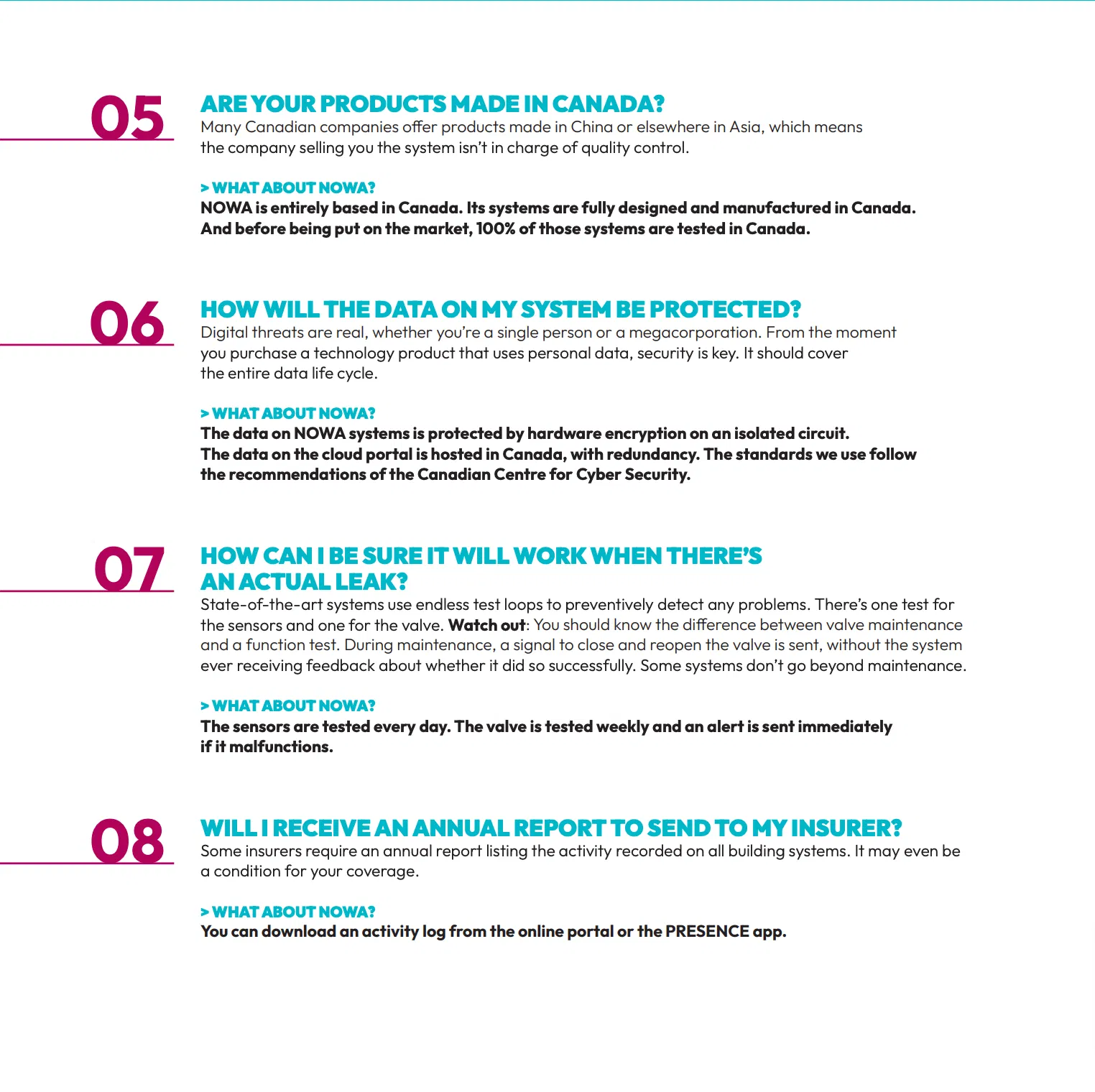
The Nowa system performs daily self-tests to ensure connectivity and battery health. We recommend a physical inspection and manual trigger test once or twice a year as part of your standard building maintenance schedule.

Protect Your Asset Today
Don't wait for the next "after-hours" emergency to find the weak points in your building's water management. Integrating smart leak detection with your BMS is the smartest upgrade you can make this year to reduce liability and protect your property’s value.
If you’re looking for professional leak detection services near me in the Vancouver, Burnaby, or the Lower Mainland area, contact Leak Logic Canada today. Our team of experts will walk you through the integration process and show you how easy it is to gain 24/7 peace of mind.
Ready to safeguard your building?
Call Randall and the team at Leak Logic Canada for a consultation. Let’s make water damage a thing of the past for your Vancouver property.