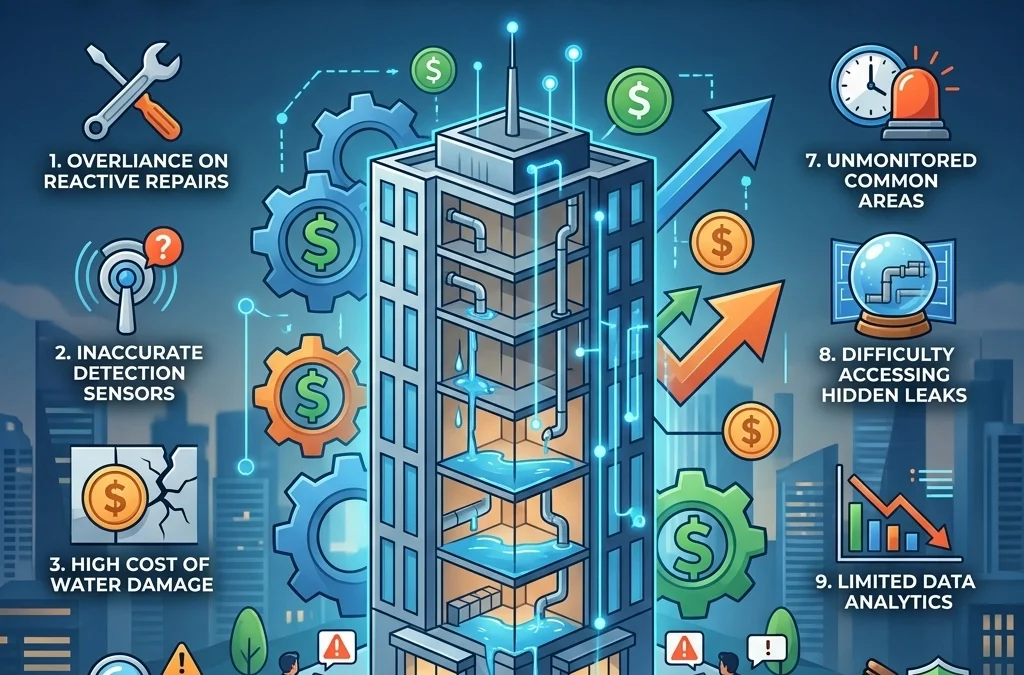
If you’re managing a high-rise in Vancouver or sitting on a Strata Council in the Lower Mainland, you already know the "2:00 AM phone call" feeling. It’s that sinking sensation when a resident reports water dripping from their ceiling, and you know, deep down, that the next few weeks will be a nightmare of insurance adjusters, restoration crews, and angry tenants.
Many buildings across BC believe they have a "strategy" for water damage. Maybe you have a few basic sensors under the communal kitchen sink, or perhaps you rely on a flow-meter system at the main intake. But here’s the cold, hard truth: if your strategy isn't actively reducing your insurance deductibles or stopping a flood in its tracks without human intervention, it’s not saving you money: it’s just a delayed expense.
At Leak Logic Canada, we see it all the time. Property managers come to us after a $500,000 claim because their current system failed to do its one job. Let’s dive into the 10 reasons why your current high-rise water leak detection strategy might be failing your bottom line.
1. You’re Relying on Flow-Based Systems Alone
Flow-based systems are great for monitoring total building consumption, but they are notoriously blunt instruments for high-rise protection. These systems look for "unusual" water flow. The problem? In a building with 200 units, someone is always running a tap, a dishwasher, or a shower.
By the time a flow-based system realizes a "leak" is happening rather than just heavy usage, thousands of gallons have already migrated through the floor slabs. To truly save money, you need a water leak detection system that identifies the location of the leak, not just the fact that water is moving.
2. Your Sensors Aren’t Sensitive Enough
Most off-the-shelf sensors require a literal puddle to trigger. By the time a standard sensor detects water, it has likely already soaked into the subfloor or started its journey down to the unit below.
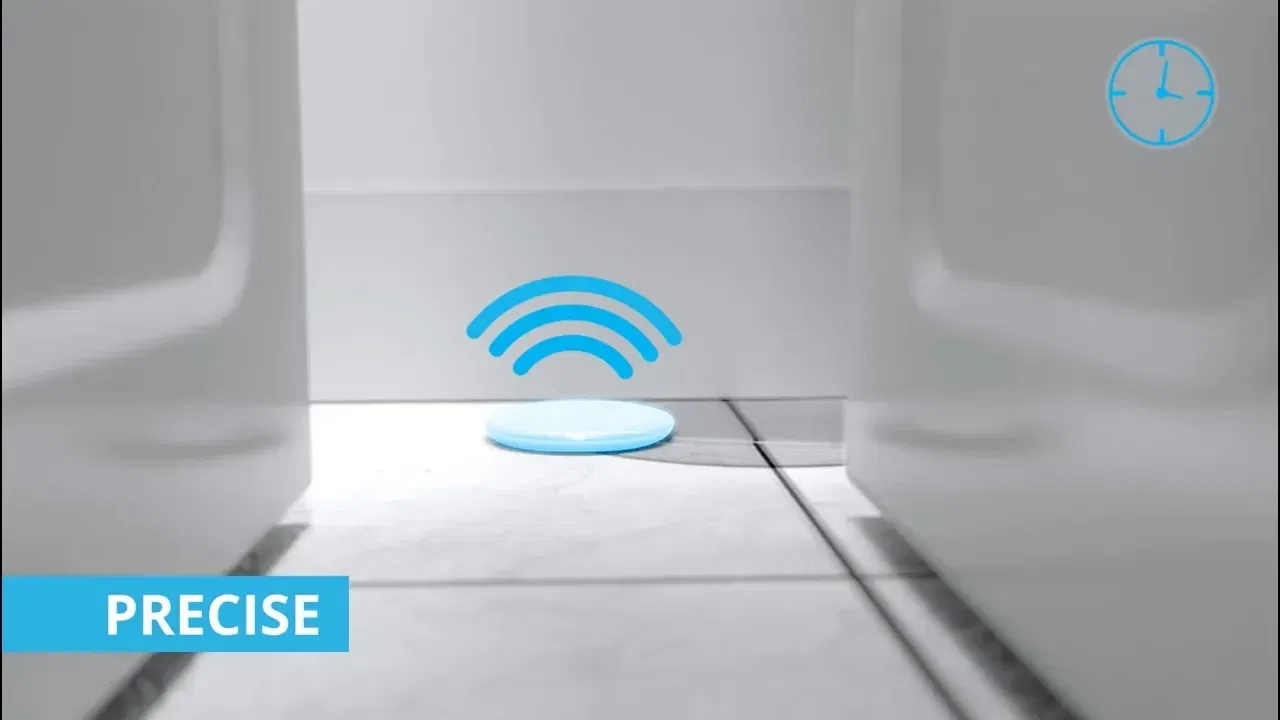
Our professional-grade solutions feature 0.015-inch leak sensitivity. That is thinner than a credit card. Combined with gold-plated probes that won't corrode over time, these sensors catch the "first drop" rather than the "first gallon." If you aren't catching it early, you aren't preventing the claim.
3. You’re Missing the "Automatic" in Automatic Shutoff
A notification on your phone is useless if you’re stuck in traffic on the Lions Gate Bridge or asleep at 3:00 AM. A "detection-only" strategy still relies on human intervention. You have to find the resident, get the key, and manually turn the valve.
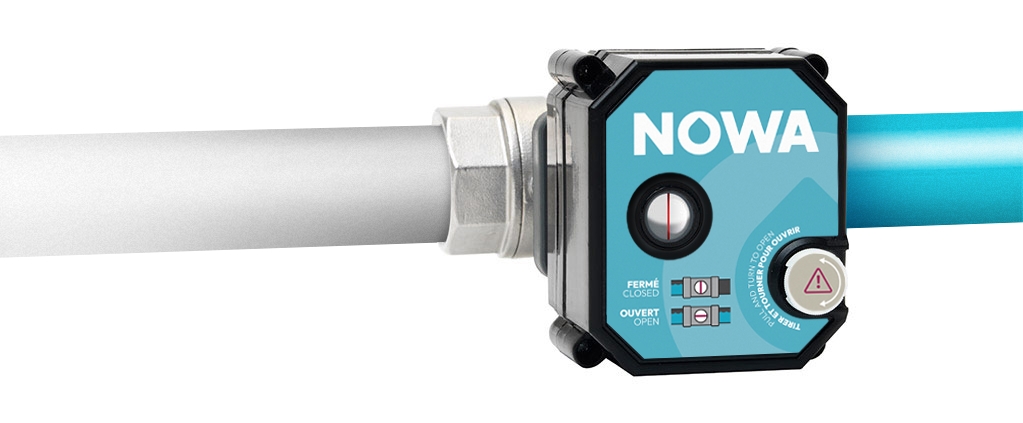
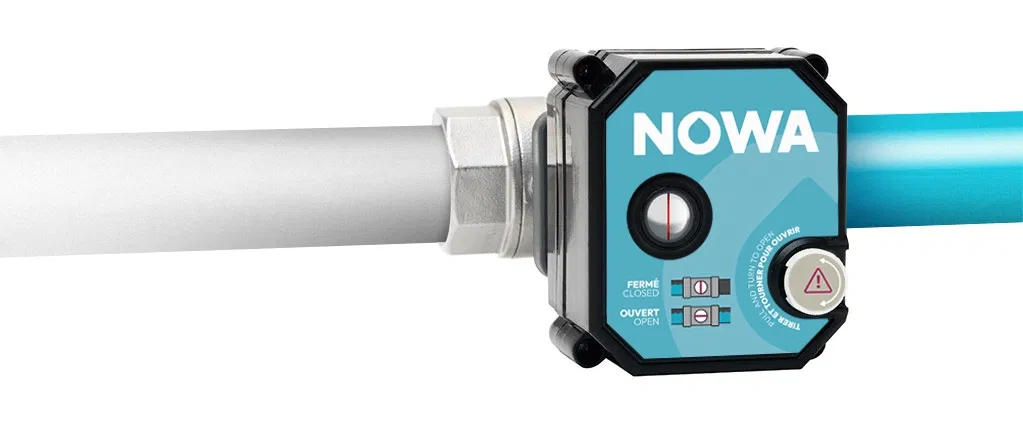
The only way to effectively protect building assets is with an automatic water shut off valve. When a sensor detects moisture, the valve closes instantly: usually in under five seconds. This turns a potential $100k restoration project into a simple "mop and bucket" cleanup.
4. You Aren’t Accounting for Aging Infrastructure
Vancouver is home to many beautiful, aging high-rises. Buildings with copper risers older than 25–30 years are reaching a critical failure point, particularly at solder joints in hot water recirculation lines.
If your strategy is reactive: waiting for a pipe to burst before upgrading: you are losing money on every repair. A proactive smart water leak detector strategy allows Strata Councils to monitor high-risk zones, providing building sensors for real estate safety that justify phased plumbing upgrades rather than emergency replacements.
5. False Positives are Killing Your Efficiency
Have you ever had a system that goes off every time someone takes a humid shower or when the expansion tank kicks in? That’s called "alarm fatigue." Eventually, your maintenance staff starts ignoring the alerts or, worse, disabling the system entirely.
Modern high-rise water leak detection needs to be smart enough to differentiate between high humidity and an actual leak. Our systems are designed for high-density environments, ensuring that when an alert happens, it’s the real deal. This saves your team hours of wasted labor investigating phantom leaks.
6. Your Insurance Deductible is Sky-High
This is the most significant financial drain for BC Strata Councils. In recent years, water damage deductibles in Vancouver have skyrocketed: sometimes reaching $100,000 or $250,000 per occurrence.
If your detection strategy isn't "insurance-grade," you aren't seeing the premium Reductions you deserve. Many major Canadian insurers now offer incentives or lower deductibles for buildings equipped with certified systems like the ones we install.

For more on this, check out our guide on advanced leak detection and insurance.
7. You’re Ignoring the "Freeze Factor"
While we don't get the winters of the Prairies, Vancouver still hits sub-zero temperatures that can wreak havoc on pipes in parking garages, mechanical rooms, or near exterior vents.
A comprehensive strategy must include 5°C freeze alerts. Our systems monitor ambient temperature and alert property managers before the pipe freezes and bursts. Preventing a burst pipe in a parkade is one of the easiest ways to save thousands in structural repair costs.
8. You Lack Real-Time, Centralized Monitoring
If your sensors are "standalone" units that just beep in the laundry room, they aren't protecting the building; they're just annoying the resident.
For property managers with a portfolio of buildings across the Lower Mainland, you need a centralized dashboard. Real-time monitoring allows you to see the status of every valve and sensor in every unit from your office. This real-time property protection is the difference between being a "firefighter" and a "manager."

9. Installation is Too Invasive (and Expensive)
Many councils reject leak detection because they dread the idea of "ripping open walls" or "running miles of cable." If your strategy involves massive tenant disruption and drilling, the labor costs alone will eat your ROI.
We specialize in wireless, LTE-enabled systems. No Wi-Fi passwords to manage (which residents change anyway), no drilling, and no cables. This makes wireless monitoring for real estate the most cost-effective way to retrofit an existing high-rise without the headache of a massive construction project.
10. You Aren't Addressing Multi-Unit Migration
In a high-rise, a leak in unit 2401 is rarely just a problem for unit 2401. Water follows gravity, finding the path of least resistance through electrical conduits and floor slabs.
A "unit-by-unit" strategy where only some owners opt-in is a recipe for disaster. To save money, the strategy must be building-wide. When the whole building is protected, the collective risk drops, the building's "insurability" increases, and the Strata’s reserve fund remains untouched by avoidable disasters. You can learn more about condo water damage strategies here.
The Bottom Line: Outcomes Over Hardware
At the end of the day, a smart water leak detector shouldn't be thought of as a "gadget." It is an asset protection tool. Whether you are managing a luxury tower in Coal Harbour or a commercial complex in Burnaby, the goal is the same: reduce claims, lower liability, and keep your residents dry.
Don't wait for the next catastrophic failure to realize your current strategy isn't cutting it. Whether it's the 0.015-inch sensitivity or the instant shut-off of a nowa smart water shutoff valve, the right technology pays for itself the very first time it stops a leak while you’re at home enjoying your dinner.
Protect Your Building Today
Stop playing "catch-up" with water damage. If you’re a Property Manager or Strata Council member in Vancouver, Richmond, Surrey, or anywhere in the Lower Mainland, it’s time for a professional assessment.
Contact Randall and the team at Leak Logic Canada today. We’ll help you implement a robust water damage prevention plan that actually saves you money and provides the peace of mind you deserve.
Call us at [Your Phone Number] or visit our contact page to secure your building near me in BC. Let’s stop the leaks before they start.