Let’s be honest for a second: if you’re a property manager or sit on a Strata Council in Vancouver, your phone ringing after 6:00 PM usually isn't someone calling to tell you what a great job you’re doing. It’s usually a crisis. And in the world of multi-unit residential buildings, that crisis is frequently wet, expensive, and coming from the third floor down into the lobby.
For years, the "gold standard" for preventing these disasters was the manual inspection. You’d hire a contractor or task a building manager to walk the halls, peek into mechanical rooms, and maybe: if you were lucky: spot a damp patch on a ceiling before it became a waterfall. But it’s 2026. If we can track a pizza delivery in real-time down to the second it hits our porch, why are we still relying on human eyeballs to catch a pinhole leak in a 40-story tower?
The truth is, manual inspections are a relic. They are time-consuming, prone to human error, and they only tell you what’s happening at that exact moment. Ten minutes after the inspector leaves, a pipe can burst, and you won't know until the tenant downstairs starts floating their furniture.
It’s time to drop the clipboard and embrace a smarter way to work. Here is the remote monitoring "hack" that is currently saving Vancouver property managers thousands of dollars in deductibles and countless hours of sleep.
Why Manual Inspections are Failing Your Strata Portfolio
Manual inspections feel proactive, but they are actually reactive. You’re looking for evidence of a problem that has likely already started. By the time a human eye sees a leak, the water has already saturated the drywall, found its way into the floorboards, and started its journey to the unit below.
Moreover, manual checks are expensive. Between the labor costs and the logistical nightmare of coordinating entry into multiple units, the ROI just isn't there. When you consider the sheer scale of a commercial leak detection system, you realize that a human simply cannot be everywhere at once.
In a city like Vancouver, where high-density living is the norm, a single failure in one unit can affect a dozen others. Relying on a walk-through once a month (or even once a week) is like trying to stop a flood with a cocktail napkin.
The Remote Monitoring Hack: IoT-Driven Water Security
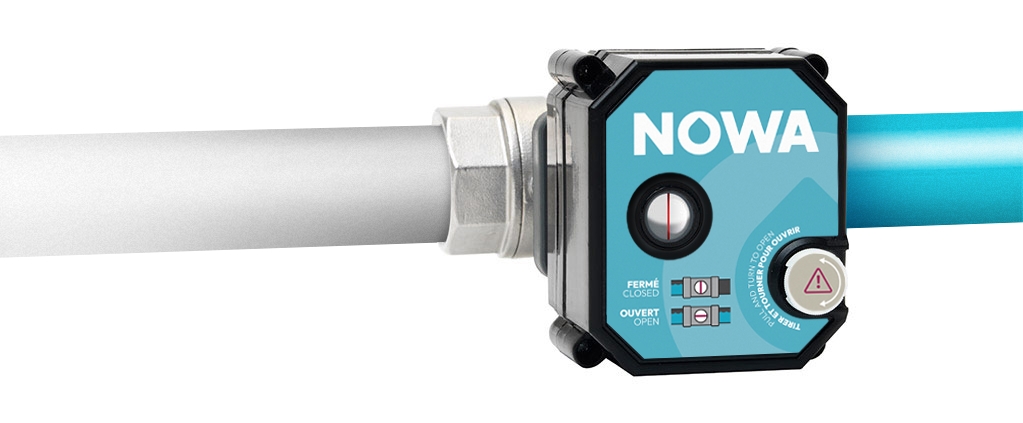
The "hack" isn't a secret code; it’s the integration of IoT (Internet of Things) technology into your building’s DNA. Specifically, we’re talking about a water shut off valve with leak detection that talks to a centralized hub.
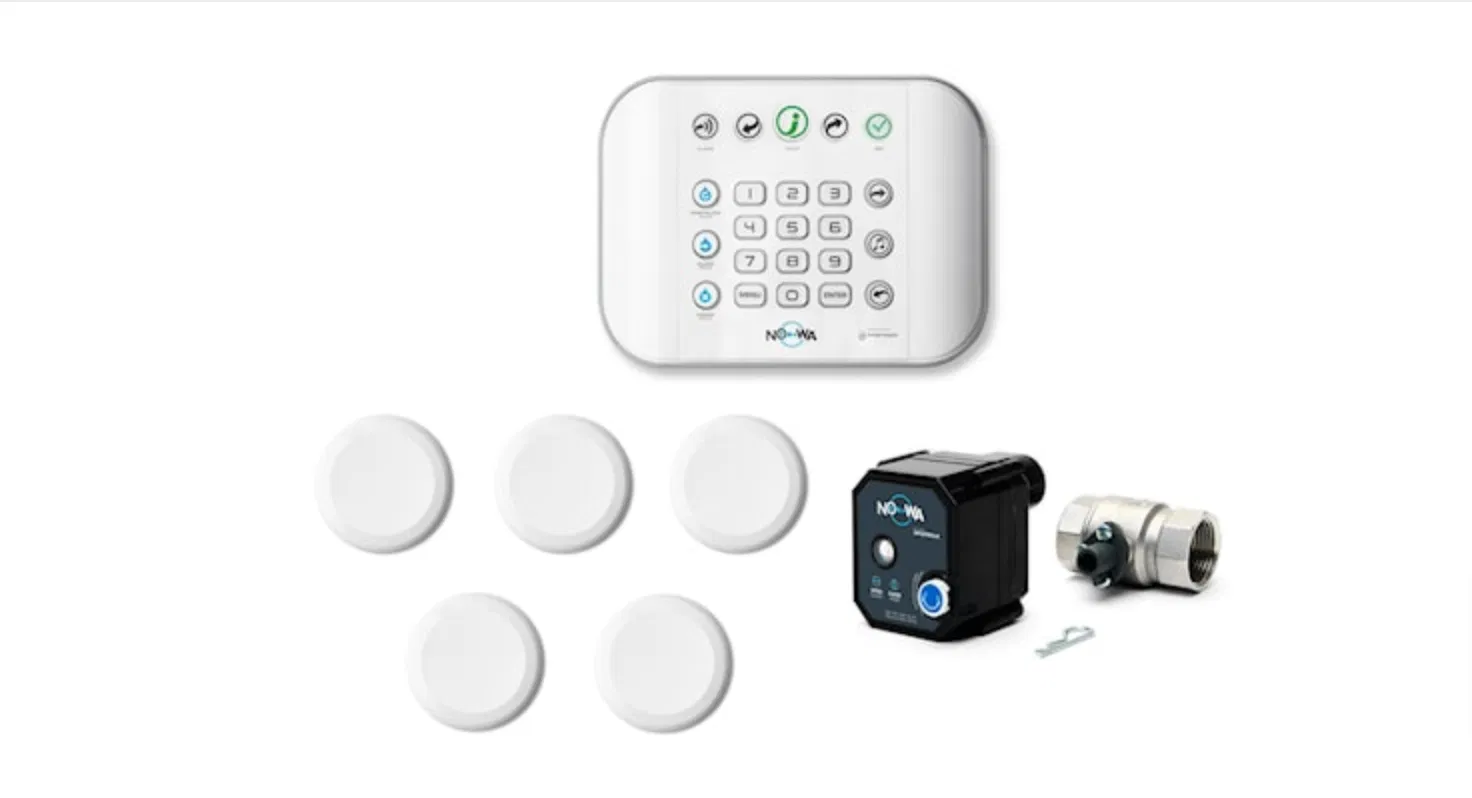
At Leak Logic Canada, we deploy the Nowa system, which replaces the "fingers crossed" method with 24/7 digital surveillance. Here’s how the "hack" works:
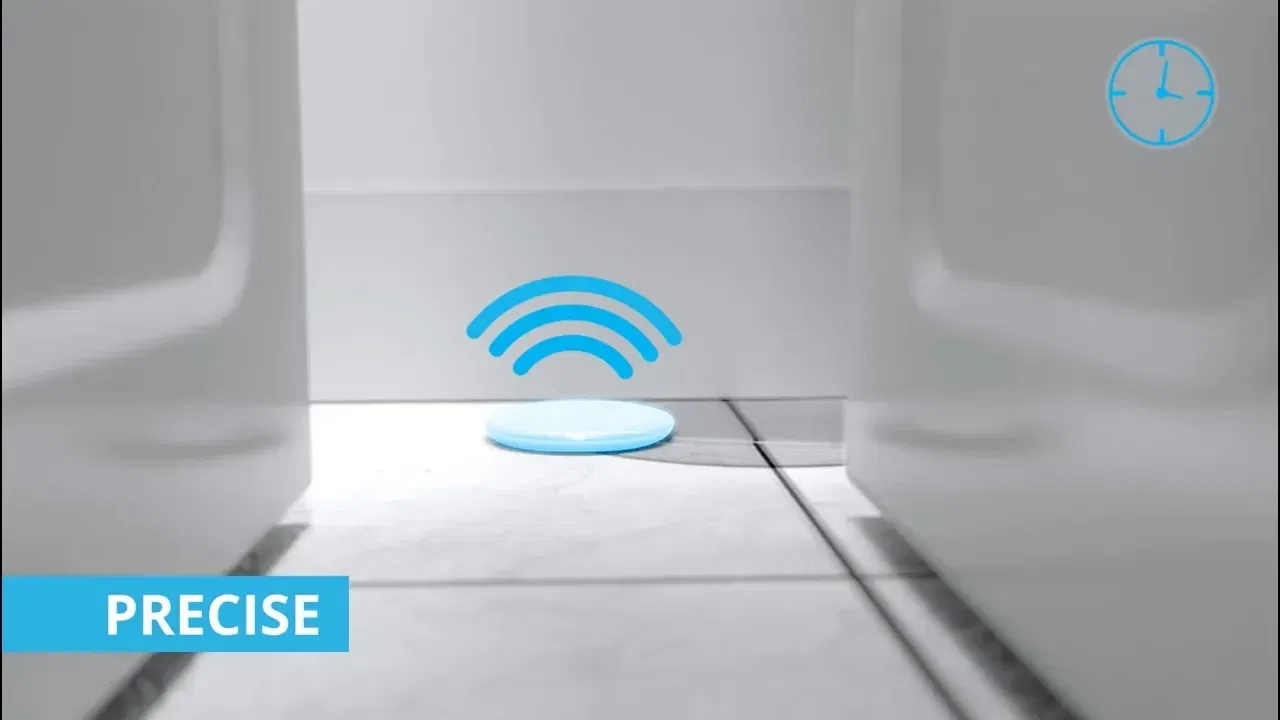
Instead of waiting for a manual inspection, wireless sensors are placed in high-risk zones: under sinks, behind washing machines, and near water heaters. These aren't your run-of-the-mill hardware store sensors. We use sensors with gold-plated probes that offer a 0.015-inch leak sensitivity. That is thinner than a credit card. If a single bead of water hits that probe, the system knows.
How does remote monitoring protect my building while I'm off-site?
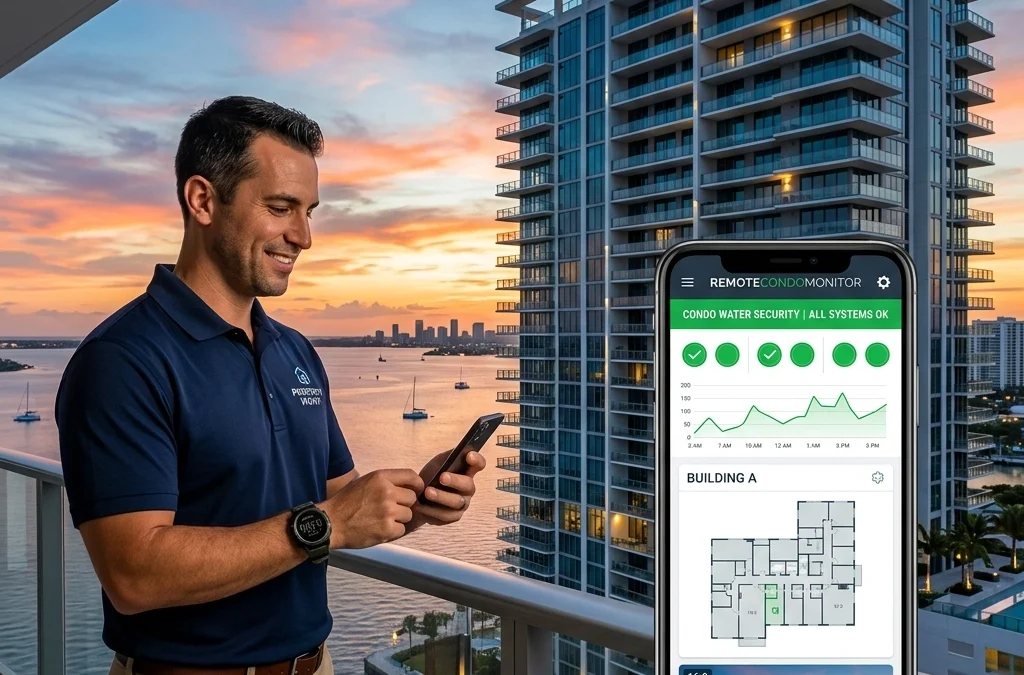
This is where the magic happens for busy property managers. When a sensor detects moisture, it doesn't just beep and hope someone hears it. It sends an instant alert to your smartphone and the building’s central dashboard. Simultaneously, it triggers the water shut off valve with leak detection to close the main line in seconds.
You could be at a hockey game at Rogers Arena or hiking in North Vancouver, and your building will have already saved itself before you even finish reading the notification. That is the definition of total condo water security.
The Secret Weapon: 5°C Freeze Alerts
While we spend a lot of time talking about burst pipes, we often overlook the silent killer of BC plumbing: the freeze. Vancouver winters might be milder than the rest of Canada, but those sudden cold snaps can wreak havoc on pipes in parkades or near exterior walls.
Our system includes a specialized freeze alert sensor. If the temperature in a monitored area drops to 5°C, the system triggers an alert. This gives your facilities team enough time to intervene: turn up the heat or insulate the area: before the water inside the pipe turns to ice and expands, causing a catastrophic burst. It’s about preventing the emergency before the "emergency" even exists.
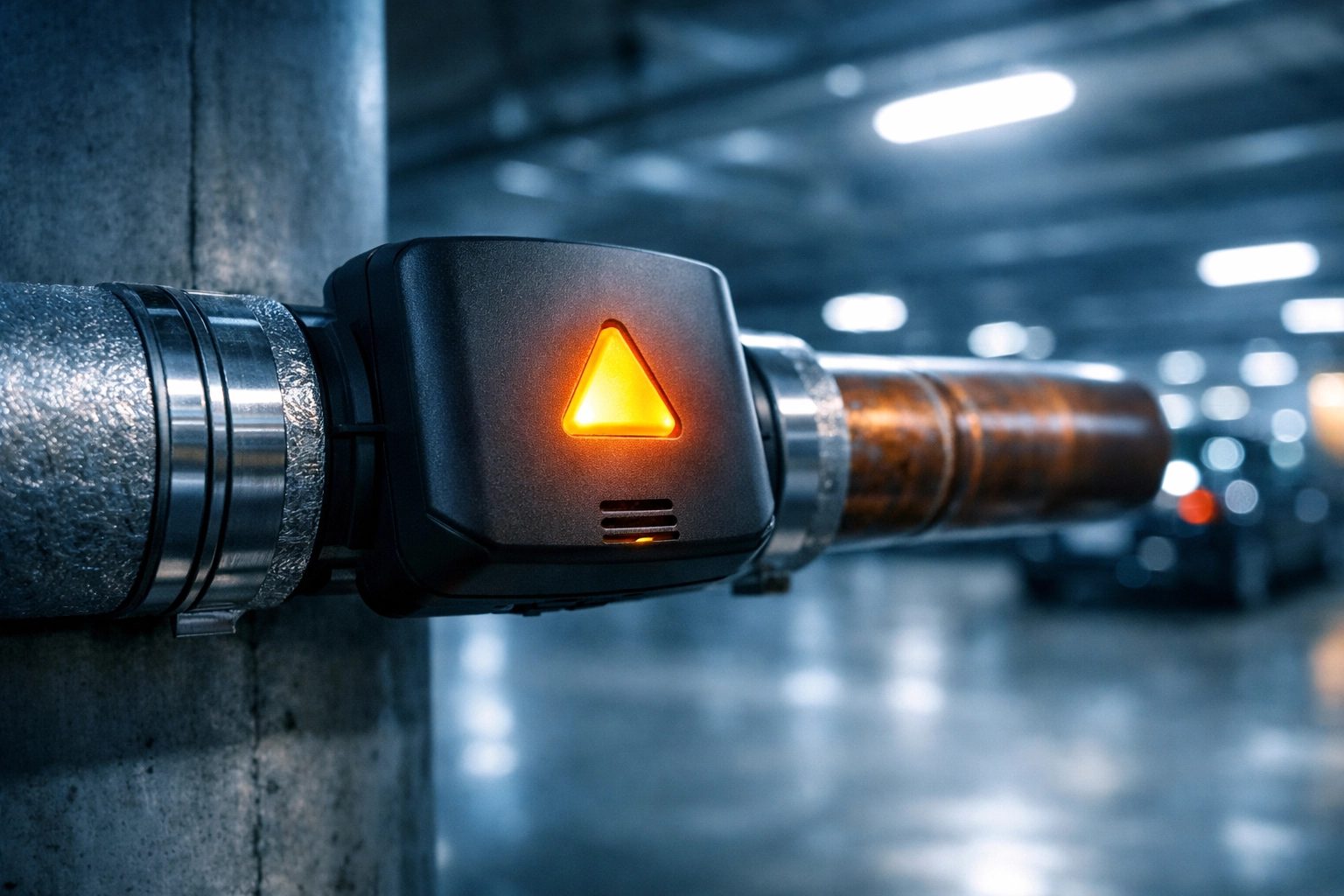
(AI-Generated Suggestion: A sleek, modern digital dashboard on a smartphone showing green checkmarks for various condo units, with one orange alert for a 5°C temperature drop in a parkade section.)
Why Gold-Plated Sensors Matter for Commercial Leak Detection
You might wonder why we insist on gold-plated probes. Is it just for flair? Not quite. In the world of condo water leak detection, reliability is everything. Standard copper or steel probes can corrode over time, especially in the humid environments where leaks often occur. A corroded sensor is a dead sensor.
Gold does not corrode. By using gold-plated probes, we ensure that the sensor remains as sensitive on year ten as it was on day one. When you are managing a multi-million dollar asset, you don’t want to gamble on a sensor that might have "gone to sleep" due to oxidation.
Learn more about the technical side of things here: Water Sensors, Leaks, and Humidity.
Protecting Your Bottom Line: Insurance and Asset Management
If you’re managing a building in the Lower Mainland, you’ve likely seen insurance premiums and deductibles skyrocket. Many Strata corporations are facing $50,000 or even $100,000 deductibles for water damage. This is a massive financial liability that keeps Asset Managers up at night.
By installing water leak sensors for apartments and a centralized monitoring system, you aren't just buying hardware; you’re buying an insurance policy for your insurance policy. Many major Canadian insurers now offer premium reductions or deductible waivers for buildings equipped with automated shut-off systems.
When you can prove to an underwriter that your building has 24/7 monitoring and automatic shut-off capabilities, you move from being a "high-risk" client to a "preferred" one.
"But our building is old: can we still do this?"
One of the biggest myths we encounter is that remote monitoring is only for new construction. While it’s certainly easier to bake this into the blueprints, the Nowa system is designed for retrofitting.
Because the sensors are wireless and the control panels use LTE connectivity, there’s no need to tear open walls or run miles of Cat5 cable. We can move unit-by-unit, floor-by-floor, upgrading your building’s security without displacing residents or causing a construction nightmare.
For more on how to approach these upgrades, check out our guide on Condo Water Damage Strategies.
Precision is the Key to Peace of Mind
The phrase "manual inspection" implies that someone is actually looking at the right spot. But leaks are sneaky. They happen in the dark, behind the dishwasher, or inside the HVAC closet.
Our precise leak sensor placement ensures that the most vulnerable areas are covered. We don't just toss a sensor in the middle of the floor; we target the "splash zones" where water first accumulates. With 0.015-inch sensitivity, the system catches the leak while it's still a "puddle" and before it becomes a "pool."
What is the best water leak detection system for Vancouver condos?
In the Lower Mainland, the "best" system is one that doesn't rely on the building's often-flaky Wi-Fi and provides 24/7 remote support. Leak Logic Canada offers exactly that. Our systems use LTE-enabled communication, meaning even if the building’s internet goes down, your protection stays up.
We also provide the "PRESENCE" service: a dedicated 24/7 remote monitoring service where our team keeps an eye on your system's health. If a battery runs low or a sensor is moved, we know about it before you do.
Is remote monitoring worth the investment for small Strata buildings?
Absolutely. In fact, smaller buildings often have smaller reserve funds, making a massive water damage claim even more devastating to the owners. Whether you have 10 units in Kitsilano or 400 units in Burnaby, the cost of a single major leak far outweighs the cost of the system.
Stop Guessing. Start Protecting.
Manual inspections are a "hope-based" strategy. Remote monitoring is a "fact-based" strategy. By moving to an automated system, you free up your staff for more important tasks, you satisfy your insurance providers, and most importantly, you protect the building's residents and assets.
Don't wait for the next "Friday afternoon surprise" to realize your building is vulnerable. Whether you are in Vancouver, Richmond, Surrey, or anywhere in the Lower Mainland, it’s time to modernize your water security.
Protect your building assets and reduce your risk today. For more information on commercial leak detection systems and how to safeguard your property, call Leak Logic Canada. We specialize in providing peace of mind for property managers and strata councils across Vancouver and the Lower Mainland. Let's make manual inspections a thing of the past.