Managing a high-rise in Vancouver is a bit like conducting a vertical orchestra. You’ve got hundreds of residents, complex mechanical systems, and thousands of feet of pressurized plumbing all working in concert. But when a single pipe fails on the 20th floor, the "music" stops pretty quickly: and usually, it’s replaced by the sound of rushing water and frantic phone calls from strata council members.
At Leak Logic Canada, we see it all the time. Property managers and asset managers across the Lower Mainland are working harder than ever to protect their buildings, yet water damage remains the leading cause of insurance claims in BC. Often, the issue isn't a lack of effort; it's that the water leak detection system in place has a few blind spots.
If you’re relying on old-school methods or basic hardware to protect your multi-unit residential building (MURB), you might be making one of these seven common mistakes. Here is how to spot them: and more importantly, how to fix them before the next flood.
1. Relying Only on Visual Inspections (The "If I Can't See It, It's Fine" Trap)
One of the biggest mistakes in high-rise management is assuming that if there isn't a puddle on the floor or a stain on the ceiling, everything is fine. In a high-rise environment, leaks are often "silent killers." They start behind drywall, inside utility chases, or under mechanical room floors.
By the time a resident on the 14th floor notices a drip, the leak might have been active for days on the 15th floor, soaking insulation and breeding mold.
How to fix it: You need a smart water leak detector strategy that goes where eyes can’t. Professional-grade sensors placed in high-risk areas: like water heaters, dishwasher lines, and fan coil units: provide 24/7 "eyes" on the plumbing. Instead of waiting for a visual cue, you get an alert the second moisture is detected.
2. Choosing "Consumer-Grade" Sensors Over Professional Hardware
It’s tempting to head to a big-box store and buy a dozen cheap plastic sensors. However, in a professional B2B environment, these often fail when you need them most. Many basic sensors lack the sensitivity required to catch a leak before it becomes a disaster.
How to fix it: Look for technical specifications that meet industrial standards. For example, our Nowa systems use sensors with gold-plated probes. Why gold? Because it doesn’t corrode. If a sensor sits in a damp environment for three years and the probes oxidize, it won't trigger when a real leak hits. Furthermore, our sensors offer 0.015-inch leak sensitivity. That is the difference between catching a "weeping" pipe and waiting for a full-blown burst.
3. Having Detection Without an Automatic Water Shut Off Valve
Imagine receiving a leak alert on your phone at 3:00 AM on a Sunday. You’re in Burnaby, but the building is in Downtown Vancouver. By the time you wake up, call the on-site caretaker, and they find the manual shut-off, thousands of gallons of water have already migrated through five floors of concrete.
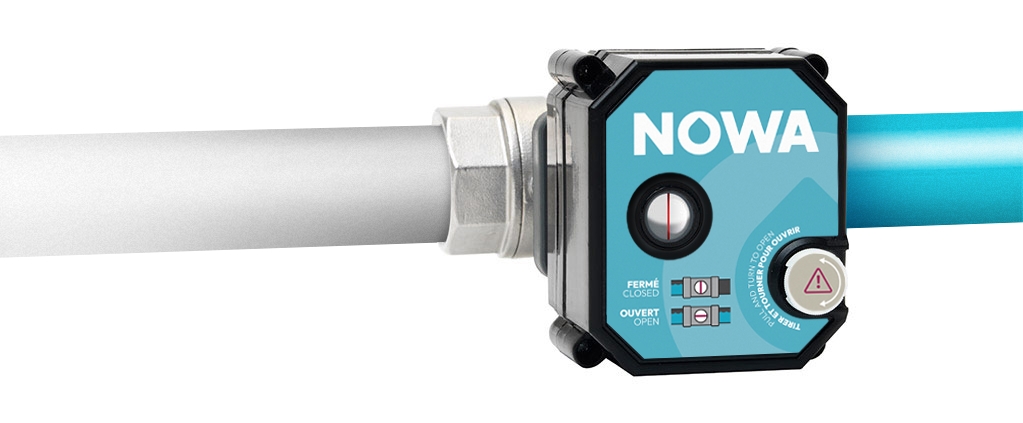
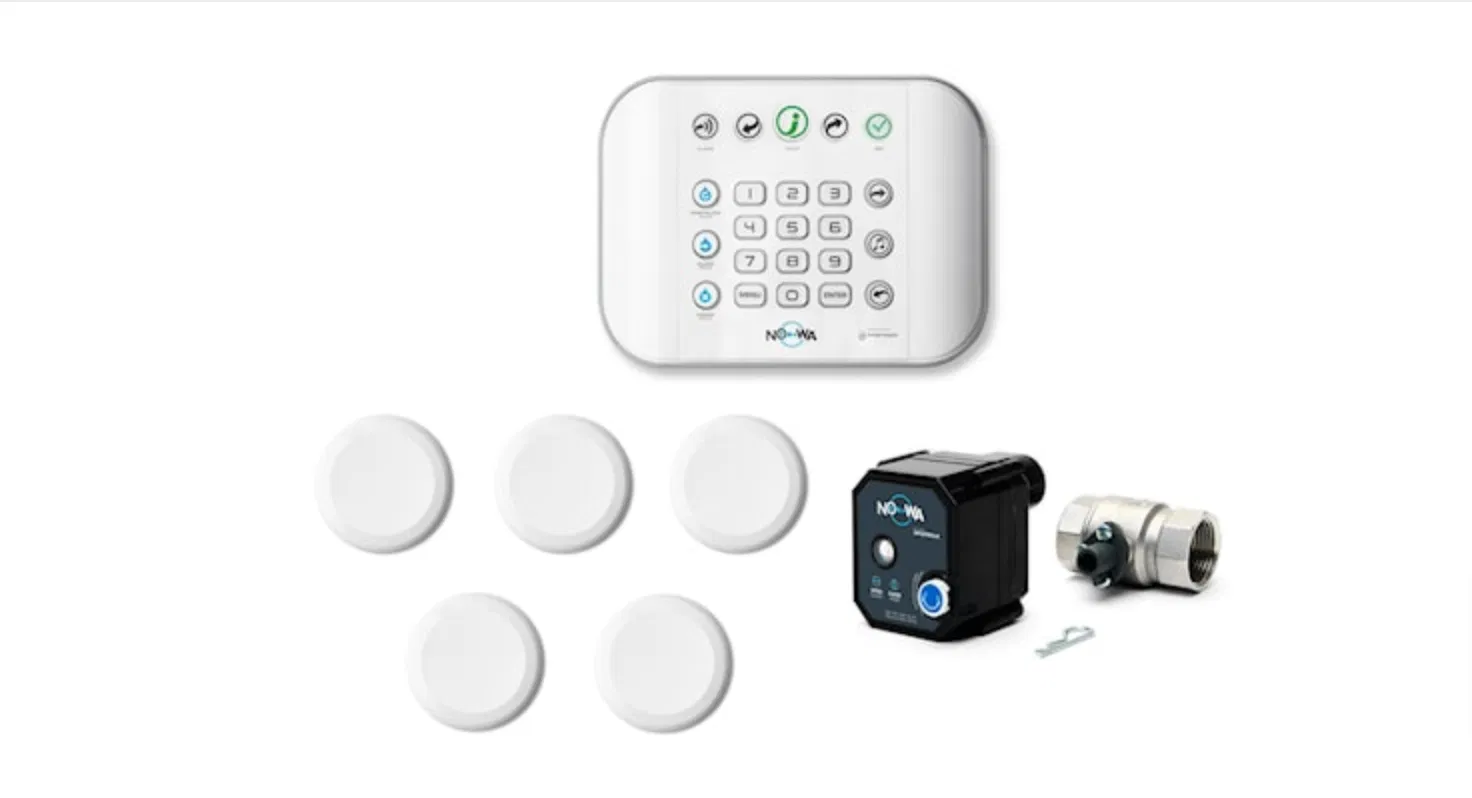
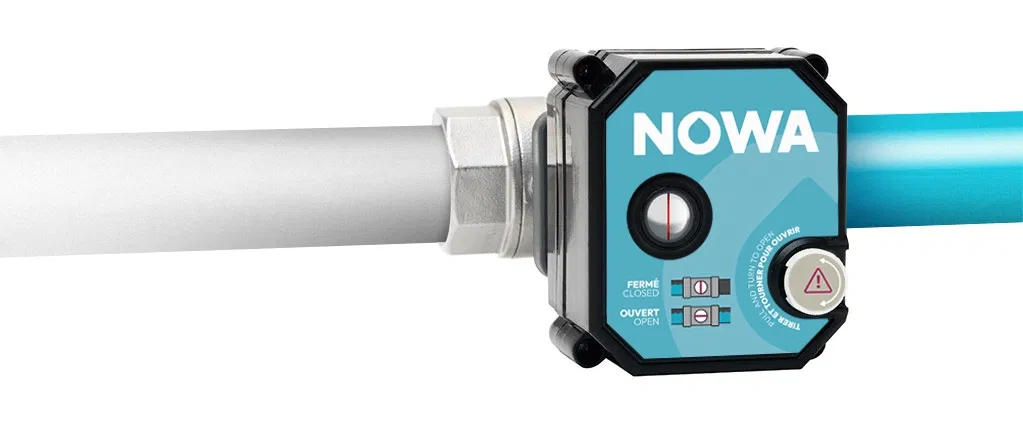
How to fix it: Detection is only half the battle. To truly protect building assets and reduce liability, you must pair your sensors with an automatic water shut off valve. When the sensor detects moisture, it sends a signal to the master control panel, which commands the valve to close instantly: usually in under 30 seconds. This turns a potential $500,000 insurance claim into a simple $200 plumbing repair.
4. Ignoring Temperature and Freeze Risks
In the Pacific Northwest, we don't always think about freezing pipes until a cold snap hits Vancouver. High-rise buildings are particularly vulnerable in mechanical penthouses, parking garages, and near intake vents. A frozen pipe that bursts is one of the most violent ways a building can sustain water damage.
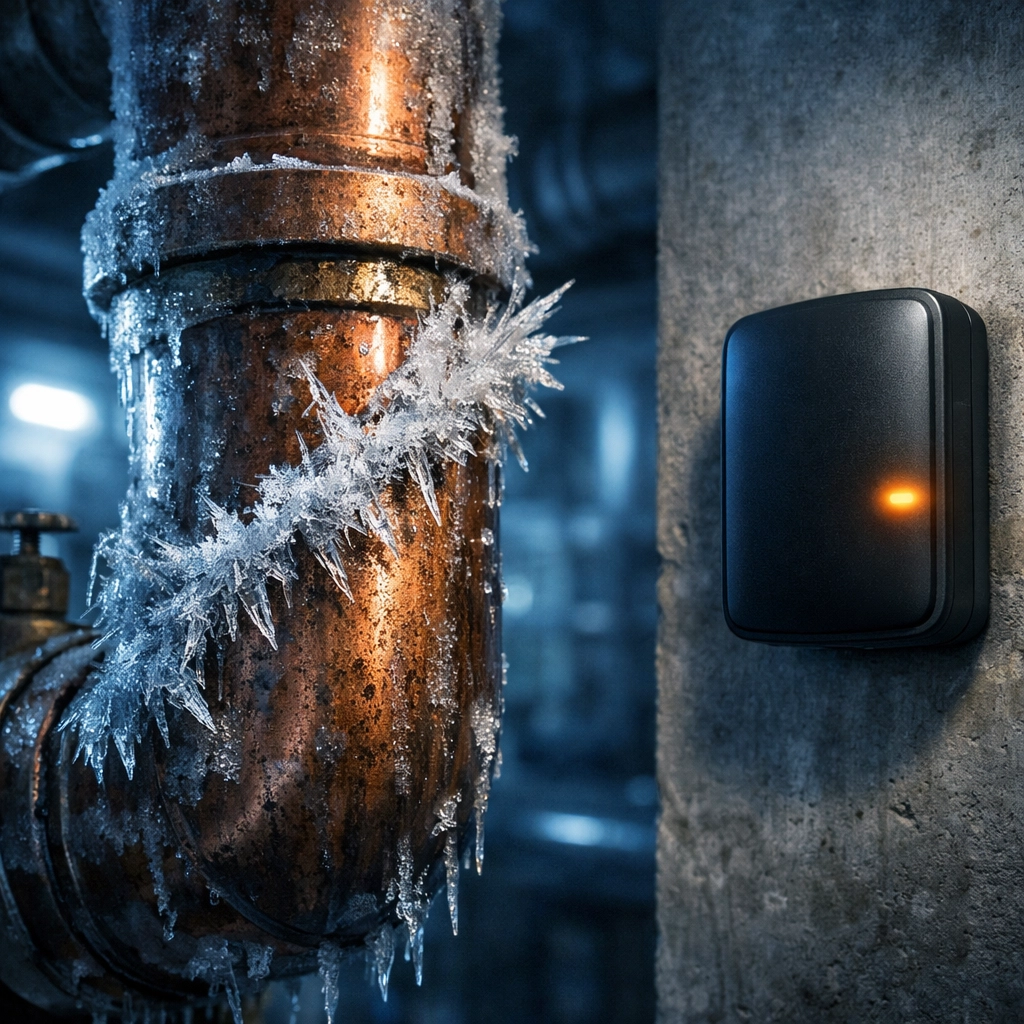
How to fix it: Your water leak detection system should do double duty. Our technology includes 5°C freeze alerts. If the temperature in a sensitive area drops toward the freezing point, the system notifies the property manager immediately. This allows your team to intervene: perhaps by increasing heat or wrapping pipes: before the water turns to ice and cracks the line.
5. Managing Units as "Silos" Instead of a Centralized Portfolio
For strata councils and property managers, managing 200 individual units with 200 individual "stand-alone" leak detectors is an administrative nightmare. If a battery dies in Unit 402, how do you know? If Unit 705 has a leak while the owner is on vacation in Mexico, who gets the alert?
How to fix it: You need a centralized management portal. Systems like Nowa 4S use LTE connectivity (meaning they don't rely on the resident's flaky Wi-Fi) to report back to a central dashboard. As a building manager, you can see the status of every sensor in the entire high-rise from one screen. This "bird's-eye view" is essential for large-scale risk management and proactive maintenance.
6. Overlooking Insurance Premium and Deductible Incentives
Many strata corporations in BC are struggling with skyrocketing insurance deductibles: sometimes reaching $100,000 or even $250,000 per water damage incident. A major mistake is failing to leverage leak detection technology to lower these costs.
How to fix it: Modern insurers love risk mitigation. By installing an approved high rise water leak detection system, many buildings can negotiate lower premiums or, at the very least, avoid massive deductible hikes. We often work with major Canadian insurers like Northbridge, Aviva, and Intact. In some cases, having a certified system is the only way a building can remain "insurable" after a history of claims.

7. Skipping Professional, Certified Installation
It might seem like a simple weekend project, but plumbing and IoT (Internet of Things) integration in a commercial setting is complex. Improperly placed sensors or poorly installed valves can lead to "false positives" (shutting off the water when there's no leak) or, worse, "false negatives" (failing to shut off during a real emergency).
How to fix it: Ensure your system is installed by certified professionals who understand the specific hydraulic pressures of high-rise buildings. At Leak Logic Canada, we don't just "sell hardware." We provide a full-service protection plan, ensuring every valve is positioned for maximum impact and every sensor is tested for 100% reliability.
Why Vancouver Property Managers Are Making the Switch
Whether you are managing a luxury tower in Coal Harbour or a multi-unit complex in Kitsilano, the goal is the same: peace of mind. Water damage doesn't just cost money; it costs time, damages your reputation, and displaces residents.
By avoiding these seven mistakes, you’re not just installing a "gadget": you’re investing in the long-term structural integrity of your property. Our systems are designed specifically for the rigors of the BC climate and the complexities of local strata regulations.
Key Technical Advantages of Leak Logic Solutions:
- 0.015-inch sensitivity: Catch the smallest drips before they escalate.
- Gold-plated probes: Reliable detection without the risk of corrosion.
- 5°C Freeze Alerts: Protect your mechanical rooms and exposed pipes from winter bursts.
- LTE Connectivity: No need to mess with resident Wi-Fi passwords; the system stays online 24/7.
- Automatic Shut-off: Immediate response, even when no one is home.
Ready to Protect Your Building?
Don't wait for a catastrophic flood to realize your leak detection strategy has holes in it. Whether you are looking for a retrofit for an older building or a state-of-the-art system for a new development, Leak Logic Canada is your partner in water damage prevention.
Stop leaks instantly and automatically. Protect your assets, reduce your insurance risk, and give your strata council the peace of mind they deserve.
Call Leak Logic Canada today at [Insert Phone Number] or visit us online to schedule a consultation for your Vancouver or Lower Mainland property. We are the experts in high-rise water leak detection near you.
For more tips on protecting your property, check out our recent posts on condo water damage strategies and advanced leak detection for insurance savings.