
Hey there, I’m Randall, the owner of Leak Logic Canada. If you’re managing a high-rise in downtown Vancouver or sitting on a strata council in Yaletown, you know that water is both our best friend and our worst enemy. When you’re living or working 20 storeys up, a single burst pipe isn’t just a "mop it up" situation: it’s a gravity-powered disaster that can take out ten floors below you in minutes.
I’ve spent years helping property managers and owners protect their investments, and I see the same errors over and over again. High-rise buildings have unique "personalities" when it comes to plumbing. What works for a detached home in Burnaby won't necessarily cut it for a 40-unit concrete tower.
Are you making these common mistakes? Let’s walk through the seven biggest blunders in high-rise water leak detection and, more importantly, how we can fix them together.
1. Waiting for Visible Evidence of a Leak
The biggest mistake I see? People think they’ll "know it when they see it." In a Vancouver high-rise, if you see water pooling on your floor, the damage has likely already traveled through the electrical conduits and into your neighbor's ceiling.
Water always takes the path of least resistance. It can travel horizontally along a concrete slab for meters before finding a gap to drip through. By the time you spot a damp patch, you might be looking at common causes of leaking pipes that have been active for days.
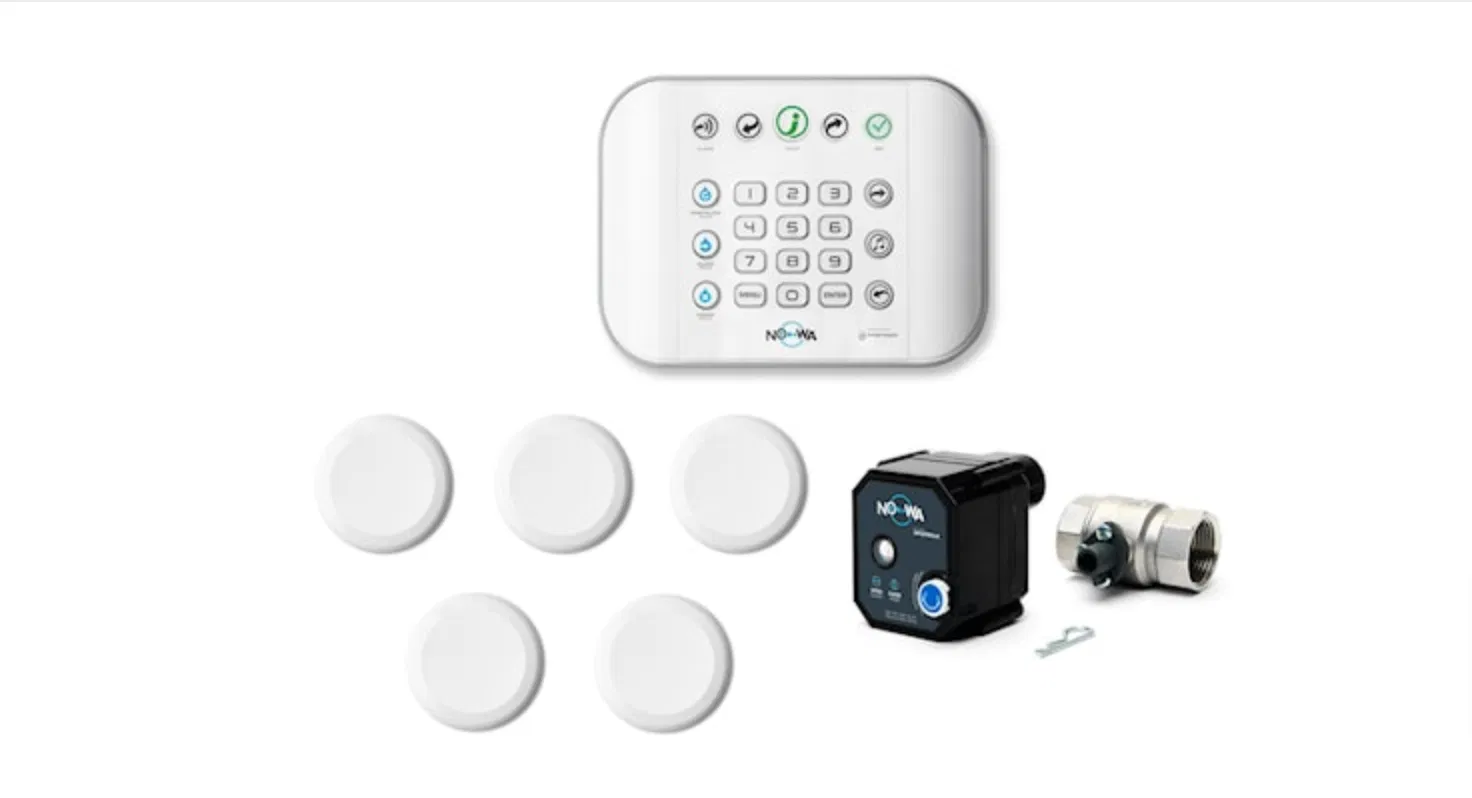
The Fix: You need a smart water leak detector that catches moisture at the source: before it becomes visible. Our Nowa sensors are designed to sit in those hidden spots: under the dishwasher, behind the washing machine, and near the water heater: to catch the first drop.
2. Confusing "Alerts" with "Protection"
I hear this a lot: "Randall, I have those little pucks from the hardware store that beep when they get wet." That’s great if you’re home, awake, and have a wrench ready. But what if the leak happens at 2:00 AM on a Tuesday, or while the resident is vacationing in Whistler?
An alert tells you there’s a problem. Protection stops the problem.
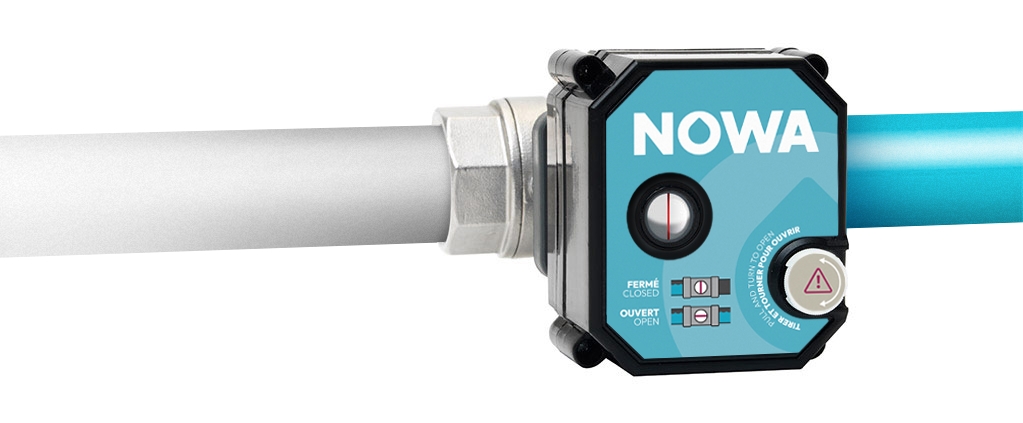
The Fix: A true high rise water leak detection strategy requires an automatic water shut off valve. When our Nowa 360 system detects moisture, it doesn't just send a notification to your phone; it physically closes the main water line in seconds. It’s the difference between a minor inconvenience and a $500,000 insurance claim.
3. Thinking Your Unit is an Isolated Island
In a high-rise, your plumbing is part of a massive, interconnected web. I’ve seen strata councils ignore leak detection because they think individual owners should handle it. The reality is that a leak in unit 1504 is a threat to 1404, 1304, and every unit down to the lobby.
Residents often mistakenly believe condo water damage strategies aren't their responsibility, but the financial fallout: and the skyrocketing insurance deductibles: affects the entire building's "contingency reserve fund."
The Fix: Move toward a building-wide solution. By installing a unified water leak detection system across all units, the strata can ensure the entire vertical stack is protected. It’s about collective peace of mind.
4. Poor Sensor Placement (The "Out of Sight, Out of Mind" Trap)
Where you put your sensors matters just as much as having them. I often see sensors tossed haphazardly under a sink, far away from where the actual pipe connections are. If the sensor is on a high point of the floor and the water is pooling in a low corner, the system won't trigger until the room is already flooded.
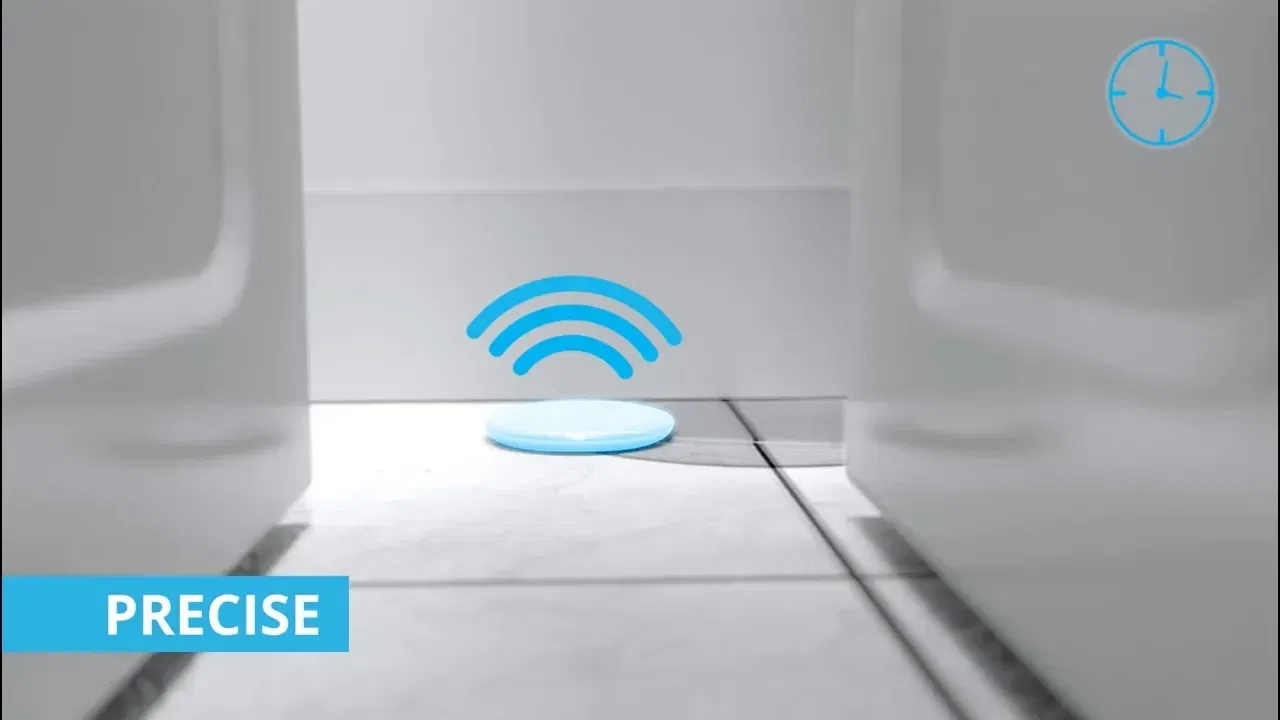
The Fix: Precision is key. You want sensors placed exactly where leaks are most likely to start. Think about the "Big Five": toilets, washing machines, dishwashers, refrigerators with ice makers, and hot water tanks.
5. Ignoring Environmental "Noise" and Interference
High-rises are noisy environments: and I don't just mean the traffic on Georgia Street. Massive concrete walls and electrical interference can wreak havoc on cheap, consumer-grade wireless sensors. If your sensor loses its connection to the hub, it’s just an expensive piece of plastic.
Many old-school acoustic detection methods also fail in high-rises because the vibrations from the building’s HVAC and elevators mask the sound of a pinhole leak.
The Fix: Use professional-grade equipment like the Nowa 4S system. It uses a dedicated frequency (LTE or specialized RF) that isn't bogged down by your neighbor's Netflix streaming. These systems are designed for condominiums and offer real-time monitoring that doesn't drop out when the Wi-Fi gets wonky.
6. Managing the Building Without a Central Dashboard
For property managers in Vancouver, trying to track leaks unit-by-unit is a nightmare. If a sensor goes off, who gets the call? If a battery dies in unit 802, how do you know? Managing a 200-unit tower without a centralized view is like flying a plane without a dashboard.
The Fix: Modern systems provide a centralized management portal. This allows building managers to see the status of every sensor in the building from a single screen. You’ll get property protection alerts instantly, and you can even perform remote tests to ensure every valve is working.
7. Overlooking Insurance Savings and Incentives
This is the mistake that costs you money every single month. Many owners and strata councils view leak detection as an "extra expense." In reality, not having it is the expense. With insurance deductibles for water damage in Vancouver condos reaching $100,000 or even $250,000, one "oops" moment can be financially devastating.
The Fix: Many Canadian insurance companies actually reward you for being proactive. By installing an approved system like Nowa, you can often secure lower premiums or even have the system partially subsidized. We work with major insurers to help you find water leak insurance savings.

How Leak Logic Canada Solves the High-Rise Headache
Imagine this: It’s a rainy Vancouver afternoon. A pipe starts to hairline crack behind a wall in a penthouse unit. Within seconds, a Nowa sensor detects the moisture. Before the resident even notices the carpet is damp, the automatic water shut off valve has engaged. The water stops flowing.
The resident gets a text. The property manager gets an alert. The floors below remain bone dry. No restoration crews, no mold, and no insurance claims. That’s the "Leak Logic" way.

What is the best water leak detection system for Vancouver high-rises?
When people ask me this, I always point to a system that integrates three things:
- High-precision sensors: To catch the leak early.
- Reliable communication: So the signal always gets through those thick concrete walls.
- Active intervention: A motorized valve that actually stops the water.
Our solutions at Leak Logic Canada are built on Nowa technology, which is the gold standard for preventing condo water damage. We don't just sell you a box of parts; we provide a full-service experience: from site assessment to professional installation and ongoing support.
Are you ready to protect your building?
Don't wait for a "rainy day" inside your hallway. Whether you're in a brand-new build in Coal Harbour or a heritage conversion in Gastown, your building deserves the best protection available.
Let's chat about how we can safeguard your property. We know the Lower Mainland, we know high-rise plumbing, and we know how to keep you dry.
Protect your investment and get peace of mind today.
Contact Randall and the team at Leak Logic Canada.
Call us at (604) 359-5510 or visit leaklogiccanada.com for more information.
Whether you are in Vancouver, Burnaby, Richmond, or anywhere across the Lower Mainland, we are your local experts in water damage prevention. Let’s stop the leak before it starts!