
Understanding water leak insurance is crucial for homeowners and renters alike. Water damage can be unexpected and costly, which makes having the right insurance coverage essential. In this blog, we’ll delve into twelve important facts about water leak insurance that will help you navigate this often complex topic with ease.
1. What Exactly is Water Leak Insurance?
Water leak insurance provides coverage for damages caused by leaks, typically from plumbing or appliances within your home. Understanding what it entails is your first step towards better home protection.
Essentially, water leak insurance acts as a safety net for unexpected mishaps. Imagine returning home only to find a puddle in the living room because of a burst pipe! Such incidents can not only damage your belongings but may also result in costly repairs. This coverage ensures that while you manage the immediate aftermath, financial burdens are alleviated.
2. Why You Need Water Leak Insurance
Water damage can lead to significant repair costs. This section explains the importance of having insurance to cover unexpected leaks that can cause financial strain.
Consider the expenses involved: drywall replacement, flooring installation, or even mold remediation. These can add up quickly, becoming a financial nightmare if you’re unprepared. Water leak insurance not only protects you from such unexpected events but also gives you peace of mind. When you know you’re covered, you can focus on resolving the leak rather than stressing over unpaid bills.
Additionally, damage from water leaks isn’t always evident immediately. Sometimes, it could take months before moisture leads to structure weakening or even health hazards due to mold. That elusive leak behind the wall can turn into a costly problem without the right coverage.
3. Common Exclusions in Water Leak Insurance Policies
It’s essential to understand what is not covered by your policy. Many plans exclude certain types of water damage, such as those resulting from neglect or wear and tear.
For instance, if a leak occurs from a pipe that hasn’t been maintained, your claim could be denied. It’s crucial to read the fine print and ask your insurer about coverage limitations. No one wants a nasty surprise when they attempt to file a claim after discovering damage. Awareness of exclusions will help you take preventive measures.
4. How to Assess Your Risk of Water Leaks
Learn how to evaluate the likelihood of water leaks in your home based on factors such as location, the age of plumbing, and prior incidents.
A home built in an area with heavy rainfall or flooding might be at greater risk for water-related issues than one in a drier climate. Moreover, homes with aging pipes often face increased vulnerability. A thorough assessment can help you identify potential weak points in your plumbing systems. Once identified, you can take proactive measures to mitigate these risks.
5. Understanding Deductibles and Premiums
Dive into how deductibles work in relation to water leak insurance and what you can expect regarding premium costs for adequate coverage.
Typically, the higher your deductible, the lower your premium, and vice versa. Making this calculation smart can save you money and protect you when leaks occur. It’s about finding the right balance. Understanding these dynamics will equip you with the knowledge to tailor your coverage to your financial situation.
6. The Importance of Regular Maintenance
Regular maintenance can help prevent leaks and assure your policy remains valid. This section details what maintenance tasks homeowners should undertake to minimize risks.
Think of your plumbing system like your car; it requires regular checks to run optimally. Simple tasks such as inspecting pipes for rust, ensuring water pressure is within safe limits, and keeping gutters clean can go a long way in preventing leaks. This diligence not only protects your property but could also hint at a lower premium.
7. What to Do When a Leak Occurs
Being prepared is key. This section outlines the immediate actions you should take if you discover a leak, including shutoff procedures and calling your insurer.
Start by shutting off the main water supply to prevent further damage. Next, take pictures of the leak; documentation will be heavily weighted when filing your claim. Contact your insurance provider within a reasonable timeframe; many require prompt notification.
8. Filing a Claim: Step-by-Step Guide
This guide walks you through the process of filing a water leak insurance claim, including the documentation you’ll need to present for a successful claim.
Begin by gathering all relevant paperwork such as your policy number, details of the incident, and photographs of the damage. Submit these to your insurer promptly. Be prepared for an inspector to come evaluate the damage; this will help finalize your claim process.
9. The Role of an Insurance Adjuster
Understand what an insurance adjuster does in the event of a claim. They assess the damage and help determine what your insurance will cover.
Adjusters play a crucial role in the claims process. They gather information about the leak and can even suggest steps to take moving forward. Their expertise can clarify the ins and outs of your coverage, helping you navigate through any complexities.
10. Comparing Water Leak Insurance Policies
Not all policies are created equal. This section discusses how to compare different water leak insurance policies to find the best fit for your needs.
When comparing policies, it’s important to look beyond just premium prices. Consider coverage limits, exclusions, and endorsements. Some policies may offer temporary housing in the event of severe damage, which can be a lifesaver when your home is undergoing extensive repairs.
11. Myths and Misconceptions About Water Leak Insurance
Clear up common myths and misconceptions surrounding water leak insurance, ensuring readers have the right information.
For example, many believe that standard homeowner’s insurance covers all forms of water damage, which is often not true. Understanding the nuances of your specific policy can prevent heartache during a water emergency. Ensure you’re not making decisions based on rumors! Educating yourself clears the fog surrounding these crucial topics.
12. Future Trends in Water Leak Insurance
Explore the evolving landscape of water leak insurance, including advancements in technology and changes in policy offerings that could impact homeowners.
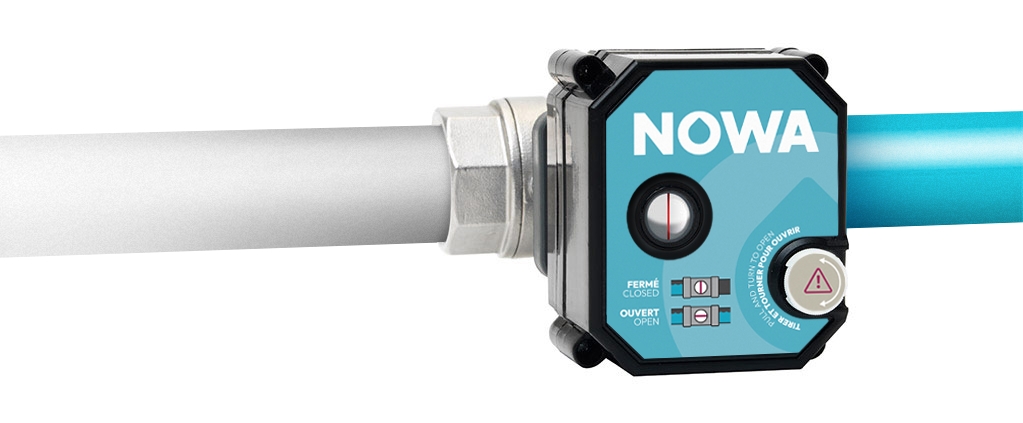
Emerging technologies like smart home devices can help detect leaks early, significantly reducing damage. Insurers are beginning to adapt their policies to accommodate these referrals, often offering discounts for homes equipped with such technology. Staying updated with these trends can provide opportunities for savings and better protection.