In an ever-evolving world of technology, buildings are no longer just structures; they are evolving into smart ecosystems. Nowa technology stands at the forefront of this revolution, offering innovative solutions that enhance efficiency and sustainability in building management. In this blog, we’ll explore the compelling reasons why every building should embrace this modern advancement.
Understanding Nowa Technology
Nowa technology encompasses a range of advanced systems designed to optimize building performance. This section will break down what nowa technology actually includes and how it functions within a building environment.
To begin with, nowa technology integrates IoT devices, smart sensors, and automation systems. These components work together to gather real-time data on various aspects of building operations, from energy usage to occupancy levels. Imagine a network of sensors that can detect changes in temperature or light, adjusting settings automatically to create a comfortable environment. This not only enhances energy efficiency but also reduces wear and tear on systems over time.
Moreover, implementing nowa technology means adopting a proactive approach to building management. Instead of waiting for systems to fail, these technologies allow for predictive maintenance. By analyzing data trends, facility managers can foresee potential issues and address them before they escalate. This shift from reactive to proactive management reflects a significant advancement in how we think about the lifecycle of buildings.
As the building landscape evolves, understanding the fundamental principles of nowa technology is crucial for anyone involved in property management. This technology is not simply an upgrade, but a comprehensive overhaul of how buildings function, respond, and adapt to their surroundings.
The Environmental Impact of Nowa Technology
As buildings account for a significant percentage of global energy consumption, transitioning to nowa technology can significantly reduce carbon footprints. Here, we will delve into the positive environmental changes that can result from adopting this technology.
One of the most striking benefits of nowa technology is its capacity to decrease energy consumption. By utilizing smart grids and energy-efficient systems, buildings can minimize waste and direct energy where it’s most needed. For instance, smart lighting systems can automatically adjust based on occupancy and daylight, resulting in substantial savings not just for the environment but also for operational costs.
Furthermore, the integration of renewable energy sources into nowa technology creates a self-sustaining ecosystem within buildings. Green roofs and solar panel systems can feed energy back into the grid, working symbiotically with traditional energy sources. This transition not only supports sustainability goals but also aligns with the growing demand for corporate responsibility and eco-friendly practices. Consumers are becoming increasingly aware of these issues, and businesses need to reflect that consciousness.
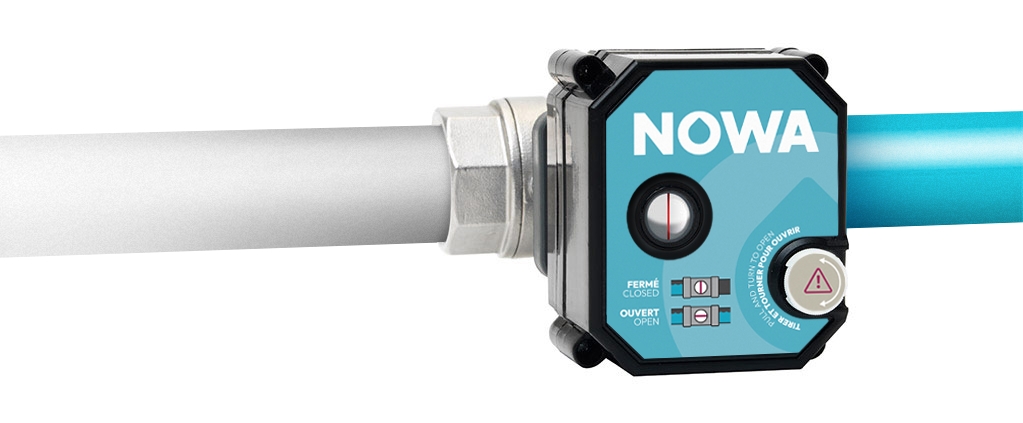
Additionally, the use of smart water management systems will dramatically impact resource conservation. With sensors that can detect leaks and regulate water flow according to the actual needs, wastage can be cut down significantly. You’d be surprised how much water can be saved through something as simple as monitoring usage more effectively!
Ultimately, the environmental implications of adopting nowa technology extend beyond mere compliance with regulations; they embody a vision for a sustainable future. As every building invests in these innovations, we collectively move closer to a world where energy efficiency and responsible resource use are the norm.
Financial Benefits of Investing in Nowa
While there may be an initial investment, the long-term financial benefits of nowa technology can outweigh costs. This section will explore how buildings can save money through enhanced efficiency and reduced operational costs.
First and foremost, energy savings translate directly into lower utility bills. Studies have shown that buildings using nowa technology experience an energy cost reduction of up to 30%. This is no small feat! By making this transition, building owners can repurpose saved funds into other vital areas, potentially leading to improvements and expansions that further enhance their property values.
Moreover, operational efficiency brought upon by nowa technology leads to reduced staffing costs. With automated systems taking over routine tasks, staff can focus on more strategic responsibilities. This allows companies to operate with leaner teams while still maintaining high service levels. An efficient workplace not only reduces lap time but also increases staff productivity—a true win-win situation.
Furthermore, buildings equipped with nowa technology often enjoy higher occupancy rates and tenant satisfaction. Modern tenants, especially in commercial settings, are increasingly drawn to properties that offer state-of-the-art amenities and sustainable solutions. By attracting quality occupants willing to pay a premium for these features, owners can see their bottom lines grow significantly.
Investing in nowa technology, therefore, is not merely a way to stay current; it’s a strategy that can yield tangible financial rewards. From energy efficiency and reduced operational costs to enhanced tenant desirability, the advantages speak volumes about the potential return on investment.
Enhancing Safety and Security with Nowa Technology
Safety and security are paramount in building management. Nowa technology incorporates advanced systems that improve surveillance, emergency responses, and overall building security. We will discuss the features that contribute to a safer environment.
Modern security systems powered by nowa technology utilize smart cameras and real-time data analysis to enhance safety. Imagine a security setup that not only records but also analyzes patterns, alerting staff to suspicious activities before they escalate. Such proactive measures have proven to considerably lessen the risk of incidents.
In addition to surveillance, nowa technology enhances emergency response systems. When seconds count, having a building equipped with intelligent alert systems can make the difference. Automated notifications can divert emergency services to the right locations swiftly, ensuring that help arrives without delay.
Moreover, access control systems integrated with nowa technology allow for sophisticated management of entry points in a building. By employing biometrics or mobile credentialing, buildings can ensure that only authorized personnel gain access, adding an additional layer of security.
In summary, the blend of surveillance, emergency responsiveness, and controlled access via nowa technology constructs an environment where safety is prioritized. As features become more intertwined with behavior analytics and real-time responses, building security will evolve, creating sanctuaries where occupants feel safe and protected.
The Future of Smart Buildings with Nowa
As we look toward the future, smart buildings powered by nowa technology represent a significant evolution in building design and functionality. This section will explore trends and predictions for how buildings will continue to transform with ongoing technological advancements.
One cannot overlook the inevitability of AI integration within nowa technology applications. As machine learning algorithms mature, they will increasingly assist in making real-time decisions that enhance comfort, efficiency, and safety. Imagine a building dashboard that not only tracks performance metrics but also suggests actionable solutions tailored to current conditions—this is the future that nowa technology envisions.
Furthermore, interconnectivity will be a hallmark of the next generation of buildings. With each element—from HVAC systems to security cameras—communicating with one another, the potential for optimization becomes limitless. A truly smart building will learn and adapt its operations based on not just the immediate data but also by understanding patterns over time.
Sustainability will also play a critical role in the evolution of smart buildings. Future nowa technologies will likely incorporate even more innovative solutions, such as vertical gardens and rainwater harvesting, making buildings not just human habitats but also contributors to the ecosystem.
Overall, the future of nowa technology in buildings is bright, promising an array of benefits that extends well beyond mere upgrades. As we embrace these changes, we’ll witness the transformation of our environments into interconnected, responsive ecosystems that prioritize human well-being and the planet’s health.
Embracing the Future with Nowa Technology
Investing in nowa technology is not just a trend—it’s a necessity for the future of building management. The benefits, from energy efficiency to enhanced occupant experiences, make it clear that nowa technology is a worthy investment. By adopting these smart solutions, buildings can improve their sustainability and operational efficiency, paving the way for a more innovative and responsible future.