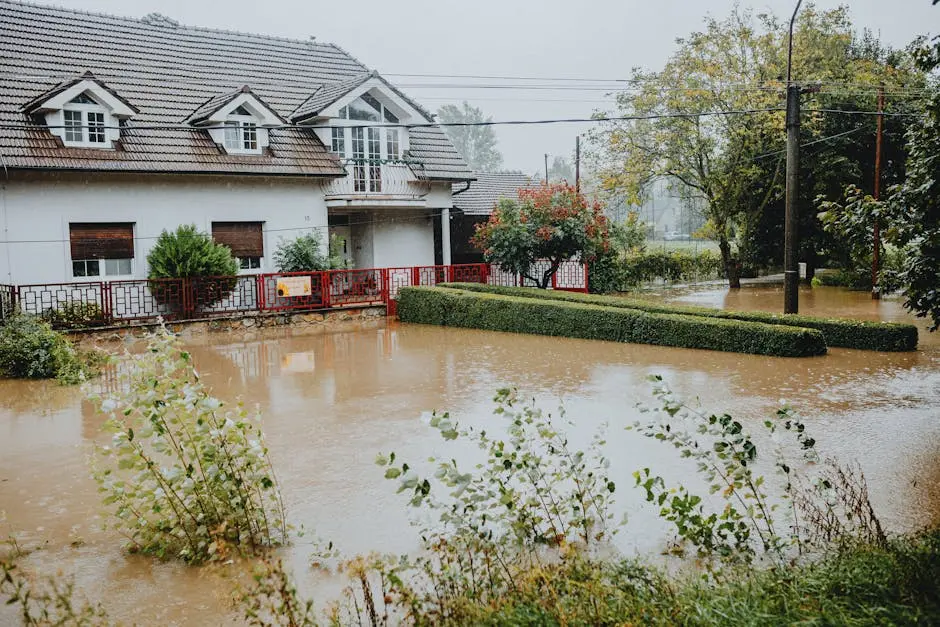
Water damage can be a homeowner’s worst nightmare, leading to significant repairs and potential insurance claims. Fortunately, there are steps you can take to minimize the risk of water damage in your home. In this FAQ, we’ll explore practical strategies to help you prevent insurance claims related to water damage, keeping your home safe and your finances intact.
Assess Your Home’s Vulnerabilities
Identify areas in your home that are prone to water damage, such as basements, roofs, and plumbing systems. Regular inspections can help catch potential issues early.
Look for cracks in your foundation and walls. These can serve as entry points for water, particularly during heavy rains. Addressing these vulnerabilities can prevent water infiltration and avoid future damage.
Don’t overlook your appliances! Washing machines, refrigerators, and water heaters can all leak. Check hoses and connections regularly to avoid unexpected issues.
Finally, consider seasonal checks. Harsh winters and heavy rains can create problems that aren’t apparent during milder months. Seasonal maintenance can keep your home safe year-round.
Maintain Your Plumbing System
Leak detection and repairs on pipes, fixtures, and appliances are essential. Regularly check for leaks and ensure your plumbing is in good condition.
Inspect all visible pipes for corrosion or damage. Even a small leak can lead to significant problems if left unchecked.
Another useful practice is to use your water meter to monitor for leaks. If you notice a spike in usage without a clear cause, it may point to an unseen leak.
Consider scheduling a professional plumbing inspection annually. These experts can pinpoint issues that homeowners may miss and provide solutions to prevent costly repairs down the line.
Install Proper Drainage Solutions
Ensure gutters, downspouts, and drains are clear and functioning properly to redirect water away from your home’s foundation.
Consider extending your downspouts at least three to four feet away from your foundation. This simple adjustment can redirect a significant amount of water away from your home.
Strong storms can overwhelm poor drainage systems. Regularly clean gutters to ensure they are not blocked by leaves or debris, as this will help prevent overflow and potential roof damage.
Finally, investing in a sump pump can be beneficial. If you’re in a flood-prone area, a sump pump can remove excess water and keep your basement dry.
Invest in Water Detection Technology
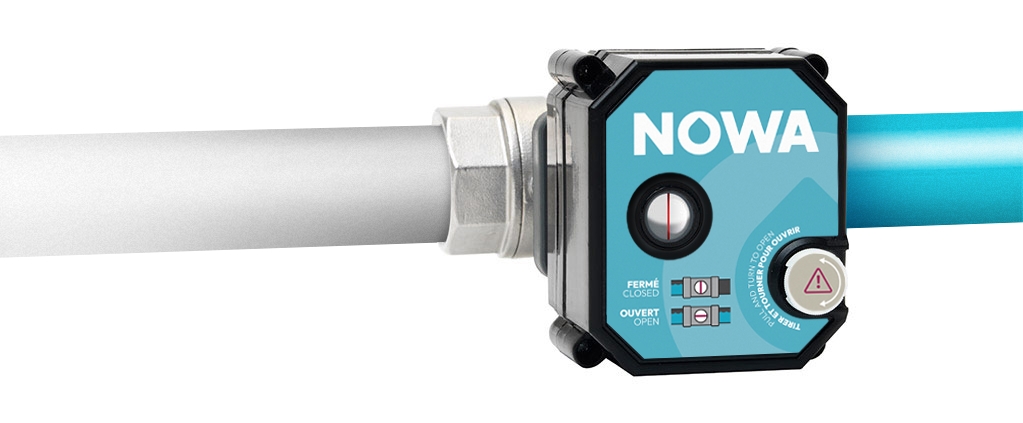
Utilizing water sensors and alarms can alert you to leaks or flooding immediately, allowing for quicker response times to prevent damage.
These devices can be placed in strategic locations such as near your water heater or under sinks. When they detect moisture, they send alerts to your phone, helping you act swiftly.
Upgrading to smart home technology can increase your monitoring abilities significantly. Many modern systems can integrate water detection with your home security, providing comprehensive protection.
Additionally, consider installing moisture barriers in critical areas, such as basements. This can act as a preventative measure, working alongside your detection technology.
Create a Water Damage Action Plan
Have a plan in place for what to do in case of water damage. Know whom to call and what steps to take to mitigate further damage.
Document your home’s layout and where the shut-off valves are located. In the event of a leak, knowing how to quickly turn off the water supply can save you from extensive damage.
Additionally, keep an updated contact list that includes your insurance agent, a trusted plumber, and a restoration company. Quick action can often prevent a claim by mitigating damage before it worsens.
Finally, practice your plan. Conduct drills with your family so everyone knows their role, which can be crucial in the chaotic moments following a water event.
Final Thoughts on Preventing Water Damage
By implementing these proactive measures, you can significantly reduce the risk of water damage in your home. Regular maintenance and vigilance are key to protecting your investment and avoiding costly insurance claims.