
If you're managing properties in Vancouver, you already know that winter brings more than just rain. Those occasional cold snaps? They're the silent killers of plumbing systems. One night at -5°C and you could be dealing with burst pipes, flooded units, and insurance claims that make your stomach drop.
The good news? You don't need to lose sleep over it anymore. Freeze alert sensors are your first line of defense against catastrophic pipe bursts: and they're way simpler than you might think.
What Exactly Is a Freeze Alert Sensor?
Think of it as a digital watchdog for your building's temperature. A freeze alert sensor combines a temperature probe with smart communication tech that sends you instant notifications when things get dangerously cold. No walking the property at 3 AM. No guessing if that vacant unit on the north side is warm enough.

These devices monitor ambient temperature 24/7 and fire off alerts via text, email, or app notification the moment conditions approach freezing. For property managers juggling multiple buildings, it's like having eyes on every vulnerable pipe: without the payroll.
The Magic Number: Why 5°C Alerts Save Your Pipes
Here's where the science gets practical. Water freezes at 0°C, right? But pipes don't burst the instant water turns to ice. The real danger happens during the expansion process: and that starts before you hit freezing.
Most professional-grade freeze alert sensors trigger warnings around 5°C (41°F). Why that specific temperature?
Because it gives you a critical window to act. Pipes in exterior walls, unheated crawl spaces, or poorly insulated areas can approach freezing faster than you'd expect. By the time you get an alert at 5°C, you've got time to:
- Dispatch someone to check the heating system
- Shut off water to vulnerable areas
- Add temporary heat sources
- Insulate exposed pipes
That buffer zone between 5°C and 0°C is your golden opportunity to prevent disaster. Once ice forms and expands inside a pipe, you're already looking at potential ruptures and thousands in damage.
How Freeze Alert Sensors Actually Work
No engineering degree required: these devices are refreshingly straightforward.
The sensor itself is a small unit (usually about the size of a smoke detector) that you mount in temperature-sensitive areas: mechanical rooms, laundry facilities, vacant units, or anywhere pipes run through unheated spaces.
The brain is a microprocessor that constantly compares the current temperature against your customized threshold. Set it to 5°C, 4°C, or even 7°C depending on how cautious you want to be.
The communication module kicks in when trouble's brewing. Modern sensors use WiFi, cellular networks, or building management system integrations to blast alerts to whoever needs to know. You're at a property across town? No problem. On vacation? Still covered.
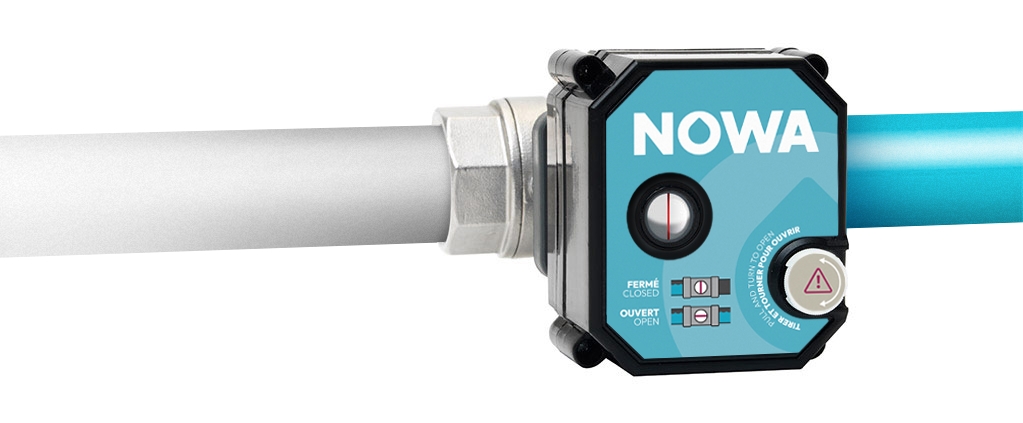
Some advanced models even integrate with automatic water shut-off valves: so if temperatures plummet and nobody's available to respond, the system can isolate water supply to at-risk zones automatically. Now we're talking about a complete water leak detection system that works while you sleep.

Why Vancouver Property Managers Can't Skip This
Vancouver winters are deceptive. Sure, we're not Winnipeg: but those surprise freezes catch people off guard every single year. You've got:
- Heritage buildings with sketchy insulation and ancient plumbing
- High-rises where mechanical rooms sit on exposed rooftops
- Vacation rentals that sit empty for weeks during ski season
- Commercial properties where HVAC failures happen after hours
A single burst pipe in a multi-unit building can cause cascading damage through multiple floors. We're talking $15,000 to $50,000 in repairs, displacement costs, mold remediation, and insurance headaches. Meanwhile, a quality freeze alert sensor runs you a few hundred bucks and maybe $10/month in monitoring fees.
The math isn't even close.
Beyond Freeze Protection: Multi-Function Monitoring
Here's where freeze alert sensors get even better. Most don't just watch temperature: they're part of a broader water leak detection system that monitors multiple threats simultaneously.
Quality sensors also track:
- Humidity levels – Early warning for hidden leaks or condensation issues
- Power failures – Because when the heat goes out, pipes aren't far behind
- Water presence – Actual leak detection via floor sensors or moisture probes
This means one device can flag a leaking water heater, a failed sump pump, and dangerous temperature drops. It's comprehensive protection that actually makes your job easier instead of adding another system to babysit.

What to Look for When Shopping
Not all freeze alert sensors are created equal. When you're evaluating options for your properties, prioritize these features:
Adjustable temperature thresholds – You want control over when alerts fire. A basement storage room might be fine at 3°C, but a unit with elderly tenants needs warnings at 7°C.
Reliable communication – WiFi is convenient, but cellular backup matters when internet goes down. Some sensors offer both.
Battery backup – Power outages often coincide with cold snaps. Your sensor should keep working even when the lights don't.
Multiple notification contacts – Alerts should reach you, your maintenance team, and a backup contact simultaneously.
Easy installation – If you need an electrician and three permits just to mount the thing, it's not the right solution.
Integration capability – Bonus points if it plays nice with your existing building management software or security system.
Real-World Implementation Tips
Installing freeze alert sensors isn't rocket science, but smart placement matters. Focus on these high-risk zones first:
- Mechanical rooms and boiler areas
- Exterior walls, especially north-facing
- Unheated parking garages with overhead plumbing
- Attics and crawl spaces
- Vacant units or seasonal rentals
- Pipe chases and utility closets
For multi-building portfolios, cloud-based monitoring dashboards let you see temperature status across every property from one screen. You can spot patterns (like one building consistently running colder than others) and address insulation issues before they become emergencies.
And here's a pro move: combine freeze alert sensors with routine winterization protocols. Your sensors are the safety net, but proper insulation, pipe heat tape, and preventive maintenance are still your first defense.
The Bottom Line for Property Managers
Freeze alert sensors aren't sexy technology: but they're stupidly effective. For a minimal investment, you get:
- Round-the-clock monitoring of temperature-sensitive areas
- Early warnings at the critical 5°C threshold before pipes burst
- Integration with comprehensive water leak detection systems
- Dramatic reduction in winter damage claims
- Peace of mind that your buildings are protected even when you're not on-site
Vancouver's climate might be mild compared to the prairies, but we still get those nasty cold snaps. And when they hit, the difference between a $500 sensor installation and a $30,000 insurance claim is about 48 hours of frozen misery.
You've already got enough to worry about: tenant complaints, maintenance requests, budget meetings. Let a freeze alert sensor handle the 3 AM wake-up calls about burst pipes.
Ready to Protect Your Properties This Winter?
Don't wait for the next cold snap to test your luck. Whether you're managing a single high-rise or a portfolio of commercial buildings, Leak Logic Canada has the freeze alert sensors and complete water leak detection systems to keep your properties safe year-round.
Our team understands Vancouver's unique climate challenges and can design a monitoring solution tailored to your buildings. From sensor selection and installation to ongoing monitoring and maintenance, we've got you covered.
Call Leak Logic Canada today for more information and find out how affordable comprehensive freeze protection really is. Your pipes: and your budget( will thank you.)