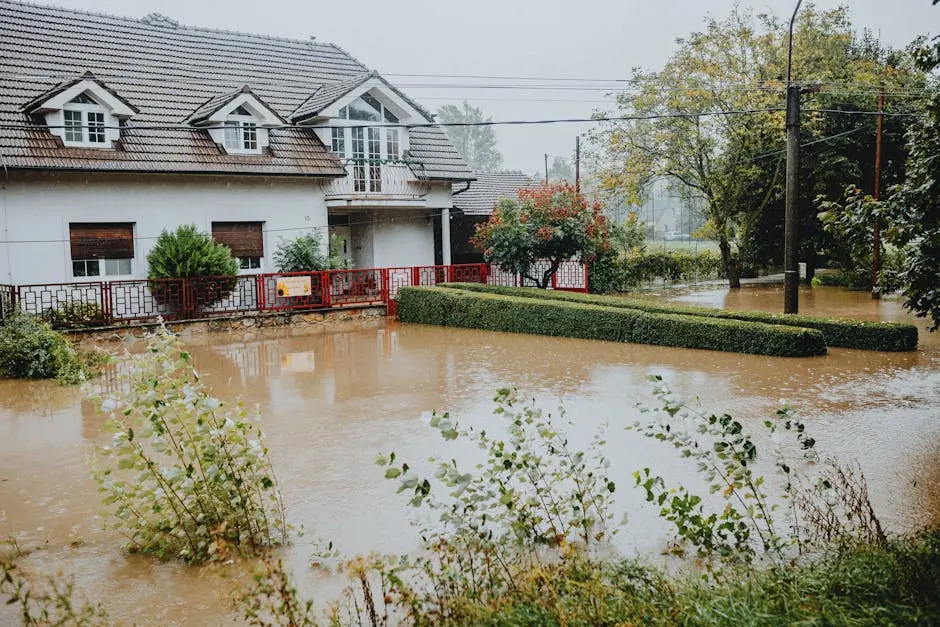
Water damage can be a homeowner’s nightmare, leading to costly repairs and frustrating insurance claims. Fortunately, with the right strategies in place, you can significantly reduce the risk of water damage in your home. In this blog post, we’ll explore effective methods to safeguard your property and avoid those dreaded insurance claims.
Understanding Water Damage and Its Causes
Before we dive into prevention strategies, it’s essential to understand what causes water damage. From burst pipes and heavy rains to faulty appliances and poor drainage, knowing the culprits can help you identify where to focus your efforts.
One of the most common causes of water damage is related to internal plumbing issues. Leaky faucets, worn-out washers, and even disconnected hoses can lead to significant water loss and damage over time. Not to mention the potential for mold growth in damp settings, which can pose health risks.
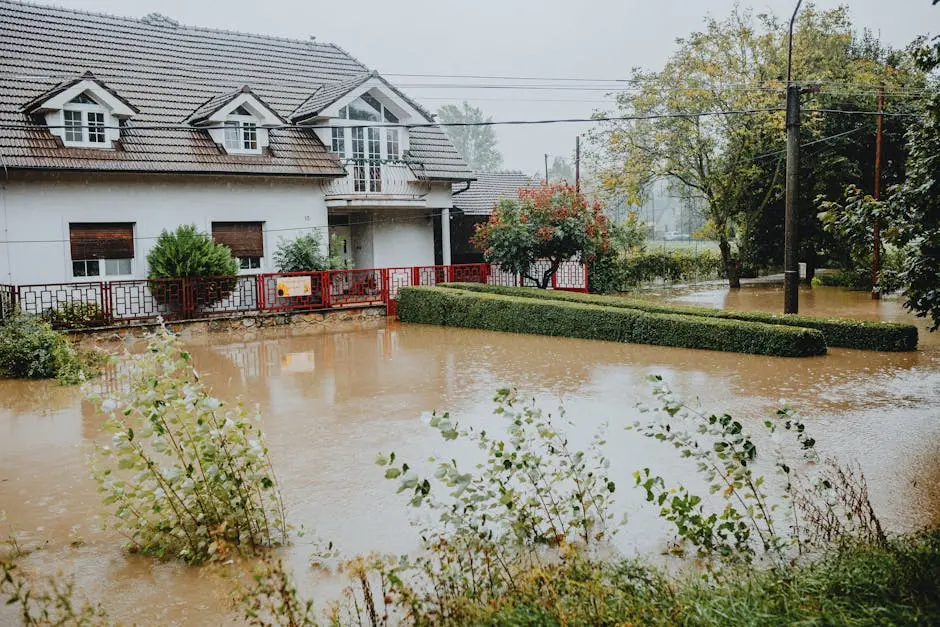
External factors play a pivotal role too. For instance, heavy storms can overwhelm your drainage systems, resulting in water pooling around your home’s foundation. Understanding these factors allows you to take preemptive measures, reinforcing areas most susceptible to water encroachment.
Regular Maintenance Checks: A Proactive Approach
Routine maintenance is your first line of defense against water damage. Scheduling regular inspections of your plumbing system, roof, and gutters can help you spot issues before they escalate. These simple yet effective checks can often mean the difference between a small repair and a significant renovation.
Make it a habit to check your roof for missing shingles or tiles, as these can allow water to seep through during heavy rain. Additionally, clearing out your gutters regularly will prevent blockages that can lead to overflow, ultimately directing water towards vulnerable parts of your home.
It’s also wise to inspect your appliances regularly. Washing machines, dishwashers, and refrigerators can develop leaks, and identifying these issues promptly can save you from extensive water damage.
Investing in Quality Materials and Repairs
When it comes to repairs and renovations, investing in high-quality materials can save you from future headaches. Explore options like water-resistant materials and reliable plumbing fixtures that can withstand wear and tear. Cheaper alternatives may seem appealing, but they often lead to higher long-term costs due to frequent repairs.
For instance, when selecting paint for your bathroom or basement, consider moisture-resistant varieties that will stand up to high humidity levels. Similarly, use high-grade caulking around bathtubs and sinks to prevent moisture from infiltrating surrounding areas.
Quality matters not just during installation, but also during maintenance. Make sure to consider the reputation of contractors and materials you choose as their impact can last for years. This wise spending can actually help you avoid hefty insurance claims down the line.
Installing and Maintaining Drainage Systems
Good drainage is crucial in preventing water accumulation around your home. Learn about installing French drains, sump pumps, and proper grading to keep water away from your foundation. These systems work together to ensure that any excess water is efficiently diverted away from your living space.
Regularly maintaining these systems is just as important as the initial installation. Debris can easily accumulate in drains and gutters, causing clogs that lead to water pooling. Schedule seasonal cleanings, so these components function smoothly throughout the year.
Additionally, be proactive in addressing any signs of drainage issues, such as standing water in your yard or slow drainage in sinks. Timely measures can prevent these minor concerns from growing into larger and costlier water damage problems.
Being Smart with Landscaping Choices
Your yard can impact how water flows around your home. Opt for landscaping that directs water flow away and consider adding plants that can absorb excess moisture. This kind of strategic planning can act as a safeguard against potential flooding.
Planting trees and shrubs with deep root systems can help stabilize the soil while capturing excess water. On the other hand, avoid planting too close to your home, as tree roots can potentially disturb your foundation and plumbing systems.
Using raised beds can also assist in managing water runoff, allowing rainwater to flow naturally away from your foundation. Landscape fabric and mulch can further aid in preventing water retention in unwanted areas, contributing to a more resilient home environment.
Utilizing Smart Home Technology to Monitor Water Leaks
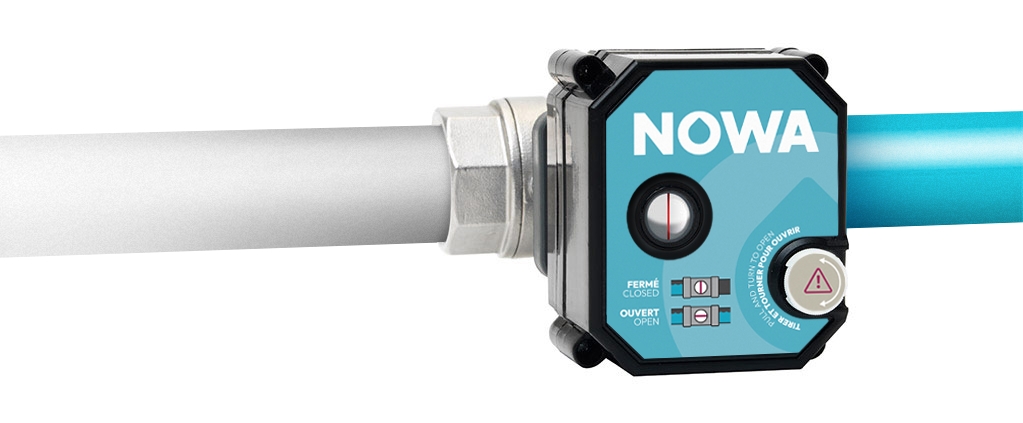
Smart technology can be a game-changer in water damage prevention. Explore devices that monitor for leaks, track humidity levels, and alert you to potential problems before they become disasters. These innovative systems often come equipped with advanced sensors that immediately send notifications to your smartphone.
Consider installing a smart water leak detector near your washing machine or under your kitchen sink. Such devices provide an early warning system, allowing you to act quickly and potentially save thousands in repairs.
In addition to leak detection, smart solutions can even monitor the humidity in your home and assist in maintaining optimal levels. By preventing excessive moisture, you can further deter mold growth and create a healthier living environment.
What to Do If Water Damage Occurs
Despite taking precautions, water damage can still happen. Knowing the steps to take immediately following a leak or flood can mitigate the damage and assist in the claims process. The faster you respond, the less extensive the damage will be.
Start by shutting off the source of water, if possible. This quick action can stall further damage from spreading. Then focus on removing any standing water and drying out the affected areas as soon as possible, using towels, buckets, or wet-dry vacuums.
Document the damage thoroughly. Take pictures for your records, as these will be vital for filing any insurance claims. Prompt and accurate documentation can help streamline the claims process and ensure you receive due compensation.
Protect Your Home and Peace of Mind
By implementing these strategies, you can protect your home from water damage and save yourself from the hassle of dealing with insurance claims. Regular maintenance and proactive measures are key in ensuring your home remains safe and dry.