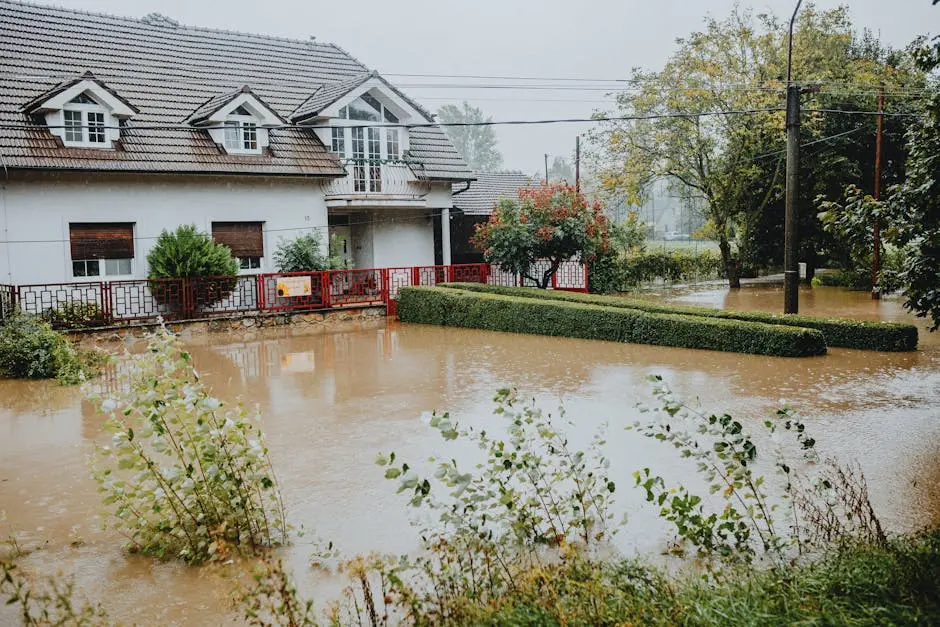
Water damage can be a homeowner’s worst nightmare, leading to costly repairs and long-lasting issues. Unfortunately, many people make common mistakes that exacerbate the problem or make prevention more difficult. In this article, we’ll explore some of these mistakes and provide simple tips on how to avoid them, ensuring your home stays dry and safe.
1. Neglecting Gutters and Downspouts
Clogged gutters can lead to water overflow and damage your roof and foundation. This simple oversight can create a cascade of issues, particularly during heavy rains. Debris, leaves, and dirt accumulate in gutters over time, turning them into potential reservoirs. When these gutters fail, water spills over the sides and runs down the sides of your home, eroding the soil and possibly leading to basement flooding. Make it a habit to check your gutters at least twice a year, and ideally more frequently during seasons of heavy rainfall, to avoid this common pitfall.
Moreover, downspouts must also be positioned correctly. It’s best to direct water at least three to four feet away from your foundation. This distance makes a significant difference in preventing water from pooling. If you notice that water still collects near your foundation after a heavy rain, it may be time for a reevaluation of your gutter system and downspout layout.
2. Ignoring Signs of Leaks
Small leaks can turn into major issues if not addressed promptly. A tiny drip from a faucet might seem innocuous, but if left unchecked, it could lead to mold growth and structural damage. Conversely, water spots on ceilings may indicate more significant problems overhead. Always investigate any unexplained dampness or discoloration. Fortunately, spotting these signs early can empower you to take corrective action before the situation worsens. Keeping a detailed eye on your plumbing and insulation will go a long way in ensuring your water damage prevention efforts are successful.
Another crucial point is frequently checking areas prone to leaks such as under sinks or near appliances. If you notice a continuous smell of moisture or mold, you may be dealing with hidden leaks. Addressing these leaks promptly can significantly reduce your risk of severe water damage.
3. Improper Slope of Yard
Your yard should slope away from your home to prevent water pooling near the foundation. A flat or even sloped yard can trap water along your foundation, increasing the risk of basement flooding. To promote efficient drainage, aim for a slight slope—ideally a one-inch drop for every four feet—moving away from your house. If your yard is already sloped incorrectly, consider regrading the area or adding French drains to improve flow.
Adding organic materials like mulch can also assist in encouraging proper drainage and absorption, preventing water buildup that could potentially seep into your home.
4. Not Checking Hose Connections
Loose or damaged connections can lead to leaks, particularly in washing machines and dishwashers. It may be tempting to overlook these small components, but regular checks on hoses and appliances can prevent unexpected flooding. A simple look for cracks or fraying in hoses can save you significant distress down the line. Make this inspection a part of your routine home maintenance schedule.
Moreover, ensure you turn off the hoses when not in use. Leaving them connected, especially during winter months, invites the risk of freezing and bursting—leading to costly repairs and inconvenience. Always prioritize this simple action as part of your water damage prevention strategy.
5. Failing to Insulate Pipes
Uninsulated pipes in unheated areas are prone to freezing and bursting. When the temperature drops, the water inside can expand, leading to cracks or breaks that release large volumes of water in a very short time. This can be devastating, especially if the bursts occur when no one is home. Insulating pipes in crawl spaces, attics, and garages is vital during colder months.
Furthermore, keeping your home heated during winter can also help in protecting your plumbing from the effects of extremely low temperatures. Consider leaving cabinet doors open to allow warm air to circulate around plumbing in kitchens and baths, particularly if you’re going away for an extended period.
6. Overlooking Roof Damage
Regularly inspecting your roof can help catch problems before they lead to leaks. Missing shingles, debris accumulation, or signs of wear can create vulnerabilities that invite water into your home. It’s advisable to examine your roof twice a year and after severe storms. Look for dark spots, mold growth, or bent flashing that might signal trouble.
If you’re not comfortable on a roof, hiring a professional inspector is a wise investment. They have the expertise to identify potential issues you might overlook and can maintain the integrity of your roof over time.
7. Ignoring the Importance of Sealing
Sealing cracks and gaps can prevent water intrusion. Over time, wear and settlements can create small openings in your foundation or walls, providing entry points for moisture. Regularly inspect caulk around windows and doors, as well as joints and seams in your home. Ensuring that your property is properly sealed is a fundamental aspect of comprehensive water damage prevention.
Additionally, using high-quality sealant materials designed for outdoor use can significantly extend the life of these seals. When applying, pay extra attention to areas where water is likely to pool, as these are particularly vulnerable to breakdown.
8. Forgetting About the Sump Pump
Regular maintenance and testing of your sump pump ensure it can handle water flow during storms. A sump pump is a critical tool in keeping your basement dry, particularly in flood-prone areas. However, even the best pumps can fail without proper upkeep. Begin by checking your sump pump every couple of months and after heavy rains to ensure it’s functioning properly. Make a habit of removing any debris from the pump and testing its operation. Routine checks can catch minor failures before they become costly disasters.
Moreover, consider investing in a battery backup system for your sump pump. In the event of a power outage during a storm, this will ensure that your basement remains protected, even when the conventional pump cannot operate.
9. Not Using Water Sensors
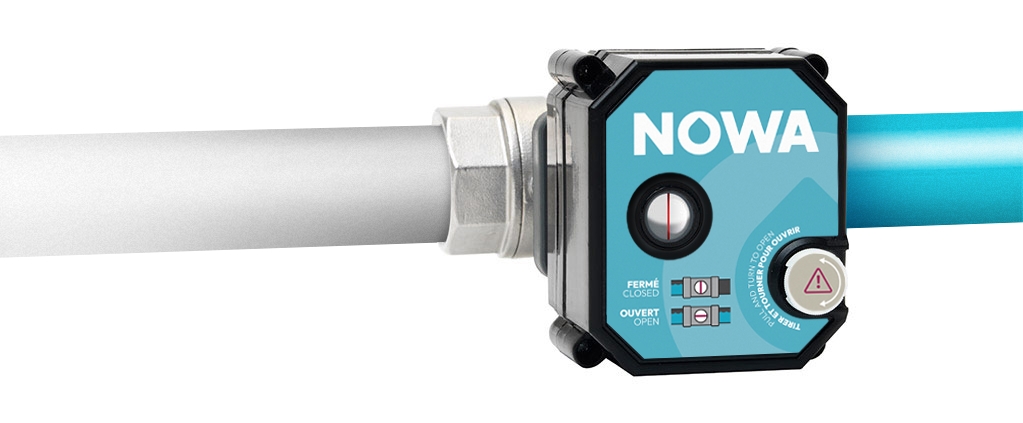
Water sensors can detect leaks early, allowing for swift action. Placing these devices in high-risk areas, such as under your sink or near appliances, can provide real-time monitoring to alert you of moisture before it becomes a larger issue. The peace of mind these sensors bring is invaluable, empowering you to address potential leaks immediately. Smart water leak detectors can even send notifications to your phone, ensuring you’re always in the loop.
In addition, consider integrating these devices into your smart home system for enhanced monitoring. This way, you can feel confident that your home is protected against even the smallest leaks, safeguarding your investment.
10. Neglecting Landscaping Choices
Planting trees too close to the house can lead to root damage and drainage issues. While greenery enhances your home’s curb appeal, the proximity of trees can cause significant complications, especially when their roots invade drainage lines. Opt for plants that thrive at a safe distance from your home’s foundation, understanding their growth patterns to ensure they won’t pose issues in the long run.
Incorporating native plants can also reduce the need for extensive watering, helping to minimize excess moisture around your property. Learning about the best landscaping practices in your area can play a pivotal role in your water damage prevention strategy.
11. Ignoring Appliance Maintenance
Neglecting appliances like water heaters can lead to leaks and flooding. Regularly scheduled maintenance on these appliances is vital not just for their efficiency but also for preventing potential disasters. Look out for rust, leaks, and unusual noises that may indicate a problem brewing and should be dealt with promptly.
Don’t forget to flush your water heater at least once a year to prevent sediment build-up, which can cause inefficient heating and leaks over time. Also, check the hoses and connections for signs of wear so you can catch issues before they escalate into costly repairs.
12. Not Installing a Backflow Preventer
This device can prevent sewage from flowing back into your home. A backflow preventer can save you from the horror of sewage backups—a mess that’s not only unpleasant but also hazardous to your health. Outdated or incorrectly installed systems may not offer adequate protection. Investing in a quality backflow preventer is a small act that can save you from a mountain of trouble down the line.
Seek professional installation to ensure it meets local codes and operates effectively. Regular testing of your backflow system is also essential to maintain its integrity and functionality.
13. Underestimating Flood Risks
It’s important to assess your area’s flood risk and take necessary precautions. Many homeowners are unaware of their property’s vulnerability to flooding, often until it’s too late. Researching your local flood history and obtaining an elevation certificate can help you understand your risk level. If you live in a flood zone, consider flood insurance as a strong line of defense against potential disasters.
Additionally, investing in flood barriers or other protective measures can mitigate potential damage to your property. Staying informed about weather alerts and climate patterns can also help you prepare for severe weather ahead and act accordingly.
14. Postponing Repairs
Addressing repairs immediately can save you time and money in the long run. Ignoring small issues initially only tends to inflate costs as they grow larger. Leaky faucets or missing shingles may appear trivial, but they can create cascading problems, ultimately resulting in extensive damage that’s expensive to repair. It’s always better to be proactive than reactive; tackle repairs as soon as you notice something amiss.
Creating a home repair checklist and committing to regular property inspections can prevent small problems from snowballing into major headaches. Prevention is often the best cure!
15. Neglecting Professional Inspections
Regular inspections by professionals can help identify hidden issues before they escalate. While you can do many checks on your own, certain aspects of home maintenance are best left to trained experts. They are equipped to recognize signs of water damage that may go unnoticed by the untrained eye. Plan for seasonal inspections—especially before winter or the rainy season—to catch vulnerabilities early.
These preventive measures will significantly enhance your home’s resilience against water damage, saving you headaches, time, and money in the long run. In collaboration with professionals, you can ensure your home remains a safe place, free from the dangers posed by water.