
For property managers and strata councils in Metro Vancouver, the word "leak" is usually followed by a series of expensive headaches: insurance claims, massive deductibles, and months of restoration. As insurance premiums continue to climb across the Lower Mainland, buildings are looking for more than just a repair service: they need a way to stop damage before it starts.
But how does water leak detection work, exactly? Is it just an alarm, or is it a comprehensive defense system for your building’s assets?
Understanding the technology behind modern IoT leak protection is the first step in justifying the investment to your strata council and securing better terms from your insurance provider. Here is a breakdown of how our advanced systems protect high-rise and multi-unit buildings.
How does a water leak detection system actually work?
At its core, a professional-grade leak protection system like the Nowa technology we install at Leak Logic Canada follows a simple, three-step process: Detect, Alert, and Act.
1. Detection: The power of 0.015-inch sensitivity
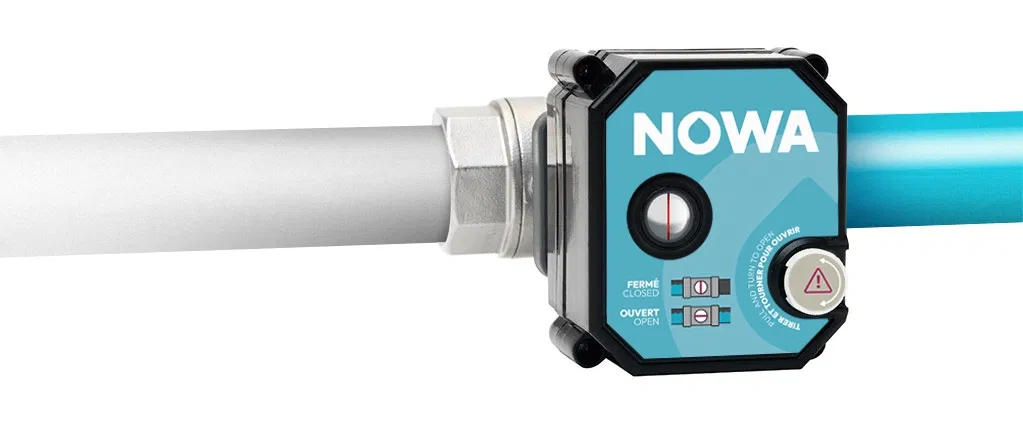
It starts with smart sensors placed in high-risk areas: near dishwashers, washing machines, hot water tanks, and under sinks. Unlike basic retail sensors that might only trigger once a floor is flooded, our sensors are engineered for extreme precision.
Our sensors can detect as little as 0.015 inches of water. To put that in perspective, that is less than the thickness of a few sheets of paper. By catching moisture at this microscopic level, the system identifies a failing pipe or a slow-dripping valve long before it breaks through the ceiling of the unit below.
2. Alert: 24/7 monitoring via LTE
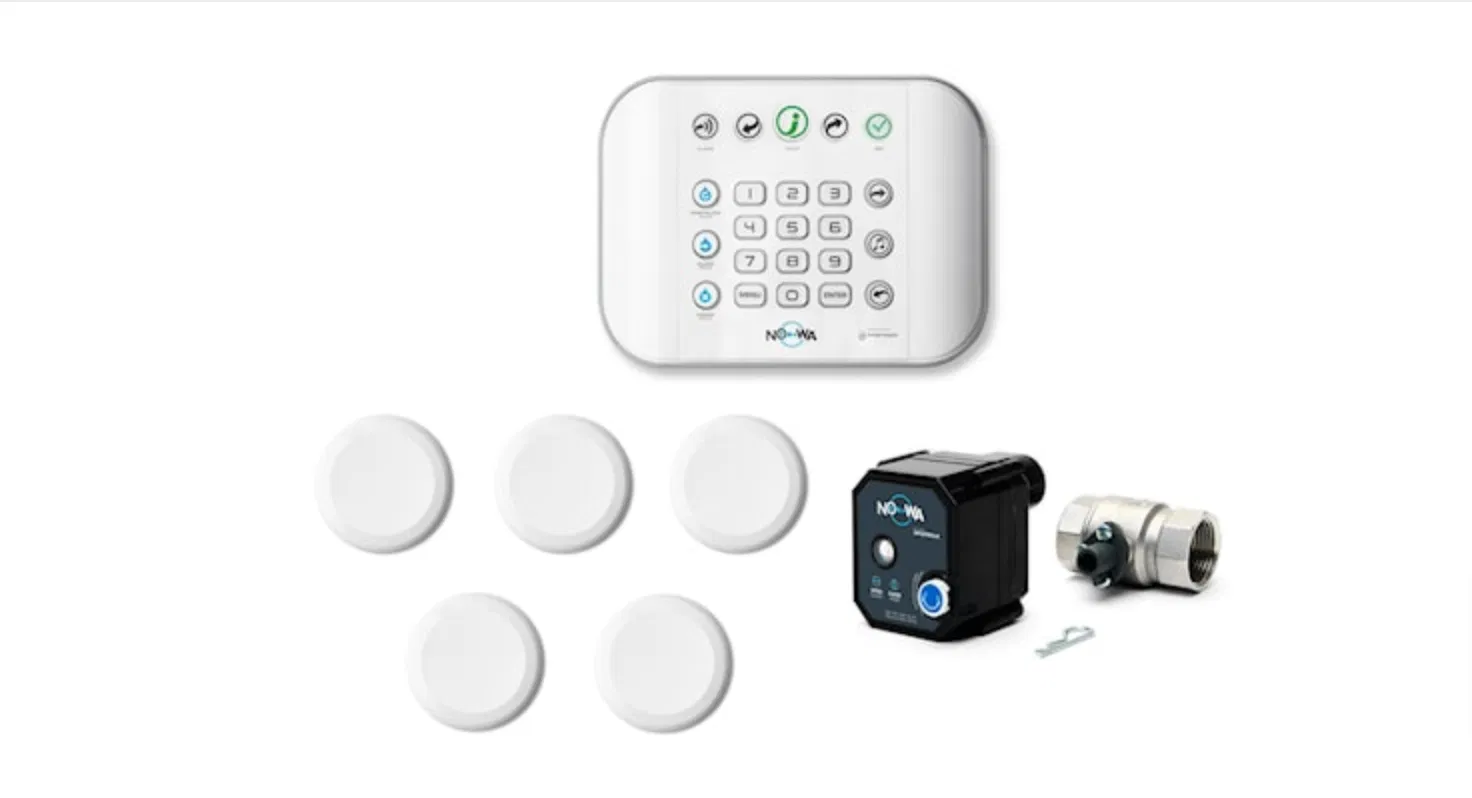
Once the sensor detects water, it communicates instantly with a central control panel. In many older systems, a Wi-Fi failure meant the system was "blind." Our 4S systems utilize LTE connectivity, meaning they remain online and active even if the building’s internet goes down or the power fails.
The system sends real-time alerts via email, text, or app notification to the property manager, building engineer, or the resident. You aren't just notified that there is a leak; you are told exactly where it is.
3. Action: The automatic water shutoff valve
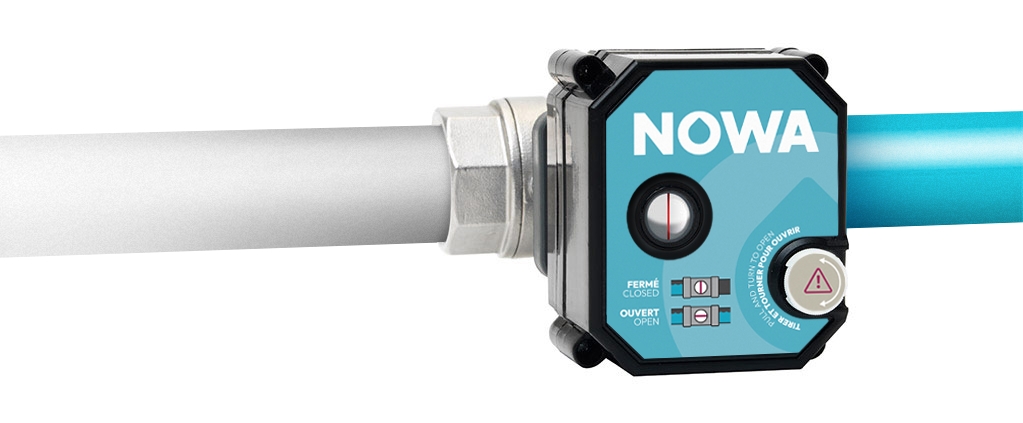
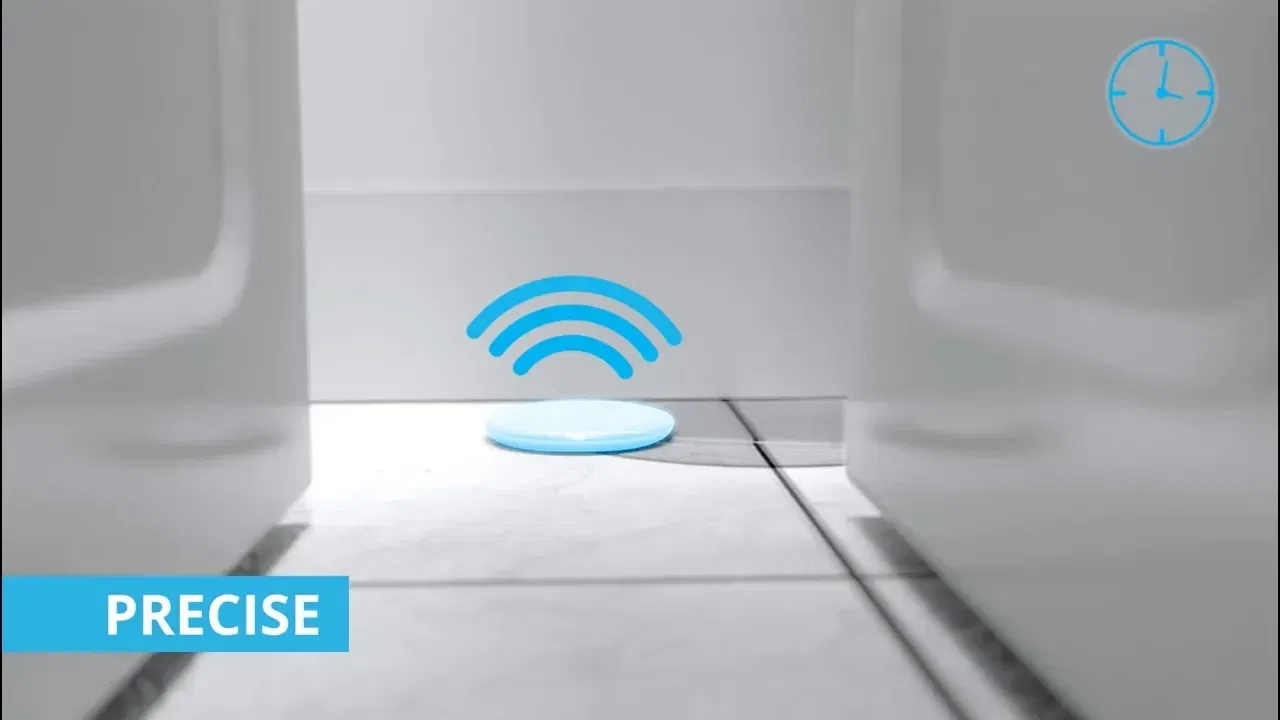
This is the most critical component for reducing insurance liability. Within seconds of detection, the control panel sends a command to an automatic water shutoff valve installed on the main water line of the unit or the zone. The valve closes instantly, stopping the flow of water and preventing a minor drip from becoming a multi-floor catastrophe.
Why the technical details matter for your strata’s ROI
When presenting a leak detection proposal to a strata council, the technical specs aren't just "nerd talk": they are the features that ensure the system actually works when needed.
- Gold-Plated Sensor Probes: Most budget sensors use copper or steel probes that oxidize (rust) over time when exposed to humidity. Once they oxidize, they lose their ability to conduct electricity and fail to detect water. Our sensors use gold-plated probes to prevent oxidation, ensuring 100% reliability for the long term.
- Pinpoint Freeze Detection: In Vancouver, sudden cold snaps can lead to burst pipes in exterior walls or parkades. Our sensors include freeze alerts that trigger when temperatures drop below 5°C, allowing you to intervene before a pipe freezes and cracks.
- Zero False Alarms: Our technology is designed to detect actual liquid water rather than normal humidity variations, reducing "nuisance alarms" that lead to "alert fatigue" for building staff.
How plumbing risks drive insurance costs: Poly B, Kitec, and PEX
If your building was constructed between the late 1970s and the mid-2000s, your insurance provider is likely watching your plumbing very closely.
- Poly B (Polybutylene): Known for failing at fittings, Poly B is a major red flag for insurers. If your building has Poly B, an automatic shutoff system is often the only way to keep your deductibles manageable.
- Kitec: This orange/blue piping is notorious for sudden bursts. Many Vancouver stratas have faced massive "charge-backs" due to Kitec failures.
- PEX: While modern and more reliable, PEX is still subject to installation errors or mechanical failures at the manifold.
Understanding these risks helps you explain to the council that a leak detection system isn't just a "nice-to-have" upgrade: it is a necessary risk-mitigation tool that directly impacts the building's insurability and asset value.
Case Study: 14 Issues in 60 Days
Does it really make a difference? Look at the results from a high-rise in downtown Vancouver. Within just 60 days of installing our Nowa leak protection system, the technology detected and stopped 14 separate water issues.
These ranged from slow-leaking dishwasher hoses to a hot water tank that had begun to fail. Without the 0.015-inch sensitivity and automatic shutoff, several of those 14 incidents could have resulted in significant claims. Instead, they were handled as minor maintenance tasks. The building protected its insurance record and avoided hundreds of thousands of dollars in potential restoration costs.
How understanding the tech helps justify the investment
For an Asset or Facilities Manager, the goal is to shift water damage from an "emergency expense" to a "controlled maintenance" category. When you can prove to an insurer that your building has:
- Instant detection (0.015" sensitivity)
- Guaranteed response (Automatic shutoff)
- 24/7 Connectivity (LTE monitoring)
…you are in a much stronger position to negotiate lower deductibles and premiums. Many insurers in BC now recognize these systems as a "best practice" for high-density living.
Key Takeaways for Property Managers
| Feature | Outcome |
|---|---|
| 0.015" Sensitivity | Catches leaks before they soak through the subfloor. |
| Gold-Plated Probes | Ensures the sensor doesn't fail due to rust/oxidation. |
| Auto Shutoff Valve | Stops the flood instantly, even if no one is home. |
| LTE Monitoring | System stays online during power or Wi-Fi outages. |
| Freeze Alerts (5°C) | Prevents burst pipes during Vancouver winter cold snaps. |
Community Spotlight: Expert Insights for Vancouver Stratas
At Leak Logic Canada, we often see Strata Councils hesitant to spend on technology until after a major claim occurs. Our advice is to look at your "Loss Run" report from your broker. If you see a pattern of "small" $20,000 to $50,000 claims, your building is a prime candidate for a retrofit.
A phased implementation: starting with high-risk stacks or common areas: can often be worked into the annual budget without requiring a special levy, especially when you factor in the long-term insurance savings.
What is the biggest water safety concern in your building? Is it aging Poly B pipes or the risk of a tenant leaving a tap running?
Protect Your Building with Leak Logic Canada
Don't wait for the next "after-hours" emergency call. Whether you are managing a luxury high-rise in Burnaby, a commercial complex in Richmond, or a strata in Coquitlam, Leak Logic Canada provides the advanced IoT solutions you need to safeguard your assets.
We specialize in the sale, installation, and 24/7 monitoring of Nowa Leak Protection Technology across the Lower Mainland. Contact us today for a professional assessment of your building’s risk and discover how we can help you reduce liability and protect your residents.