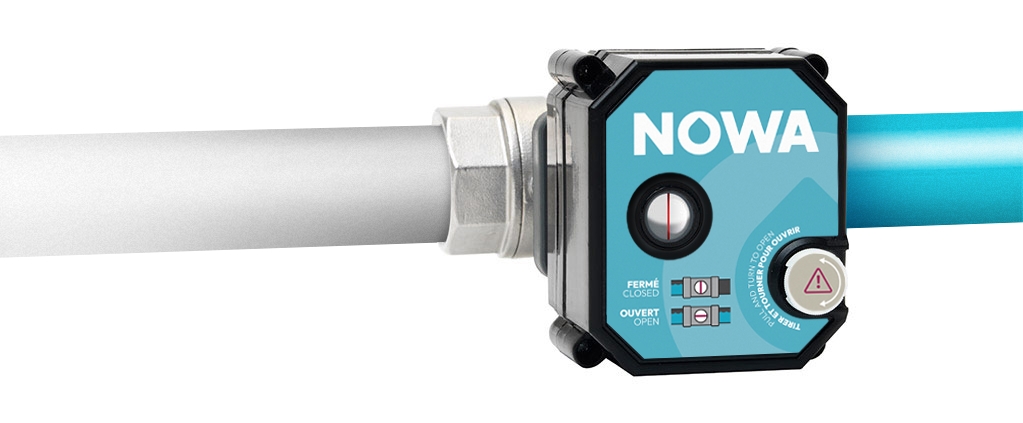

A dripping sound you cannot locate. A water bill that doubled without explanation. A patch of mould spreading across the baseboard even though you cleaned it last week. These are the moments when a Vancouver homeowner realizes something is wrong behind the walls or under the floor. If you suspect a hidden leak, professional water leak detection in Vancouver is the first step to saving your home and your wallet. At Leak Logic Canada, we built our reputation on finding leaks with precision while keeping your drywall, flooring, and foundation intact. This guide walks you through the signs you should never ignore, the technology that makes non-invasive detection possible, what you can expect to pay in 2026, and how to handle the insurance claim that often follows.
Table of Contents
- Is a Hidden Leak Costing You Money? 7 Signs You Need Leak Detection in Vancouver
- How We Find Leaks: Non-Invasive Technology That Saves Your Walls
- How Much Does Water Leak Detection Cost in Vancouver? (2026 Pricing Guide)
- Emergency Leak Detection: 24/7 Service for Burst Pipes and Flooding
- DIY vs. Professional Leak Detection: What You Can (and Can’t) Do Yourself
- Insurance and Leak Detection: Will Your Home Insurance Cover the Cost?
- Frequently Asked Questions About Water Leak Detection in Vancouver
- Book Your Non-Invasive Leak Detection in Vancouver Today
Is a Hidden Leak Costing You Money? 7 Signs You Need Leak Detection in Vancouver
The most obvious red flag lands in your inbox or mailbox every month. An unexplained spike in your water bill, without any change in your household habits, almost always points to a leak you cannot see. Even a pinhole leak in a copper pipe can waste thousands of litres of water over a billing cycle, driving up your utility costs while quietly rotting the structure around it. Hydropro Plumbing has publicly warned that hidden leaks cause significant structural damage long before anyone notices the visible signs. If your consumption graph shows a steady climb and you have not filled a pool or hosted extra guests, it is time to investigate.
Listen carefully when the house is quiet, especially at night. The sound of running water when every tap and appliance is off suggests water is moving somewhere it should not be. Sometimes the culprit is a toilet flapper that never fully seals, but if you rule that out and still hear a faint hiss or trickle, the problem may sit inside a wall cavity or floor joist.
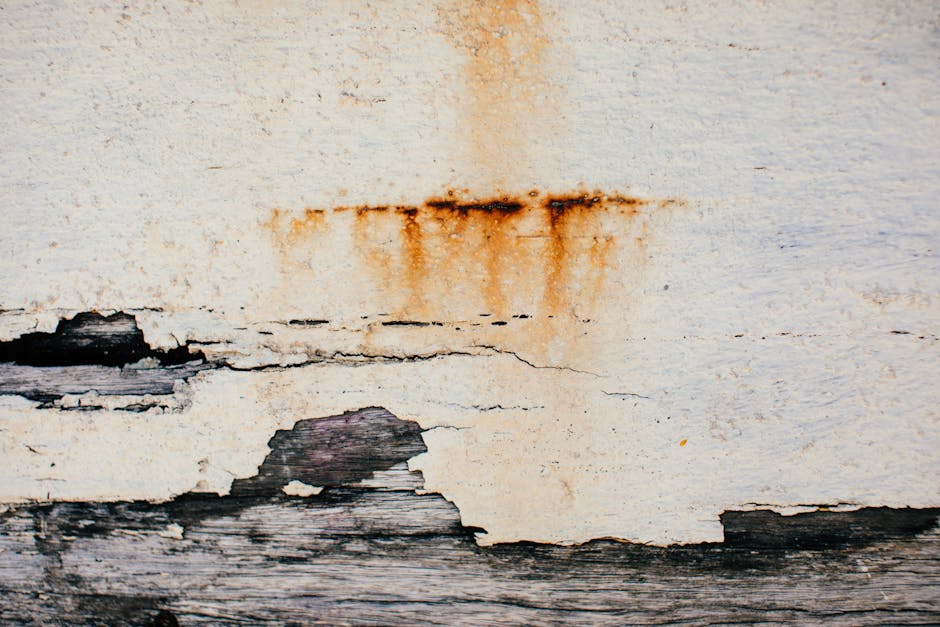
Your nose often finds the leak before your eyes do. Musty odours that linger in a bathroom, basement, or crawl space signal trapped moisture. In Vancouver’s naturally damp climate, that moisture feeds mould and mildew aggressively. You might notice warped hardwood, peeling paint, or bubbling drywall tape. These are not cosmetic issues to patch and paint over. They are symptoms of a water source that needs to be found and stopped.
Reduced water pressure throughout the house, or hot water that runs out faster than it used to, can indicate a slab leak or an underground supply line break. When pressurized water escapes before it reaches your fixtures, you lose both volume and temperature. Outside, wet spots in the lawn that never dry out, or a patch of grass that grows noticeably faster and greener than the rest of the yard, often betray a sewer or irrigation line leaking below the surface.
Why Vancouver Homeowners Are at Higher Risk for Hidden Leaks
Vancouver’s climate creates a perfect storm for hidden leaks. Heavy seasonal rainfall saturates the soil around foundations, and freeze-thaw cycles, particularly the cold snaps we saw in early 2026, expand and contract exterior pipes and seals. Older neighbourhoods like Kitsilano, Point Grey, and Mount Pleasant still contain homes with original galvanized or copper plumbing that has been corroding for decades, developing pinhole leaks that are nearly impossible to spot without specialized equipment. Strata and condo properties face a different challenge altogether. When a leak originates in one unit but shows up in another, the dispute over responsibility can drag on for months. Impartial diagnosis becomes essential to resolving inter-suite claims quickly and fairly.
How We Find Leaks: Non-Invasive Technology That Saves Your Walls
Modern leak detection has moved far beyond the era of exploratory demolition. At Leak Logic Canada, we deploy a suite of technologies that let us see, hear, and trace water without cutting a single hole until we know exactly where the problem lives.
Thermal imaging cameras detect subtle temperature differences on surfaces. When water saturates drywall, insulation, or flooring, it changes how those materials hold and transfer heat. An infrared camera reveals cold spots from evaporative cooling or warm anomalies from a hot water line leak, giving us a map of moisture behind walls and under floors without touching a blade to the surface.
Acoustic listening and correlation technology amplifies the sound of water escaping from a pressurized pipe. We place sensitive ground microphones and contact sensors along the suspected line. The system measures the time it takes for the sound to reach each sensor and calculates the leak’s precise location, even through concrete slabs or asphalt. This method works especially well for supply line leaks where the water is under constant pressure.

For stubborn leaks that refuse to reveal themselves through sound or heat, we turn to tracer gas detection. A safe, non-toxic mixture of hydrogen and nitrogen is injected into the suspect pipe. Because hydrogen molecules are the smallest and lightest in existence, the gas travels through the leak path and rises to the surface, where a calibrated sensor sniffs it out. This technique is invaluable for radiant heating systems, under-slab plumbing, and any situation where the pipe is buried too deep for acoustic methods.
Video camera inspection sends a waterproof, high-resolution camera down drain lines, sewer laterals, and vent stacks. The live feed shows us exactly what is happening inside the pipe: cracks, root intrusion, collapsed sections, or grease blockages. We record the footage and provide it as part of your diagnostic report.
Ground-penetrating radar rounds out our toolkit for underground and slab-on-grade applications. GPR sends radio waves into the ground and reads the reflections to map pipe locations, identify voids where soil has washed away, and confirm the depth of buried utilities before any excavation begins.
The "No-Destroy" Promise: What to Expect During Your Appointment
Every appointment begins with a thorough visual walkthrough of your property. We check accessible plumbing, look for the signs described earlier, and listen to your observations about when and where you first noticed the problem. From there, we select the least invasive diagnostic method suited to the situation. Only when we have confirmed the leak’s exact location do we recommend opening a wall or floor, and even then, the opening is targeted and minimal. Before any repair work starts, you receive a clear report with photos, thermal images, and our findings. That same report becomes the foundation for your insurance claim if you choose to file one.
How Much Does Water Leak Detection Cost in Vancouver? (2026 Pricing Guide)
Cost transparency matters, and Vancouver homeowners deserve a straight answer. The price of professional leak detection varies based on the complexity of the job, the technology required, and the accessibility of the suspected leak.
A straightforward visual inspection with basic acoustic confirmation typically falls in the $99 to $150 range. This covers the technician’s time to assess the property, check the meter, and use handheld listening devices on exposed piping. When the leak is hidden inside a concrete slab, buried underground, or concealed within a finished ceiling, the cost increases. Advanced diagnostics using thermal imaging, tracer gas, or ground-penetrating radar generally range from $400 to $800 or more, depending on the scope and duration of the investigation.
You may have seen promotional offers from other companies advertising leak detection for $29. These offers almost always cover only the initial truck roll or a brief visual check. The advanced equipment and the technician’s expertise to operate it come at additional cost. A low advertised price should prompt you to ask what exactly is included before you book.
Consider the cost of detection against the cost of doing nothing. The average water damage insurance claim in British Columbia falls between $10,000 and $30,000, and that figure climbs higher when mould remediation or structural repairs enter the picture. A few hundred dollars spent on accurate detection can prevent a five-figure restoration bill. Leak Logic Canada provides a clear, upfront quote after the initial assessment. You will know the cost before we deploy any diagnostic equipment, with no hidden fees for the tools we use.
Emergency Leak Detection: 24/7 Service for Burst Pipes and Flooding
A burst pipe does not wait for business hours. When water is actively gushing into your home, or you have suddenly lost all water pressure and suspect a major line break, you need help immediately. Leak Logic Canada offers 24/7 emergency response across Metro Vancouver, including Burnaby, Richmond, Surrey, the North Shore, and the Tri-Cities.
While you wait for our technician to arrive, take three critical steps. First, locate your main water shutoff valve and turn it clockwise until it stops. Every adult in the household should know where this valve lives. Second, turn off the power to your water heater to prevent damage if the tank drains. Third, document the visible damage with your phone. Photograph standing water, wet drywall, and affected belongings before you start cleaning up. These images support your insurance claim and help our team understand the full scope of the event.
DIY vs. Professional Leak Detection: What You Can (and Can’t) Do Yourself
There are a few diagnostic steps every homeowner can and should perform before calling a professional. Start with your water meter. Turn off every tap, appliance, and ice maker in the house, then watch the meter dial. If the small triangular leak indicator is spinning, water is flowing somewhere. Check every visible pipe under sinks, behind toilets, and in the utility room for drips or corrosion. Drop a few drops of food colouring into the toilet tank and wait 15 minutes without flushing. If colour appears in the bowl, the flapper is leaking and needs replacement.
These DIY checks solve the easy cases. They cannot find a leak inside a concrete slab, behind a tiled shower wall, or buried four feet underground in your front yard. Those situations demand thermal cameras, acoustic correlation, tracer gas, and ground-penetrating radar, equipment that costs tens of thousands of dollars and requires trained operators to interpret the data. Resist the urge to cut into drywall or start digging in the yard based on a hunch. Exploratory demolition often misses the actual leak while creating repair work that costs far more than professional detection would have.
Insurance and Leak Detection: Will Your Home Insurance Cover the Cost?
The report we provide after every detection appointment is designed with insurance adjusters in mind. It includes detailed findings, timestamped thermal and visual images, and a clear description of the leak’s location and cause. This documentation satisfies the evidentiary standard most insurers require before approving a claim.
Coverage for leak detection and repair under a standard BC home insurance policy depends on the nature of the leak. Sudden and accidental events, such as a pipe that bursts during a cold snap, are typically covered. Gradual damage caused by a slow, long-term leak or by neglected maintenance generally is not. Insurers draw a firm line between an unforeseen failure and a problem the homeowner should have caught earlier.
Before you authorize major repairs, call your insurance broker or claims department. Describe the situation and ask what your policy covers. A professional detection report from Leak Logic Canada can speed up the claims process significantly and may prevent a denial based on insufficient evidence. We have seen homeowners save thousands simply by having the right documentation in hand when the adjuster arrives.
Frequently Asked Questions About Water Leak Detection in Vancouver
How long does a typical leak detection take?
Most residential jobs are completed within one to three hours. Complex investigations involving slab leaks, tracer gas, or large properties may take longer, and we will give you a time estimate after the initial walkthrough.
Is leak detection destructive?
No. We use non-invasive methods first in every case. We only recommend opening a wall or floor once we have confirmed the leak’s exact location, and even then, the opening is as small as possible.
Can you find a leak under a concrete slab?
Yes. We use ground-penetrating radar, acoustic correlation, and tracer gas detection to locate leaks beneath concrete floors, driveways, and foundations without breaking up the slab unnecessarily.
Do you offer repair services after finding the leak?
Yes. Many leaks can be repaired on the same day, directly after detection. Our technicians carry common repair parts and can handle everything from pipe patches to section replacements.
What areas of Vancouver do you serve?
We cover all of Metro Vancouver, including the North Shore, the Tri-Cities, Burnaby, Richmond, Surrey, Delta, and the Fraser Valley.
Do you work with strata corporations?
Yes. We provide impartial leak source identification for inter-suite disputes, helping strata councils and property managers resolve water damage claims between units without bias.
Book Your Non-Invasive Leak Detection in Vancouver Today
A hidden leak will not fix itself, and every day it goes undetected, it costs you money and compromises your home. Leak Logic Canada offers same-day and next-day appointments across Metro Vancouver, with 24/7 emergency availability for burst pipes and active flooding. We promise accurate results, no unnecessary demolition, and an insurance-ready report you can trust. Call us or use the online booking form to schedule your appointment now.