
Imagine it’s 3:00 AM on a rainy Tuesday in Vancouver. Your phone rings. It’s the concierge of your premier Burnaby high-rise. A flex hose has burst on the 24th floor, and water is currently cascading through the electrical closets down to the lobby.
By sunrise, you aren't just looking at a massive restoration project; you’re looking at a $250,000 insurance deductible.
For property managers, strata councils, and building owners in the Lower Mainland, this isn't a hypothetical horror story: it’s the daily reality of the "strata insurance crisis." As deductibles for water escape continue to skyrocket across British Columbia, the question is no longer if you should install a water leak detection system, but how fast you can get one online.
In this guide, we’ll break down the basics of commercial leak detection, how it protects your building assets, and why a smart water leak detector is the single most important upgrade for your 2026 capital budget.
The $250,000 Elephant in the Room: Why Deductibles Are Rising
In Vancouver, Richmond, and Surrey, strata insurance deductibles have shifted from a manageable $5,000–$10,000 to staggering six-figure sums. Many mixed-use and high-rise buildings now carry water-damage deductibles between $100,000 and $750,000.
Under the BC Strata Property Act, the strata corporation can charge the full building deductible back to the "responsible" owner: even if there was no negligence. A simple dishwasher failure can bankrupt a small business tenant or a condo owner.
By implementing a commercial leak detection system, you are essentially buying an insurance policy for your insurance. You are moving from a reactive "mop-up" strategy to a proactive "stop-it-at-the-source" strategy.
What is a Commercial Leak Detection System?
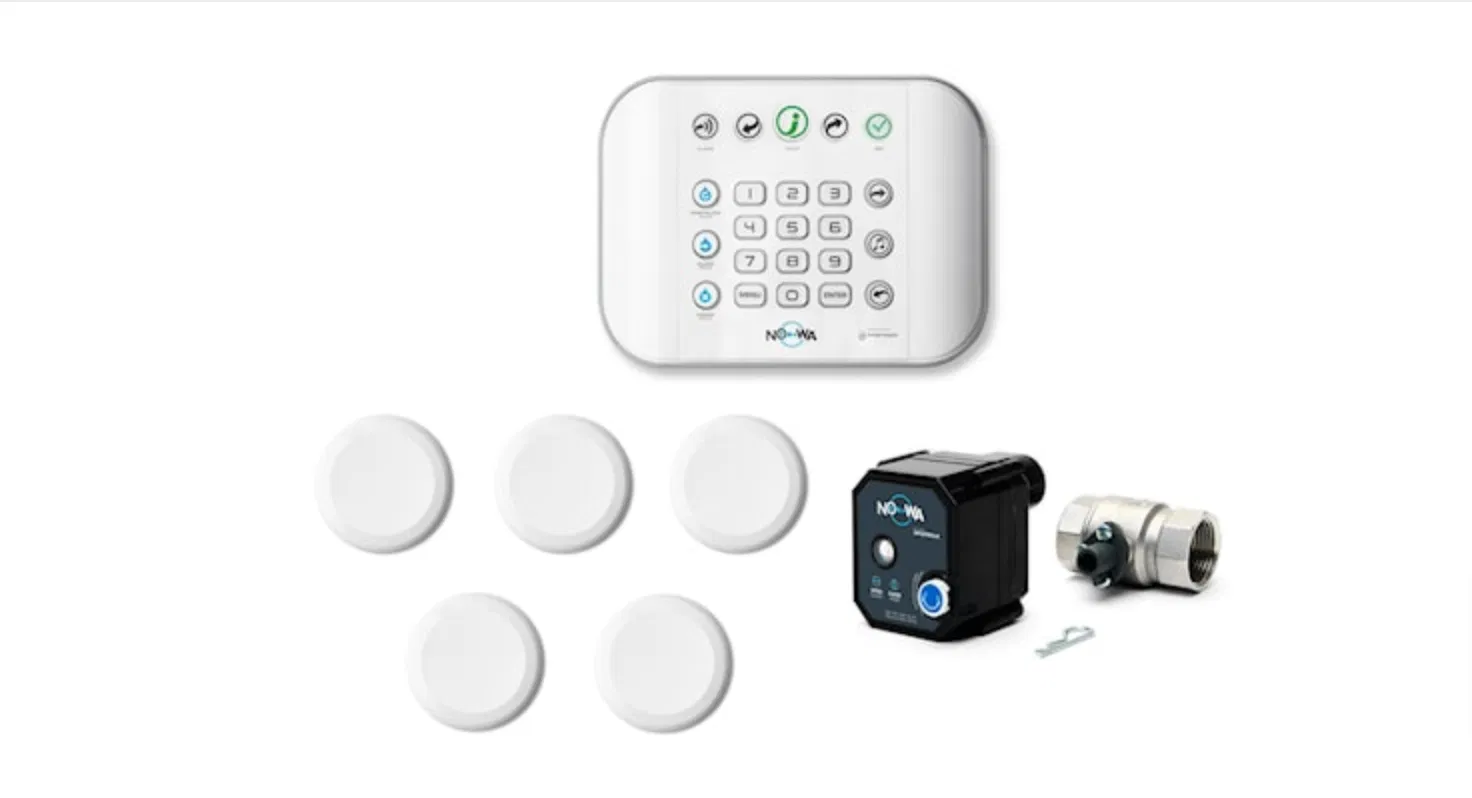
A commercial-grade system is a network of IoT (Internet of Things) devices designed to monitor a building’s entire plumbing infrastructure. Unlike a simple "moisture alarm" you might find at a big-box store, professional systems like the Nowa Leak Protection Technology we install at Leak Logic Canada are engineered for the complexities of high-rise and multi-dwelling units (MDUs).
The Core Components
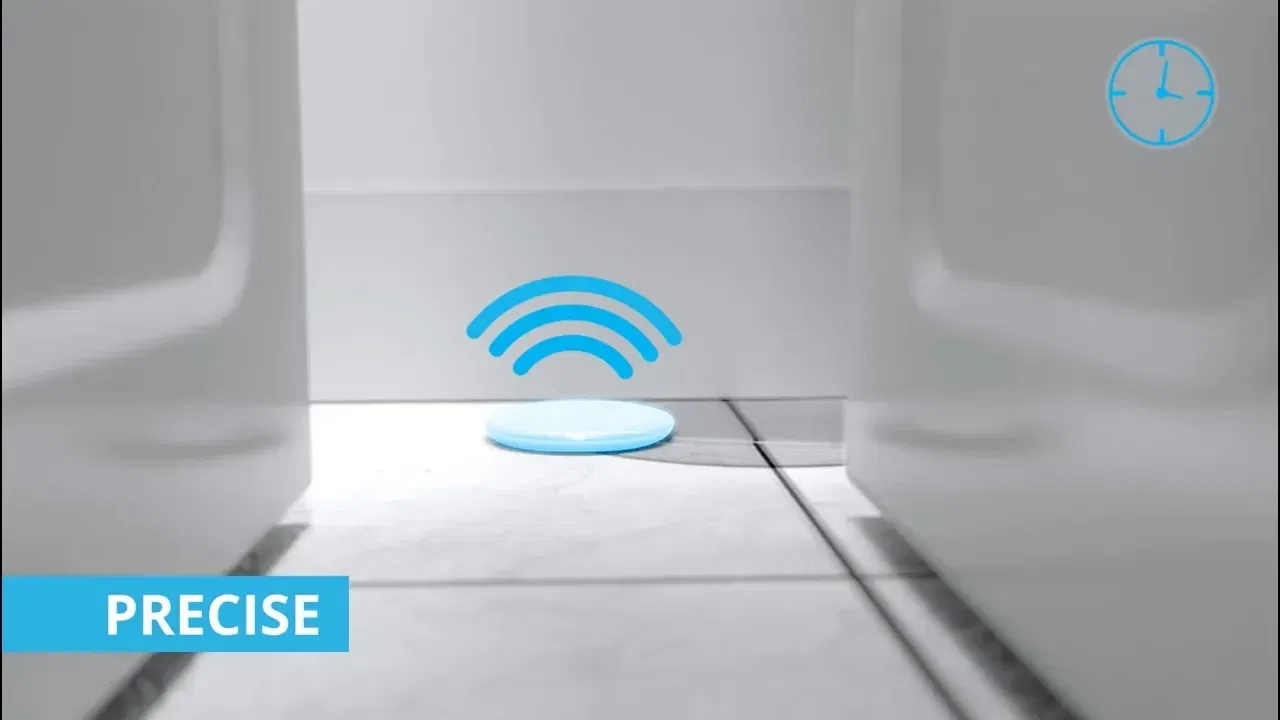
- Smart Water Leak Detectors (Sensors): These are placed in high-risk zones: under sinks, behind toilets, near washing machines, and in mechanical rooms.
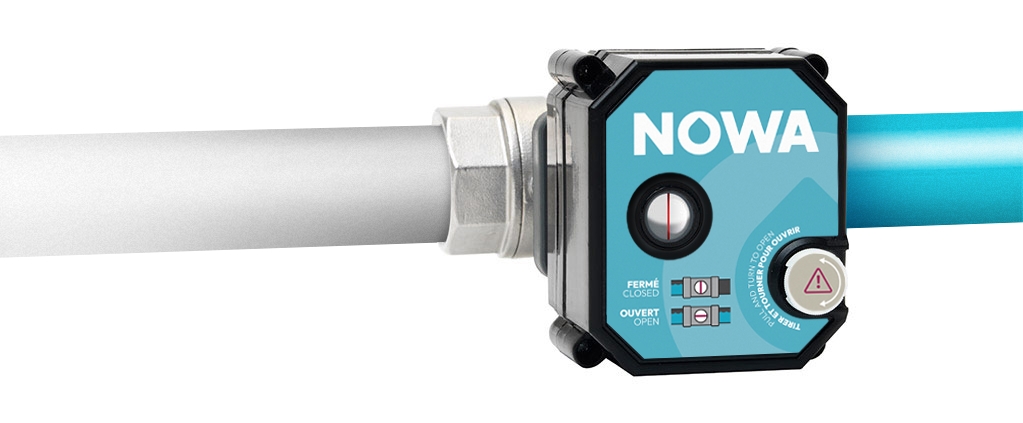
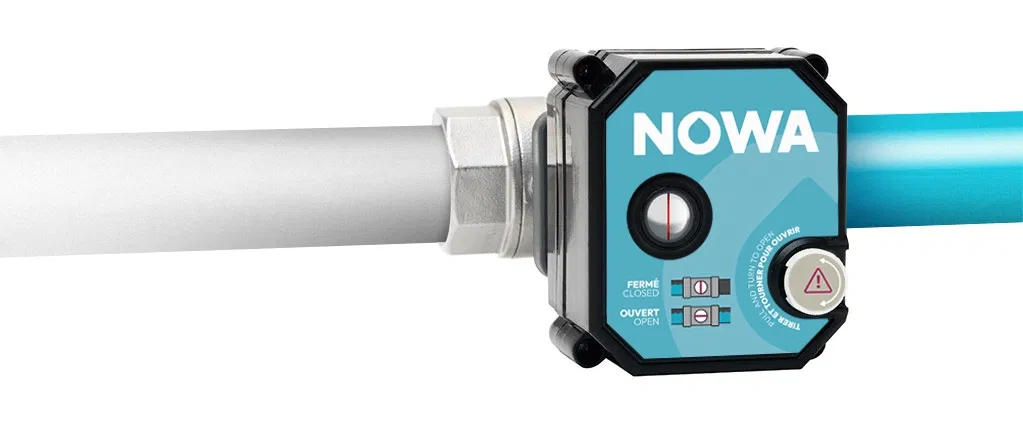
- Automatic Water Shut Off Valve: This is the "brain" and the "muscle." When a sensor detects water, it tells the valve to close the main line instantly.
- Central Control Panel & Gateway: This manages the communication between devices and the cloud, ensuring 24/7 monitoring even if the building's Wi-Fi goes down.
- 24/7 Monitoring Portal: A dedicated dashboard for property managers to see the status of every unit in their portfolio in real-time.
The Leak Logic Advantage: Technical USPs That Matter
When you are protecting a multi-million dollar asset in Coquitlam or New Westminster, "good enough" isn't good enough. At Leak Logic Canada, we focus on technical precision that translates directly into risk reduction.
1. 0.015-Inch Leak Sensitivity
Most "smart" sensors only trigger when they are submerged in a pool of water. By then, the damage is already done. Our Nowa sensors are calibrated to detect water at just 0.015 inches. This means the system catches the very first sign of a leak: before it has a chance to soak through the subfloor and impact the unit below.
2. Gold-Plated Sensor Probes
Standard copper or steel probes oxidize over time, especially in humid environments like laundry rooms or under-sink cabinets. Oxidation creates a "crust" that can prevent the sensor from working when you need it most. Our sensors use gold-plated probes to prevent oxidation, ensuring long-term reliability and peace of mind for strata councils.
3. Pinpoint 5°C Freeze Alerts
Vancouver winters might be mild, but a sudden cold snap can lead to burst pipes in perimeter units or vacant suites. Our sensors monitor temperature as well as moisture. If the temperature drops below 5°C, the system sends an immediate alert, allowing your maintenance team to intervene before a pipe freezes and bursts.
4. Automatic Water Shutoff in Seconds
The difference between a "minor inconvenience" and a "catastrophic claim" is time. An automatic water shut off valve stops the flow of water the moment a leak is detected. You don't have to wait for a resident to get home or a plumber to find the manual shut-off.
Outcome-Based Benefits for B2B Decision Makers
For Asset Managers and Strata Councils, the ROI of a leak detection system is measured in prevented losses and stabilized premiums.
- Reduce Insurance Claims: By stopping leaks instantly, you keep repair costs below your deductible. This keeps your claims history clean, which is essential for negotiating lower premiums or maintaining insurability.
- Prevent Emergencies: No more middle-of-the-night emergency calls or expensive after-hours restoration crews.
- Protect Building Assets: Protect common property, elevators, and electrical systems from water ingress.
- Lower Liability: By providing a building-wide solution, the Strata Council reduces its exposure to litigation from owners or tenants affected by secondary water damage.
Why Choose a Local Vancouver Partner?
Leak Logic Canada understands the specific challenges of the Lower Mainland. From the unique plumbing codes in Richmond to the high-density strata environments of Downtown Vancouver, we provide localized expertise.
We don't just ship you a box of parts; we provide a full-service solution:
- Professional Installation: Our technicians ensure valves and sensors are placed for maximum coverage.
- Custom Retrofits: We specialize in installing modern tech into existing buildings without the need for invasive drilling or cabling, thanks to our LTE and RF-enabled systems.
- Ongoing Monitoring: Through our PRESENCE service, we provide 24/7 technical support and system updates.
Key Takeaways for Property Managers
- Deductibles are the risk: In BC, water deductibles can reach $250k+, and owners are often held responsible regardless of fault.
- Technology is the shield: A system with 0.015-inch sensitivity and gold-plated probes provides the highest level of protection.
- Automation is the goal: An automatic water shut off valve is the only way to guarantee protection when no one is home.
- Monitoring is the strategy: 24/7 alerts ensure you are never the last to know about a problem in your building.
Frequently Asked Questions (FAQ)
How much does a commercial leak detection system cost?
The cost varies based on the number of units and the complexity of the plumbing, but it is a fraction of a single $50,000 deductible. Many insurance companies now offer discounts or even cover the cost of installation through specialized policies. Learn more about water leak insurance savings here.
Does the system work if the power or Wi-Fi goes out?
Yes. Our Nowa 4S systems use LTE-enabled control panels and long-range RF communication. They do not rely on your building’s router or internet connection to function, ensuring 24/7 protection.
How often do the sensors need maintenance?
Our sensors feature a 10-year battery life and undergo daily self-testing. The system will automatically alert the building manager if a battery is low or if a sensor goes offline.
Can this be installed in an old high-rise?
Absolutely. We specialize in retrofitting existing buildings with wireless technology that requires no drilling or major construction.
Stop the Leak Before the Deductible Stops You
Don't wait for the next "3:00 AM call" to realize your building is at risk. Whether you are managing a single commercial tower in Surrey or a massive portfolio across the Lower Mainland, Leak Logic Canada is your partner in water damage prevention.
Protect your assets, reduce your liability, and gain peace of mind today.
Contact Leak Logic Canada for a professional assessment of your building. Call us today at [Insert Phone Number from Website/Context – e.g., 604-XXX-XXXX] or visit our contact page to schedule a consultation with our Vancouver team.
What’s the biggest water safety concern in your building right now? Share your thoughts below and let’s start a conversation about protecting our local communities.