
If you manage a high-rise in Vancouver, Burnaby, or Richmond, you know the sound of a 2:00 AM phone call. It’s rarely good news, and often, it’s about water. In a multi-dwelling unit (MDU), a single pipe failure on the 20th floor isn't just one unit's problem: it’s a catastrophic event for the ten floors below it.
For property managers and strata councils, choosing a water leak detection system isn’t just about buying a few "smart" gadgets; it’s about risk mitigation, protecting the building’s assets, and: perhaps most importantly: keeping your insurance premiums from skyrocketing.
But with so many options on the market, from DIY consumer sensors to industrial flow monitors, how do you know which one is right for your portfolio? In this guide, we’re comparing the top technologies and explaining why a professional-grade solution is the only way to safeguard your investment.
The High-Rise Reality: Why Standard Sensors Aren't Enough
High-rise buildings face unique challenges that a standard residential leak detector simply can't handle. Gravity is your enemy here. A leak that goes undetected for even thirty minutes can result in hundreds of thousands of dollars in damages to common areas, elevators, and neighboring suites.
When evaluating systems, you need to look beyond "detecting" water. You need a system that offers:
- Pinpoint Accuracy: Knowing where the leak is (e.g., the dishwasher in 1402) rather than just knowing there is a leak.
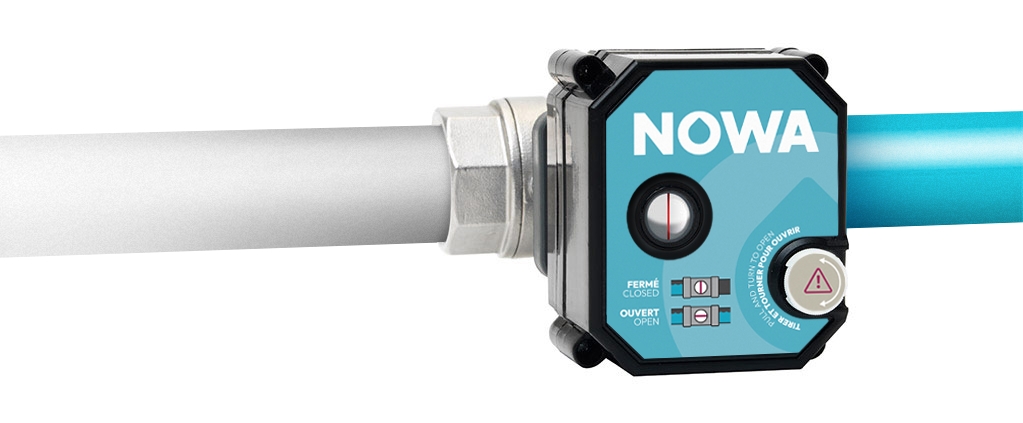
- Immediate Intervention: Automated shutoff valves that stop the flow at the source without human intervention.
- Enterprise Monitoring: A central dashboard where you can see the health of every sensor in the building, not just individual app alerts.
Comparing the Best High-Rise Water Leak Detection Systems
To help you decide, let’s look at how different technologies stack up against the needs of Vancouver property managers and strata councils.
1. Point-of-Leak Sensor Networks (The Gold Standard)
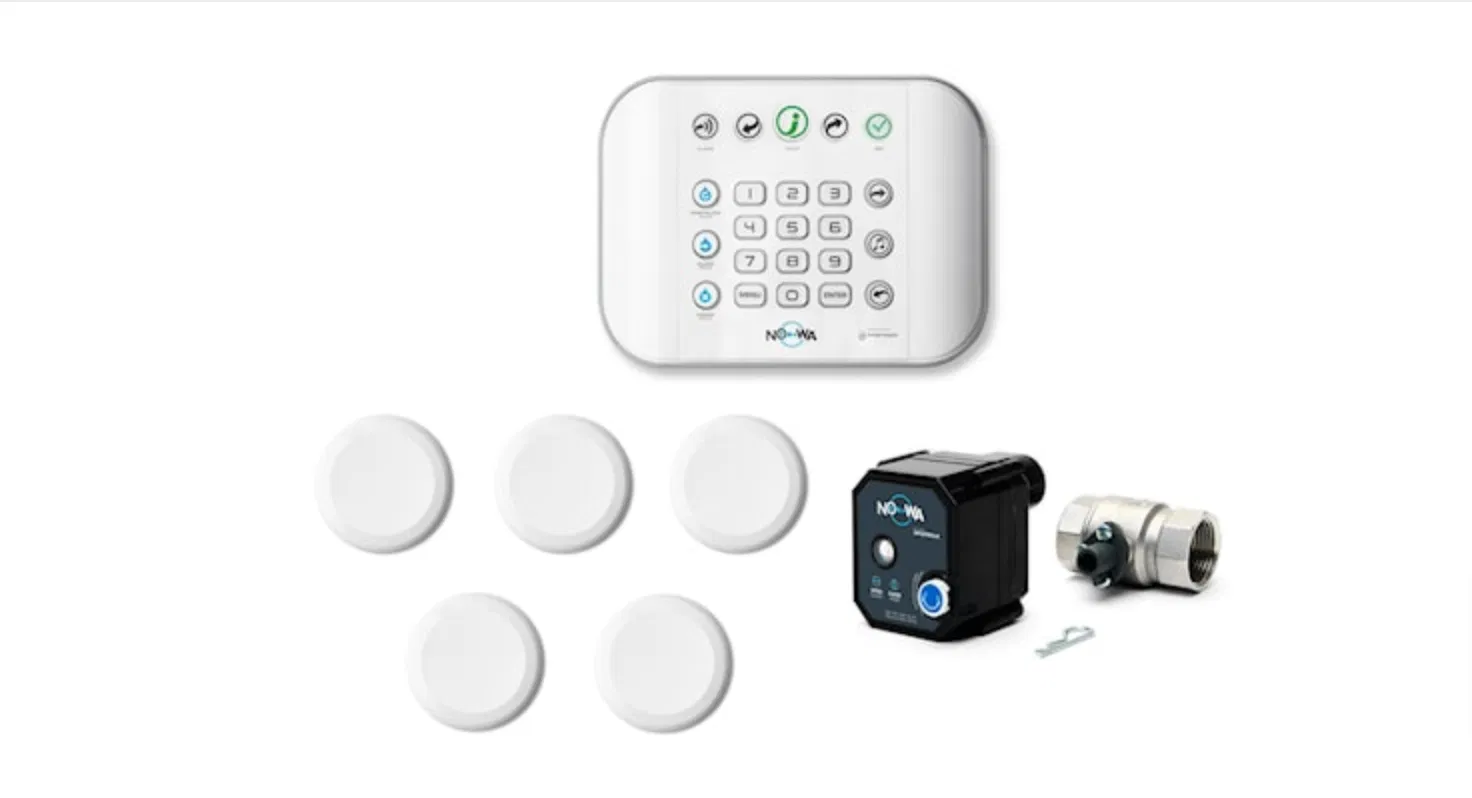
This is the approach we take at Leak Logic Canada using Nowa Leak Protection Technology. These systems use multiple wireless sensors placed at high-risk locations: under sinks, behind toilets, near water heaters, and under appliances.
- How it works: Sensors are connected to a central control panel. If water touches a probe, the panel triggers an automatic water shut off valve on the main line or the specific unit feed.
- Best for: Condos and MDUs where localized detection is critical to preventing cross-unit damage.
- Pros: Extremely fast response times; identifies the exact source of the leak; recognized by major insurers for significant premium reductions.
- Cons: Requires more hardware (sensors) than a simple flow monitor.
2. Whole-Building Flow Monitoring (The Backstop)
Systems like Phyn or StreamLabs use AI to "listen" to the flow of water through the pipes. They look for patterns that indicate a burst pipe or a pinhole leak.
- How it works: A single device is installed on the main water line. It monitors pressure and flow rate.
- Best for: Detecting catastrophic main-line failures or hidden leaks behind walls.
- Pros: Fewer devices to install; provides data on overall water usage.
- Cons: Often cannot tell you which unit is leaking in a high-rise environment; may have a delay in shutoff as the AI "verifies" the leak; less effective for small "nuisance" leaks that still cause damage over time.
3. Consumer-Grade DIY Systems
You’ve seen these at big-box retailers. They are often battery-powered Wi-Fi sensors that send a push notification to a smartphone.
- How it works: Standalone sensors that connect directly to a home router.
- Best for: Individual homeowners, not commercial buildings.
- Pros: Low upfront cost.
- Cons: Unsuitable for B2B. They lack centralized monitoring for managers, have no automated shutoff capabilities, and often suffer from connectivity issues in the concrete-heavy environments of high-rise buildings.
Technical USPs: What Makes a Professional System Different?
When you’re presenting a building upgrade to a strata council, the technical details matter. These aren't just "features": they are the safeguards that prevent water damage insurance claims.
0.015-Inch Leak Sensitivity
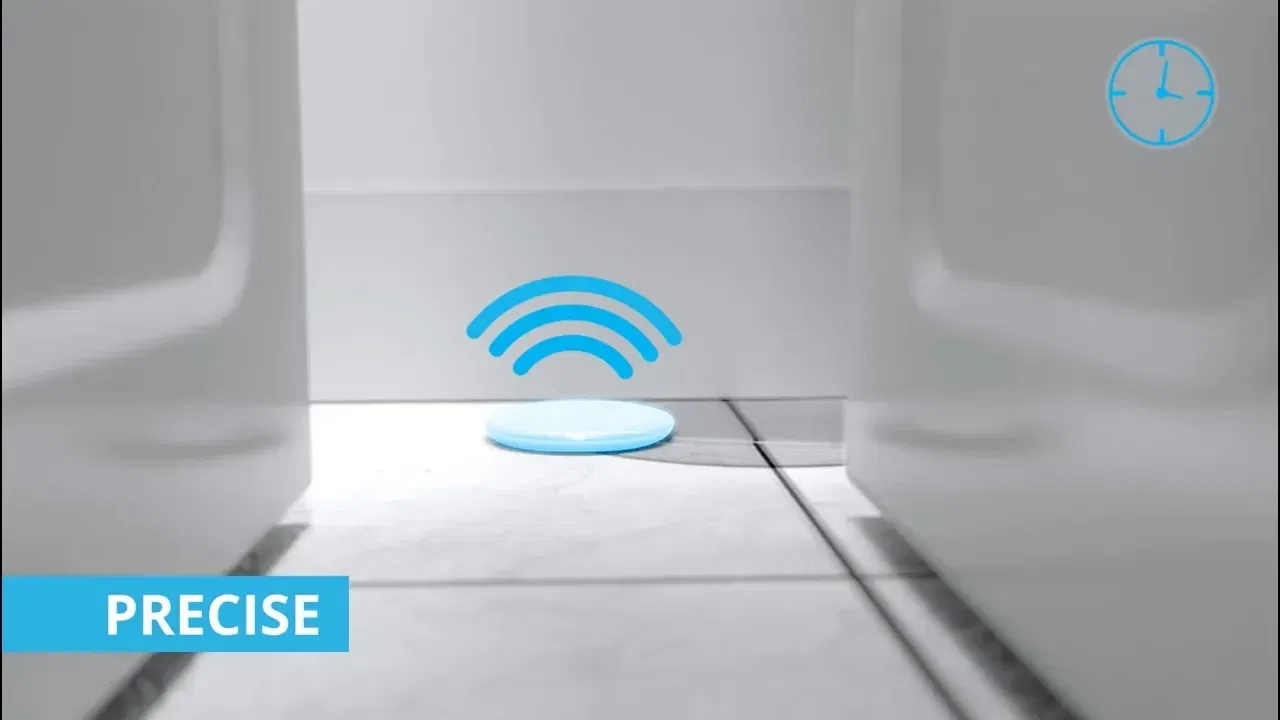
At Leak Logic, our Nowa sensors are calibrated to detect water at just 0.015 inches of depth. Why does this matter? Because by the time a standard sensor (often requiring 1/4 inch of water) is triggered, the water has already seeped under the flooring and into the sub-floor. Our sensitivity allows for instant leak detection before the damage becomes structural.
Gold-Plated Sensor Probes
Standard sensors use copper or steel probes that can oxidize over time in humid environments (like under a kitchen sink). Oxidation creates a layer of "crust" that can prevent the sensor from detecting water when a real leak occurs. Our probes are gold-plated, preventing oxidation and ensuring 100% reliability for years.
5°C Pinpoint Freeze Alerts
Vancouver winters can be unpredictable. A frozen pipe in an exterior wall or a mechanical room can lead to a massive burst. Our systems include pinpoint freeze detection that alerts you the moment temperatures drop below 5°C, giving your maintenance team time to act before the pipe fails.
The Financial Argument: ROI and Insurance
For many strata councils in the Lower Mainland, the motivation to install a high rise water leak detection system isn't just about safety: it's about survival. Insurance deductibles for water damage in Vancouver have soared, sometimes reaching $100,000 or more per claim.
By installing a professionally monitored system with an automatic water shut off valve, buildings can:
- Reduce Deductibles: Many insurers will lower the water damage deductible if a certified system is installed.
- Lower Premiums: Proactive risk management makes your building a more attractive "risk" for underwriters.
- Prevent Special Levies: Large-scale water damage often leads to special levies that frustrate owners and lower property values.
Phased Implementation for Existing Buildings
You don't necessarily have to do the entire building at once. Many of our clients in Surrey and Coquitlam start with a phased approach:
- Phase 1: Common areas, mechanical rooms, and high-risk units (top floors).
- Phase 2: Strategic unit retrofits during scheduled maintenance.
- Phase 3: Full-building integration with 24/7 remote monitoring.
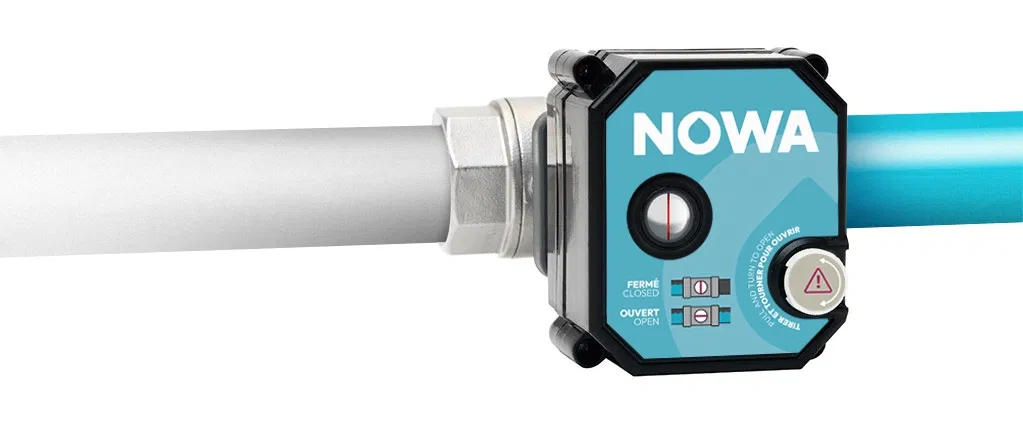
Because our Nowa systems are wireless and require no drilling or router access within individual units, the installation is minimally invasive for residents.
Choosing Your Partner in Prevention
Choosing the right system is only half the battle; choosing the right installation and service partner is the other half. Leak Logic Canada doesn't just sell hardware. We provide a full-service solution, from site assessment and strata presentations to professional installation and 24/7 monitoring.
We understand the local Vancouver market. We know the specific plumbing challenges of buildings in the West End vs. newer builds in Coal Harbour. We are here to ensure your building remains dry, your assets protected, and your insurance claims at zero.
Community Spotlight
We recently worked with a high-rise in North Vancouver that was facing its third major water claim in two years. After installing our Nowa sensor network and automated valves, they detected and stopped four potential leaks within the first 90 days: all of which would have resulted in significant damage without the system.
What is the biggest water safety concern currently facing your building or portfolio? Whether it's aging infrastructure or rising insurance costs, we want to hear your perspective.
Protect Your Building Today
Don't wait for the next emergency call. Secure your property with the most advanced smart water leak detector and protection technology available in BC.
Call Leak Logic Canada today at [Phone Number] or contact us through our website to schedule a professional assessment for your high-rise or commercial property. Our team is ready to help you reduce risk and protect your assets across Vancouver and the Lower Mainland.