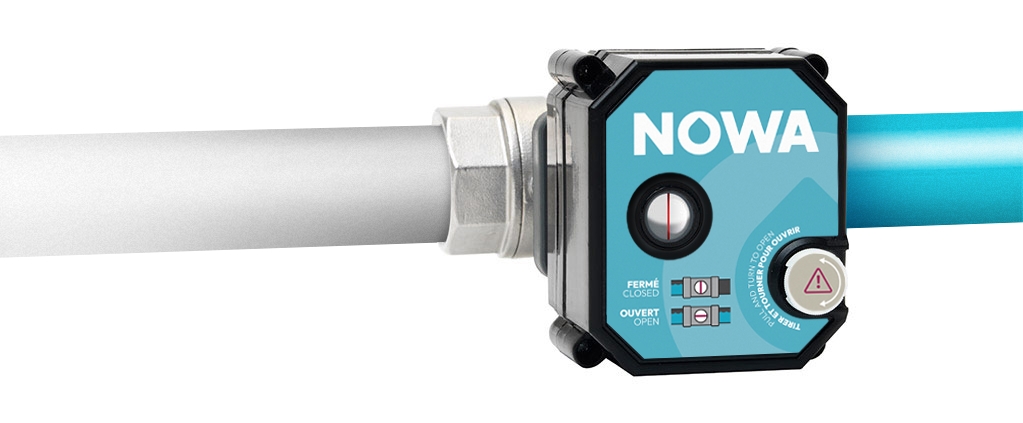

If you’re a property manager or sit on a strata council in Vancouver, you don't need a spreadsheet to tell you that water damage is your biggest operational headache. You’ve seen the "deductible shock": those notices from insurers where water-damage deductibles have skyrocketed from a manageable $10,000 to a staggering $100,000 or even $250,000.
As we move through 2026, the Vancouver insurance market has finally stabilized after years of volatility, but the "new normal" remains. Insurers are no longer just looking for a "clean building"; they are looking for a mitigated building. To keep your premiums competitive and your deductibles low, you need a formal, documented water mitigation plan that proves to underwriters that you’ve eliminated the risk of catastrophic loss.
At Leak Logic Canada, we help strata councils across the Lower Mainland: from Coal Harbour to the North Shore: transform their buildings from high-risk liabilities into insurance-preferred assets. Here is your step-by-step guide to building a water mitigation plan that satisfies both your owners and your insurance brokers.
The State of Vancouver Strata Insurance in 2026
While the frequency of claims has decreased in some sectors, the severity of water damage in multi-unit residential buildings (MURBs) remains a primary concern for B.C. insurers. According to recent market outlooks, buildings with aging plumbing or no active monitoring are being pushed toward specialized, high-cost "excess" insurance markets.
For a Vancouver strata, a single burst pipe on the 20th floor doesn't just damage one unit; it can impact 10 to 15 floors of common areas and private suites. This "cascading loss" is exactly why insurers have increased deductibles to the point where the strata itself is essentially self-insuring for the first $100,000+ of any event.
By implementing an Insurance-Ready Water Mitigation Plan, you aren't just preventing leaks; you’re providing the documented evidence your broker needs to negotiate better terms during your next renewal.
Step 1: Conduct a Vulnerability Audit
Before you can protect your building, you need to know where it’s likely to fail. A comprehensive plan starts with a site-wide audit.
- Piping Systems: Identify the age and material of your risers and domestic water lines. Are you dealing with aging copper or early-generation plastic?
- High-Risk Zones: Mechanical rooms, amenity kitchens, and laundry rooms are high-traffic, high-risk areas.
- Individual Unit Risks: Dishwashers and washing machine hoses are the most frequent sources of small, annoying leaks that lead to big claims.
Documenting these risks: and your plan to address them: is the first thing a BC insurance broker will look for.
Step 2: Deploy Advanced Detection & Automation
Traditional "passive" sensors that just beep when wet aren't enough for a high-rise. To truly lower risk, you need an integrated IoT solution that stops the water at the source.
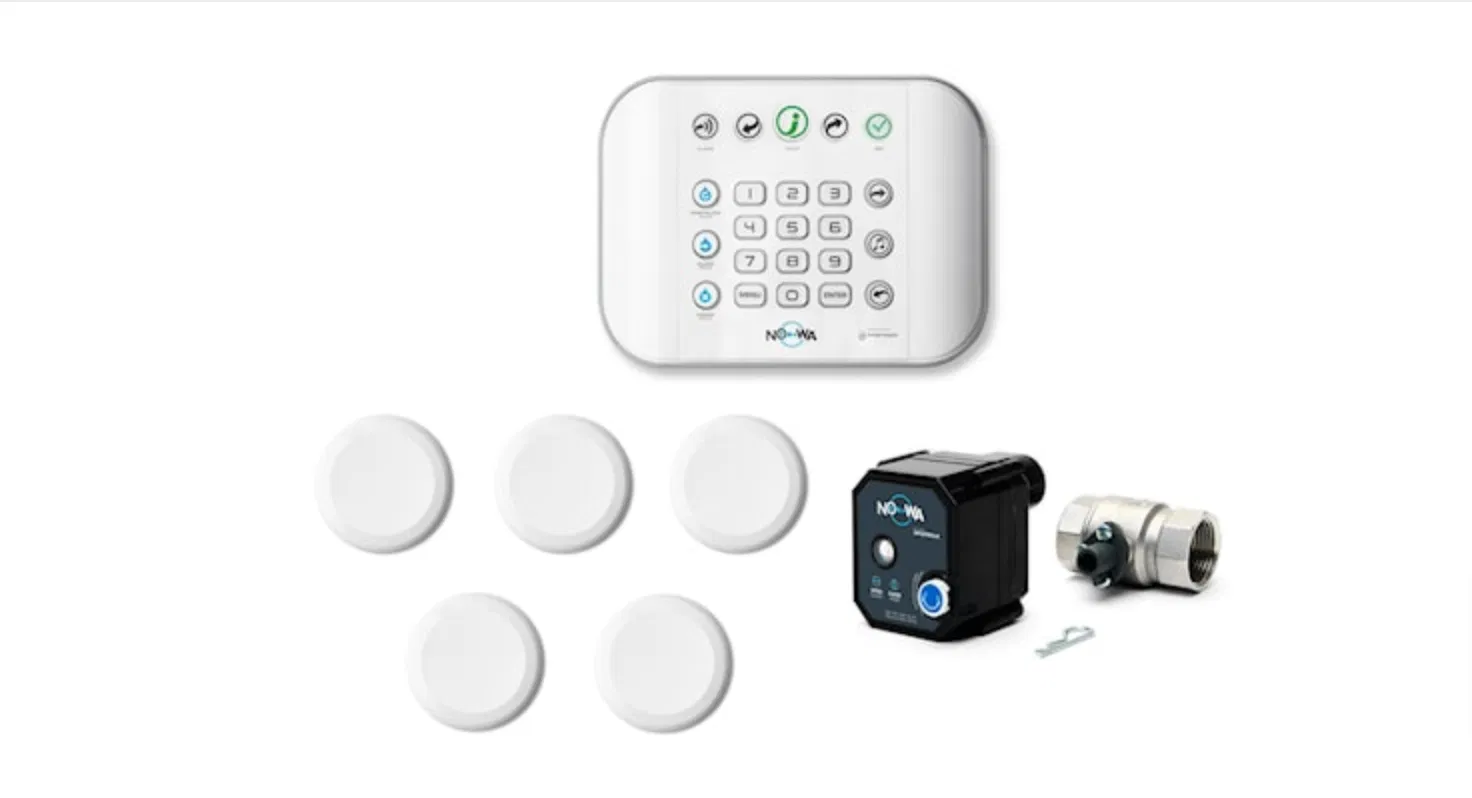
This is where the Nowa 4S technology becomes the cornerstone of your mitigation plan. When building your plan, specify that your detection system must include:
- 0.015-inch Leak Sensitivity: Most consumer-grade sensors require a pool of water to trigger. Nowa sensors detect moisture as thin as a sheet of paper, alerting you before the water even hits the baseboards.
- Gold-Plated Sensor Probes: Unlike standard sensors that oxidize and fail over time, gold-plated probes ensure long-term reliability and 24/7 readiness.
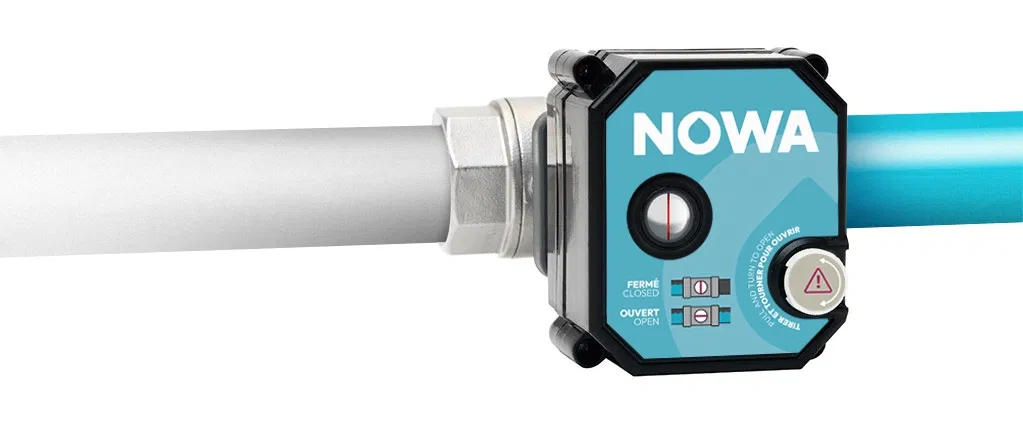
- Automatic Water Shut-off: This is the game-changer for insurance. If a sensor detects water, the system must be able to automatically close the main valve without human intervention. This turns a potentially $200k claim into a $500 cleanup.
- 5°C Freeze Detection: Vancouver winters can be unpredictable. Our systems warn you when temperatures drop below 5°C, preventing pipes from bursting in unheated areas or near drafty windows.
Step 3: Formalize Maintenance Protocols
An insurance-ready plan must be active, not static. Insurers want to see that the strata has a "culture of prevention."
- Annual Sensor Testing: Much like fire alarm testing, your water mitigation plan should include an annual check of all sensors and shut-off valves.
- Standardized Appliance Rules: Implement bylaws that require braided steel hoses for all washing machines and specify a maximum age for hot water tanks (typically 8–10 years).
- Centralized Monitoring: For property managers, having a wireless monitoring dashboard means you get real-time alerts via email or text the second an issue is detected, regardless of whether you are on-site or at the office in Burnaby.
Step 4: Update Your Bylaws and Resident Education
A mitigation plan only works if everyone is on board. Under the B.C. Strata Property Act, the definition of "responsibility" for a leak is often at the center of legal disputes over deductibles.
To protect the strata’s assets:
- Mandate Unit Insurance: Ensure your bylaws require owners to carry sufficient loss-assessment coverage that matches the building’s water deductible.
- Access for Maintenance: Ensure the strata has clear authority to enter units for the purpose of maintaining or inspecting water detection equipment.
- The "Water Emergency" Guide: Provide every resident with a one-page guide on how to shut off their local valves and who to call.
Step 5: Leverage Your Plan for Insurance Savings
Once your Nowa system is installed and your protocols are documented, it’s time to go to market.
Leak Logic Canada's systems are recognized by major Canadian insurers like Aviva, Northbridge, and Wawanesa. In many cases, these insurers offer premium credits or even subsidize the cost of installation through programs like the Northbridge Onyx policy.
When your broker presents your renewal application, include your "Water Mitigation Portfolio" which highlights:
- The use of 24/7 monitored IoT sensors.
- The automatic shut-off capabilities.
- A history of zero "major" losses since implementation.
- The technical specs of your probes and sensitivity levels.
By presenting this data, you move your building from a "standard" risk category to a "preferred" one, which can lead to significant insurance savings.
Why Vancouver Property Managers Choose Leak Logic
Managing a high-rise in the Lower Mainland comes with unique challenges, from high-density living to aging infrastructure in older neighborhoods like the West End or Kitsilano.
We don't just sell sensors; we provide a full-service partnership. From the initial risk assessment and installation to 24/7 monitoring and system updates, we ensure your building stays "insurance-ready" for the long haul. Our sensors are designed to detect actual water, not just high humidity, meaning you won't be dealing with nuisance alarms every time someone takes a hot shower.
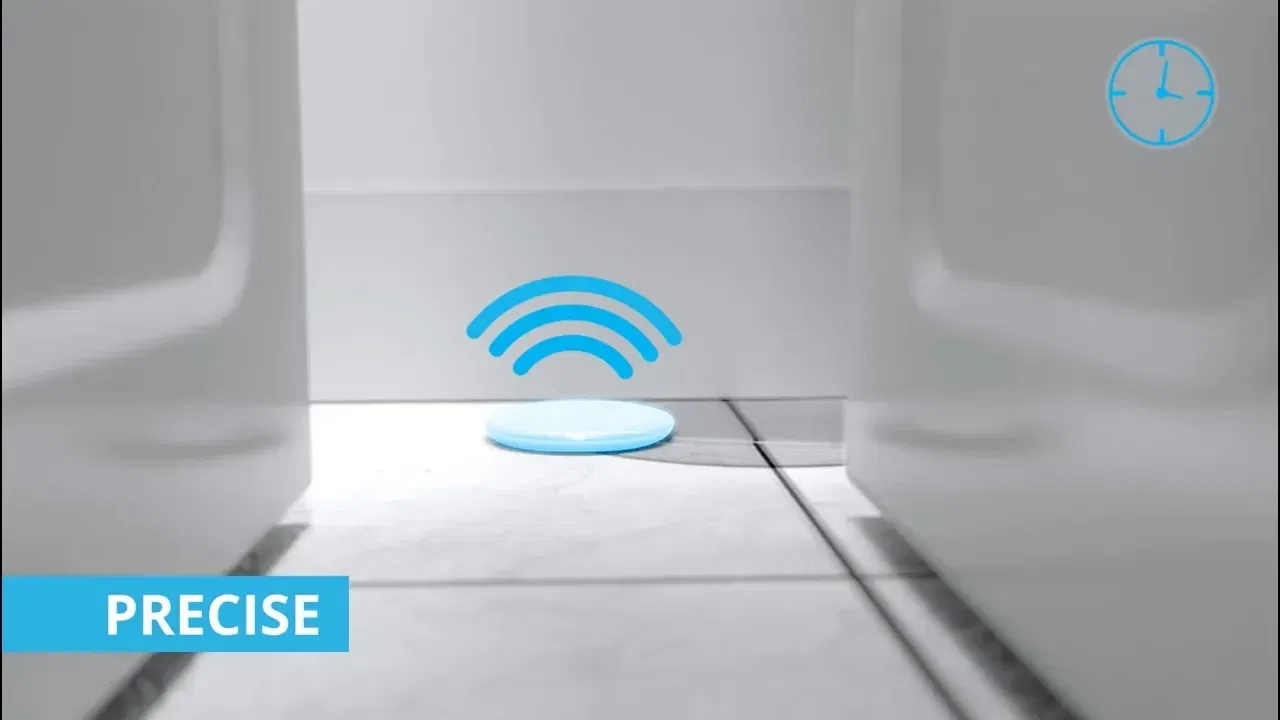
Outcome-Based Protection
Imagine the peace of mind knowing that if a dishwasher fails at 2:00 AM on a Tuesday, the water is shut off in seconds: not hours. No emergency restoration crews, no displaced residents, and no massive insurance deductible to split among the owners.
That is the outcome of a solid water mitigation plan.
Protect Your Building Assets Today
Is your Vancouver strata prepared for its next insurance renewal? Don't wait for a high-deductible claim to force your hand. Contact Leak Logic Canada today for a professional assessment of your property. We specialize in retrofitting Vancouver’s multi-dwelling units with the industry's most reliable leak protection technology.
Call us or visit our website to learn how we can help you reduce your risk and protect your strata’s financial future.
What is the biggest water safety concern in your building right now: is it aging pipes or resident appliance failure?