
If you’ve spent any time managing a multi-unit residential building or a commercial portfolio in Vancouver, you know that water is both our best friend and our worst enemy. We’re used to the rain outside, but it’s the water inside that keeps property managers awake at 3:00 AM.
I’m Randall, and here at Leak Logic Canada, we’ve seen it all. From the slow, agonizing drip behind a drywall partition to the catastrophic pipe burst that floods three floors of a luxury strata, the story is usually the same: "We didn't even know there was a problem until the ceiling came down."
As a decision-maker, your priority is protecting building assets and reducing those skyrocketing insurance deductibles. But to do that, you need to know where the "invisible" threats are hiding. This isn't your standard "check the sink" list. We’re diving into the 10 often-overlooked spots that cause major flood damage in Lower Mainland properties.
1. HVAC Condensate Lines: The "Invisible" Trickle
In many Vancouver office towers and condos, HVAC systems run almost year-round. Whether it's heating or cooling, these units produce condensation. Normally, this water flows out through a small drain line.
However, these lines are notorious for clogging with algae, dust, or debris. When that happens, the water backs up into the drain pan. If that pan is rusted or the overflow sensor fails, you’ve got a steady stream of water soaking into the building’s structure. Because these units are often tucked away in ceiling voids or mechanical closets, a leak can go undetected for weeks, leading to massive mold issues.
2. Dishwasher Connections in Multi-Unit Buildings
You might think a dishwasher leak is a "tenant problem," but in a high-rise, a tenant problem quickly becomes a Strata Council nightmare. The flexible hoses behind dishwashers are under constant pressure and are prone to becoming brittle or shaking loose during cycles.
A failure here doesn't just wet a kitchen floor; it travels through the floor slab and down into the units below. Imagine the liability when a $50 hose ruins $500,000 worth of renovations in the units beneath it. This is why we prioritize preventing condo water damage through localized sensing.
3. Common Area Bathrooms: The High-Traffic Hazard
Lobby washrooms and gym change rooms are high-risk zones because nobody "owns" them. If a toilet in a resident's unit starts running or leaking at the base, they’ll likely report it. In a common area, a slow leak at a flush valve or a cracked seal under a sink can go unnoticed by cleaning staff for days.
These areas often sit directly above sensitive infrastructure: like the main electrical room or the lobby’s designer finishes. A proactive approach here is essential for long-term property protection.
4. Roof Flashing and Parapet Walls
Vancouver’s wind-driven rain is a beast. While most property managers stay on top of roof membranes, the flashing (the metal bits that transition between the roof and the walls) is often overlooked.
Small gaps in flashing or cracks in parapet wall seals allow water to seep into the building’s "envelope." This water doesn't always show up as a drip on the top floor. It can travel along rafters or steel studs and emerge three floors down, making the source incredibly difficult to find without thermal imaging or pinpoint sensors.
5. Water Heaters and Mechanical Room Boilers
Mechanical rooms are the heart of your building, but they are also the most common site for undetected water loss. We often see boilers and large-scale water heaters develop "pinhole" leaks in their tanks or pressure relief valves that get stuck partially open.
Mineral buildup (scaling) can mask these leaks initially, but once the seal breaks, you’re looking at a flood. Because these rooms usually have floor drains, managers sometimes assume a little water on the floor is "normal" maintenance. It’s not. It’s a sign of impending failure.
6. Behind the Walls: Capillary Action and the "Wick" Effect
This is one of the most technical: and dangerous: ways water damages a building. When a pipe has a slow leak inside a wall cavity, drywall acts like a giant sponge. Through a process called capillary action, moisture can travel 12 to 24 inches upward from the source of the leak.
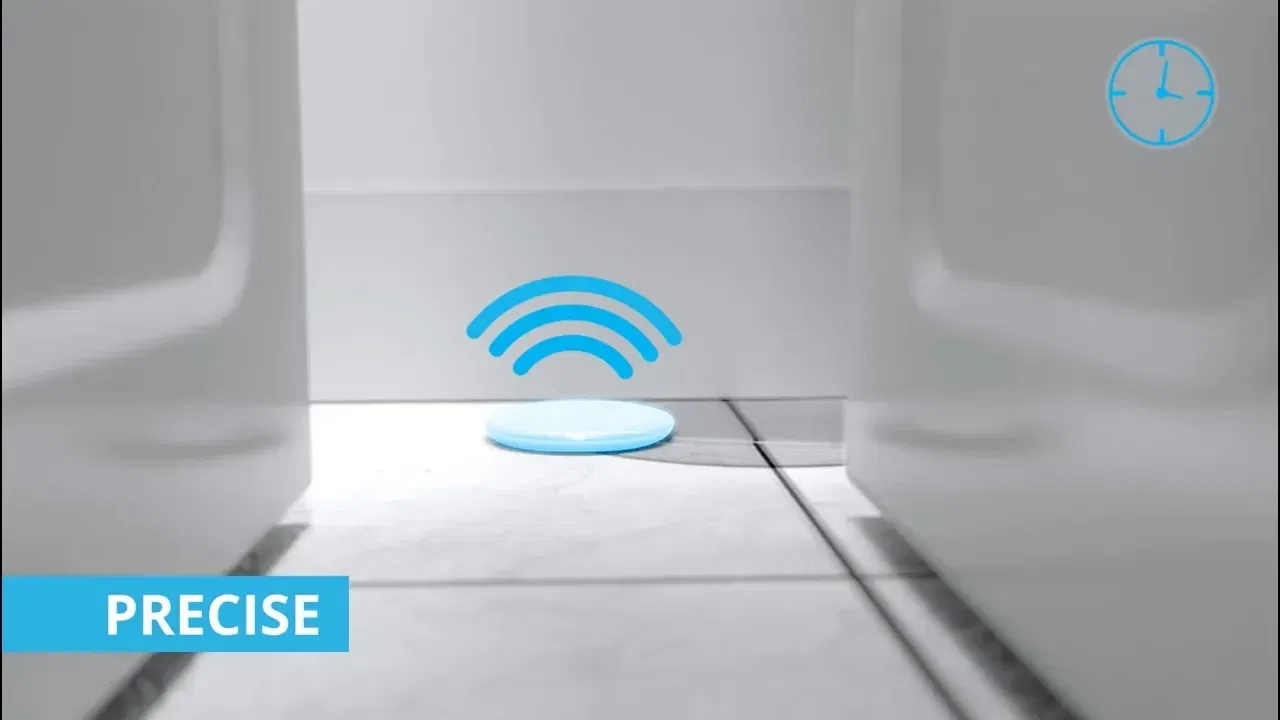
By the time you see bubbling paint or warped baseboards, the interior of the wall is already a breeding ground for mold. This is why our Nowa systems use gold-plated probes with 0.015-inch sensitivity. We catch the moisture the second it hits the floor plate, long before the drywall starts "wicking" the evidence.
7. Ceiling Cavities and Suspended Ceilings
In commercial spaces across the Lower Mainland, suspended "T-bar" ceilings hide a forest of plumbing and fire suppression lines. A small leak from a coupling or a sweat joint can pool on top of a ceiling tile.
The tile might hold that water for days until it suddenly reaches its saturation point and collapses. This often happens over expensive office equipment or retail inventory. Regularly checking for "tea-colored" stains on ceiling tiles is a must, but automated water sensors are the only way to get true peace of mind.
8. Main Plumbing Runs and Aging Riser Pipes
If your building was built more than 20 years ago, your vertical risers are likely reaching the end of their lifespan. Corrosion happens from the inside out. These main lines are under high pressure to move water to the top floors of Vancouver high-rises.
A failure in a main riser isn't a "leak"; it's a waterfall. Understanding the common causes of leaking pipes in older infrastructure is the first step toward building a business case for a preventative retrofit.

9. Foundation Cracks and Utility Penetrations
Water doesn't just come from pipes; it comes from the ground. During a heavy Vancouver rainstorm, hydrostatic pressure builds up against your building’s foundation.
The most common entry points are where utilities (hydro, gas, water mains) enter the building. The seals around these penetrations can degrade over time. If your sump pump system isn't monitored, a failure during a storm could lead to a flooded basement or parking garage in hours.
10. Downspouts and Clogged Gutters
It sounds simple, but it’s a leading cause of "unexplained" water in the parkade. When downspouts are clogged or disconnected, they dump thousands of liters of water right at the base of your foundation.
This saturates the soil and finds every hairline crack in your concrete. Keeping the exterior drainage clear is just as important as monitoring the interior plumbing.
How do you stop a flood before it starts?
Knowing the spots is half the battle. The other half is having the technology to act when you aren’t there. This is where Leak Logic Canada steps in. We don't just provide "alarms" that beep while your building floods; we provide a complete protective shield.
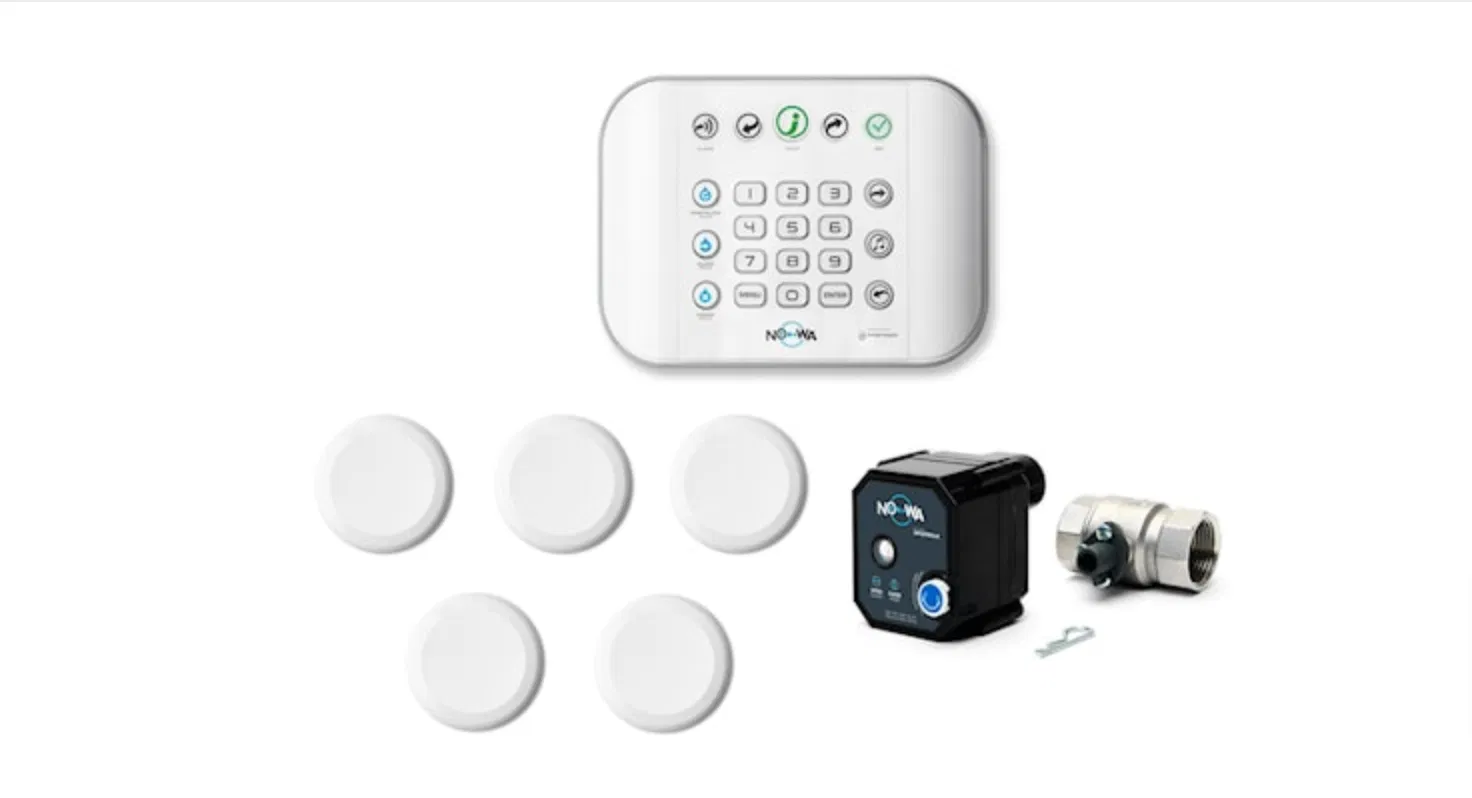
Our Nowa 4S system is specifically designed for the B2B market: Property Managers and Strata Councils who need to manage risk across an entire portfolio.
Why Nowa is the professional choice:
- 0.015-inch Sensitivity: Our sensors detect even a damp film of water.
- Gold-Plated Probes: Unlike cheap plastic sensors, these don't corrode, ensuring they work 10 years from now just as well as they do today.
- 5°C Freeze Alerts: In the winter, we'll alert you if a mechanical room or vacant unit drops to freezing temperatures, preventing burst pipes before they happen.
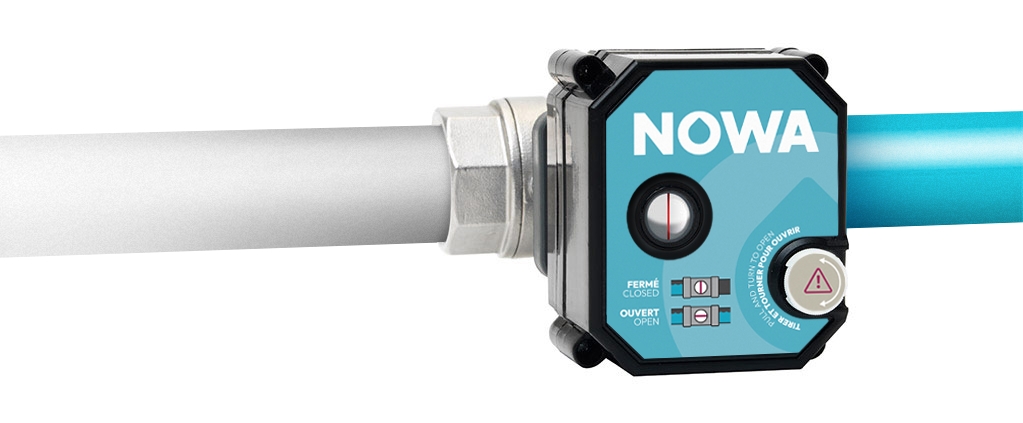
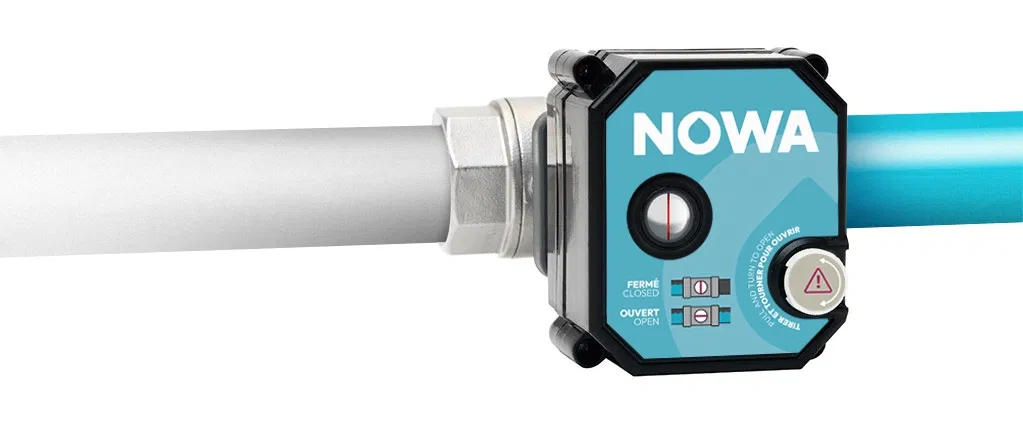
- Automatic Water Shut-Off: The second a leak is detected, the Master Valve closes, stopping the water at the source.
Is your building "insurable" next year?
Insurance companies in BC are becoming increasingly strict. Deductibles for water damage are jumping from $10,000 to $100,000 or even $250,000 for buildings with a history of claims. By implementing a professional leak detection strategy, you aren't just preventing a mess: you’re protecting the financial health of your asset.
Many of our clients see significant insurance savings and reduced premiums simply by showing they have a proactive system in place. It changes the conversation with your broker from "How much will the claim cost?" to "How did we prevent the claim entirely?"
Protect Your Vancouver Portfolio Today
Don't wait for the next "Code Blue" emergency call. Whether you manage a single high-rise in Burnaby, a commercial complex in Richmond, or a large strata portfolio across the Lower Mainland, Leak Logic Canada is your partner in risk reduction.
We specialize in high-rise retrofits and new construction protection. Our team understands the unique pressures of property management in BC, and we’re here to help you move from reactive repairs to proactive protection.
Are you looking for a water damage prevention expert near me?
From Vancouver and Surrey to Coquitlam and beyond, Leak Logic Canada provides the most advanced IoT leak detection solutions in the province.
Contact Randall and the team at Leak Logic Canada today for a building risk assessment. Let’s safeguard your assets and give your residents the peace of mind they deserve.
Contact Leak Logic Canada – Your Local Vancouver Water Protection Experts