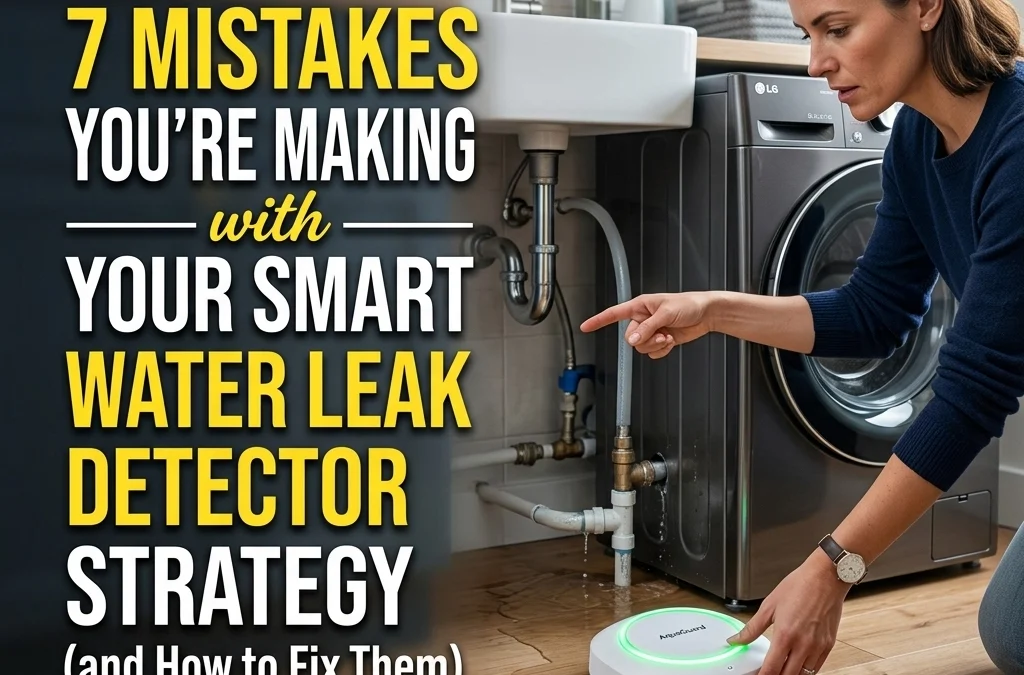
If you are a property manager in Vancouver or a member of a strata council in the Lower Mainland, you already know the nightmare: a 2:00 AM phone call reporting water cascading from the 12th floor down to the lobby. In BC, water damage is the leading cause of insurance claims for multi-unit residential buildings. It’s the primary reason deductibles are skyrocketing and why some buildings are becoming nearly uninsurable.
To combat this, many portfolios have turned to technology. But here is the hard truth: simply buying a few sensors and sticking them under a sink isn't a "strategy." In fact, an incomplete or poorly executed water leak detection system can provide a false sense of security that is almost more dangerous than having no system at all.
Are you making these common mistakes with your smart water leak detector strategy? Let’s look at how to fix them before the next pipe bursts.
1. Underestimating the "Pinhole" Leak (Sensor Sensitivity)
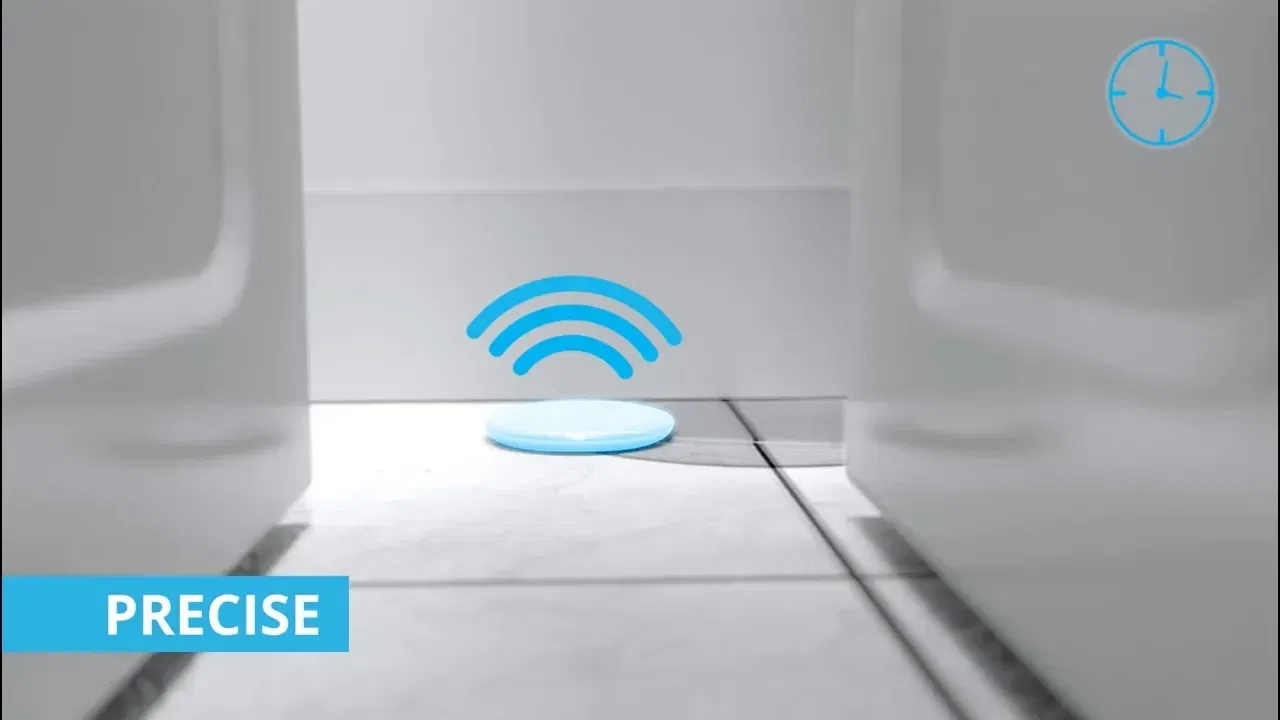
The Mistake: Many off-the-shelf sensors require a significant pool of water to trigger an alert. In a high-rise environment, a "slow" leak can travel through floor slabs and electrical conduits for days before a standard sensor even notices. By then, the structural damage is already done.
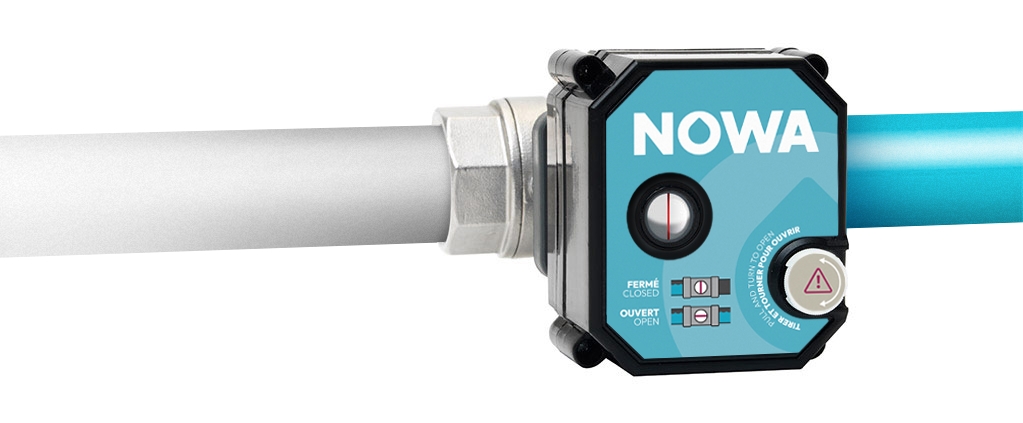
The Fix: You need professional-grade equipment designed for high rise water leak detection. At Leak Logic Canada, we prioritize the Nowa system because its sensors feature a 0.015-inch leak sensitivity. This means the system detects moisture at the very first sign of a problem: long before it becomes a flood.
Moreover, ensure your sensors use gold-plated probes. Standard metal probes can corrode over time in damp environments, leading to sensor failure. Gold doesn’t corrode, ensuring your 24/7 monitoring remains reliable for the long haul.
2. Detection Without Automatic Intervention
The Mistake: Relying solely on a "notification-only" system. If a sensor detects a leak at 3:00 PM on a Sunday, and the property manager is at a family dinner, an app notification doesn't stop the water. In a high-pressure commercial plumbing system, every minute the water runs adds thousands of dollars to the repair bill.
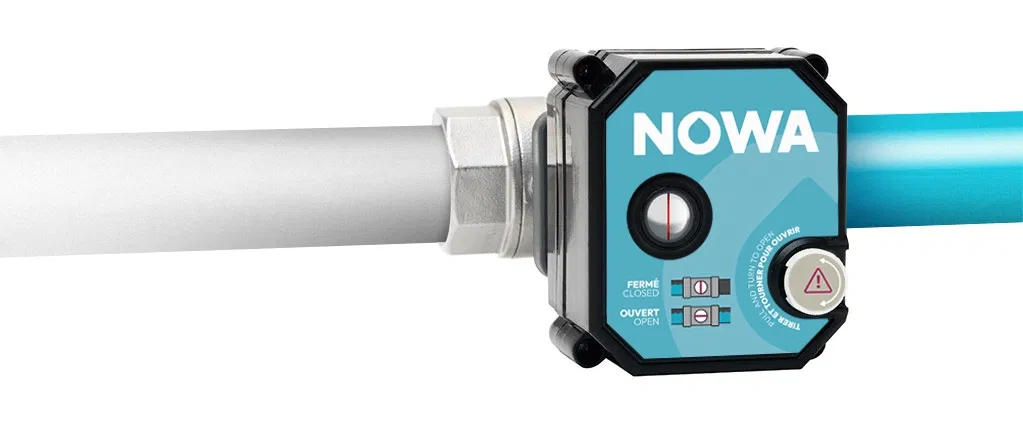
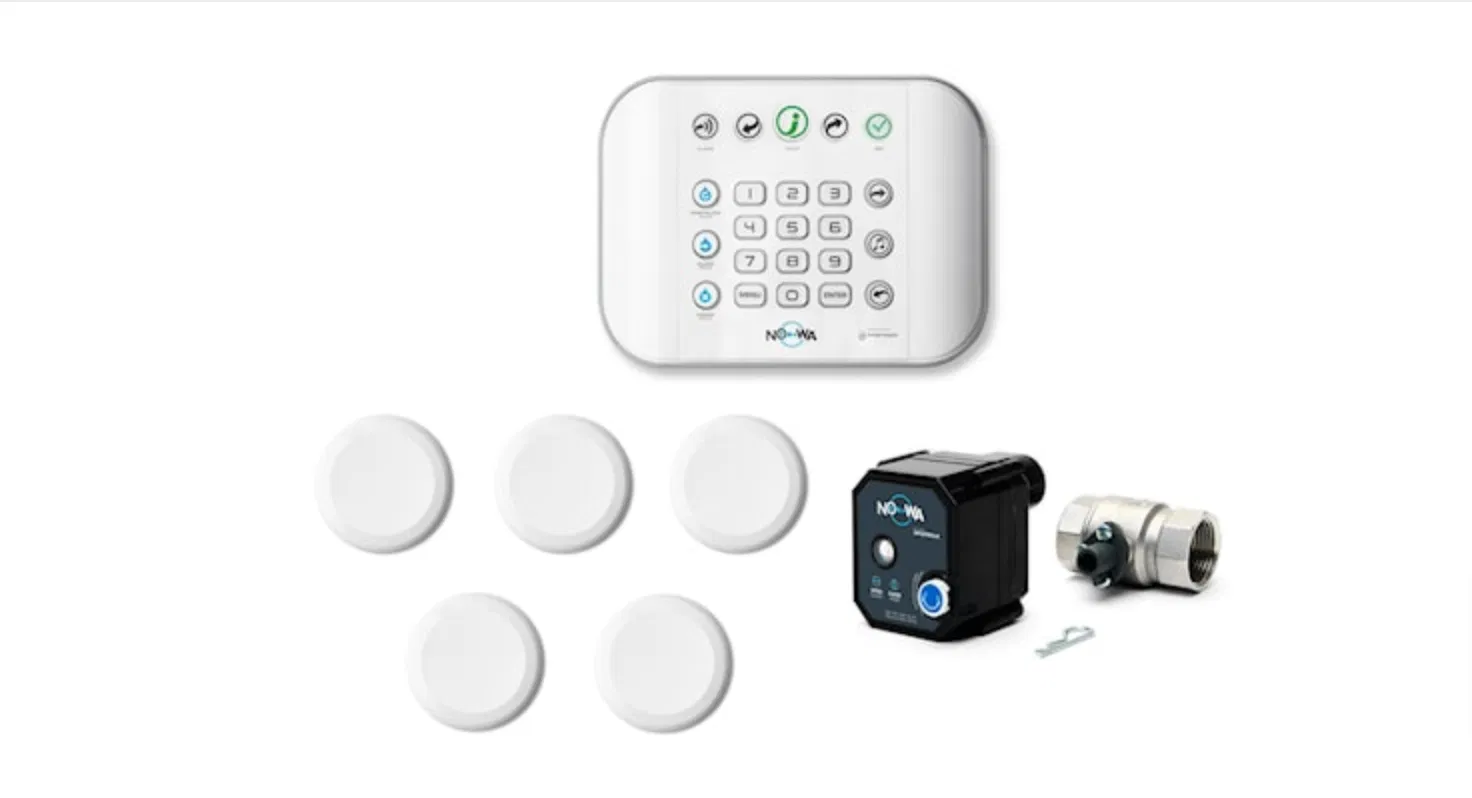
The Fix: A true protective strategy must include an automatic water shut off valve. When the sensor detects moisture, it should communicate instantly with a motorized valve installed on the main water line or the unit's shut-off.
Imagine the peace of mind knowing that even if no one is in the building, the system will physically turn the water off in seconds. This turns a potential catastrophe into a minor maintenance ticket.
3. Relying Entirely on Building Wi-Fi
The Mistake: Using a smart water leak detector that depends entirely on the building's Wi-Fi network. High-rises are notorious for "dead zones" caused by concrete and steel. If the router goes down or the power fails, your leak protection goes dark right when you might need it most (like during a storm).
The Fix: Look for systems that offer LTE/Cellular connectivity or independent control panels. The Nowa 4S systems we install are designed to work independently of the local Wi-Fi if necessary. This ensures that the communication between the sensor, the valve, and the cloud remains unbroken.
Additionally, look for systems with a 10-year battery life for sensors. You don't want your facilities team spending their entire week changing batteries in 200 units.
4. Forgetting the "Freeze" Factor
The Mistake: Thinking leak detection is only about broken pipes or overflowing toilets. In the Lower Mainland, we occasionally hit those sub-zero snaps that wreak havoc on poorly insulated pipes in parking garages or exterior-facing walls.
The Fix: Your strategy should include freeze alerts. A sophisticated system doesn't just wait for water; it monitors ambient temperature. Our systems provide 5°C freeze alerts, giving property managers a "heads up" before a pipe actually freezes and bursts. This proactive approach allows you to get a plumber or technician on-site to insulate the area or increase heat before the damage occurs.
5. Ignoring Insurance Compliance and Certification
The Mistake: Installing a DIY system that isn't recognized by your insurance provider. If your goal is to reduce your deductible or lower your premiums, the hardware needs to meet professional standards.
The Fix: Ensure your system is PREVCAN certified and recognized by major Canadian insurers. Many providers now offer specialized policies (like the Northbridge Insurance Onyx policy) that actually subsidize the cost of these systems because they know they work.
By using an insurance-grade water leak detection system, you aren't just protecting the building; you’re protecting the building’s financial future and insurability.
6. Poor Sensor Placement Strategy
The Mistake: Only placing sensors in the most obvious spots, like under the kitchen sink. Leaks often start in places people rarely look: behind the refrigerator’s ice maker line, under the dishwasher, or near the HVAC condensation pans.
The Fix: Conduct a risk assessment of the entire floor plan. For a strata council, this means identifying common failure points across all units. Strategic placement includes:
- Under washing machines and dishwashers.
- Near hot water tanks.
- Behind toilets.
- Inside mechanical rooms and near main risers.
By covering these "invisible" zones, you ensure that a pinhole leak doesn't turn into a structural rot issue over several months.
7. Lack of a Centralized Management Portal
The Mistake: Managing 50 or 100 individual "smart home" apps for a single building. Property managers don't have time to toggle between different accounts to see which unit has a low battery or which valve was closed.
The Fix: For commercial and multi-unit residential portfolios, a centralized management portal is non-negotiable. You need a dashboard that gives you a bird’s-eye view of the entire building.
At Leak Logic Canada, we provide systems that allow building managers to see the status of every sensor and valve in the complex from a single screen. This "Presence" service means you are never guessing about the safety of your assets.
Protecting Your Vancouver Assets with Leak Logic Canada
The transition from a reactive "mop and bucket" approach to a proactive "detect and shut off" strategy is the single best move a strata council or property manager can make in today's insurance climate.
Whether you are managing a luxury high-rise in downtown Vancouver, a commercial warehouse in Burnaby, or a townhouse complex in Surrey, the goal is the same: eliminate the risk of catastrophic water damage.
Don't wait for the next flood to realize your current strategy has holes in it. We specialize in retrofitting existing buildings with the latest in IoT water protection technology, ensuring your property remains dry, safe, and insurable.
Take control of your building’s risk today.
If you’re looking for a professional water leak detection system near me in Vancouver or the Lower Mainland, contact Randall and the team at Leak Logic Canada. We’ll help you design a fail-safe strategy that protects your assets 24/7.
Call Leak Logic Canada today for a professional consultation and safeguard your property against water damage.