Let’s be honest: if you’re a property manager or sit on a strata council in Vancouver, your biggest nightmare isn’t a missed maintenance fee or a noisy neighbor. It’s that 3:00 AM phone call informing you that a pipe burst on the 14th floor and water is currently turning the elevator shaft into a makeshift Log Ride.
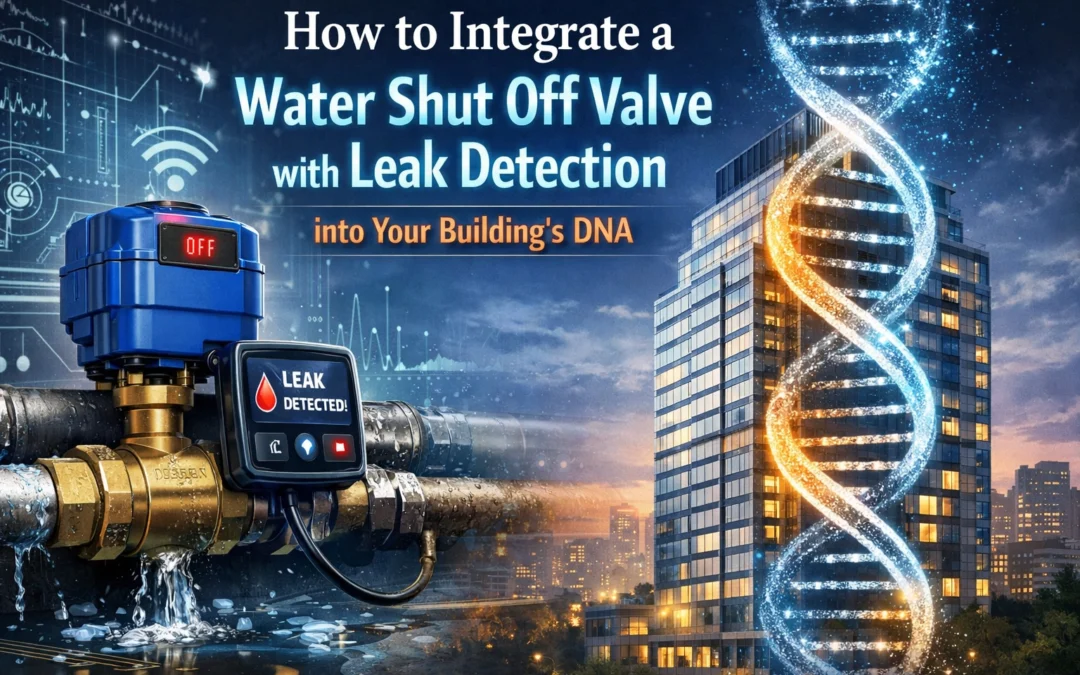
Water damage is the leading cause of insurance claims in Canadian multi-unit residential buildings. It’s expensive, it’s disruptive, and frankly, it’s an operational headache that no amount of coffee can fix. But what if you could bake protection right into the very "DNA" of your building? We aren’t talking about just putting a plastic tray under a water heater. We’re talking about a water shut off valve with leak detection that acts like a digital immune system for your property.
At Leak Logic Canada, we believe that modern high-rises shouldn’t just stand tall; they should think fast. Integrating these systems isn't just an upgrade; it’s a fundamental shift from reactive "mop-and-bucket" management to proactive asset protection.
Why "Good Enough" Sensors Just Don't Cut It
When you’re looking at condo water leak detection, the market is flooded (pun intended) with cheap, DIY-grade sensors. But for a Vancouver high-rise or a commercial portfolio, those plastic hockey pucks are about as useful as a screen door on a submarine.
To truly integrate protection into your building’s DNA, you need industrial-grade precision. Our systems utilize sensors with gold-plated probes. Why gold? Because unlike the cheap stuff, gold doesn't corrode. In the humid mechanical rooms of the Lower Mainland, a standard sensor can oxidize over time, effectively becoming "blind" to moisture just when you need it most.
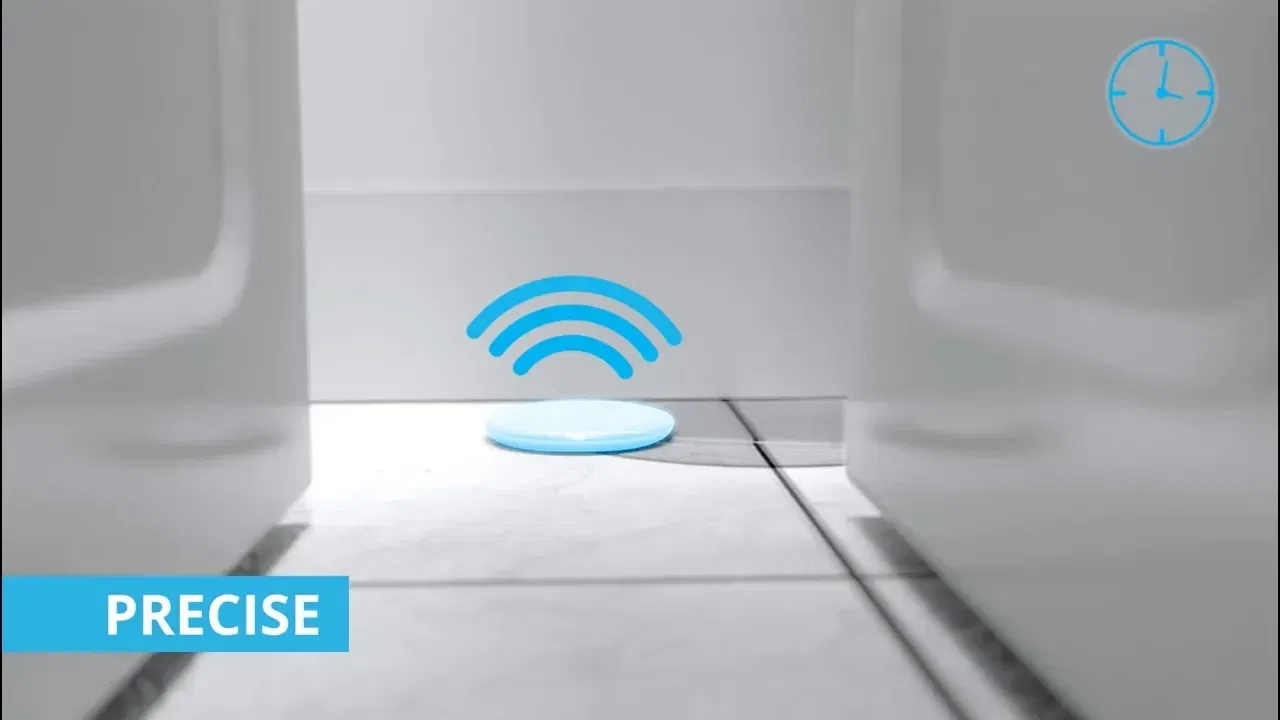
Moreover, these sensors aren't just looking for a puddle; they are calibrated for a 0.015-inch leak sensitivity. That is thinner than a credit card. By the time a "dumb" sensor triggers, the unit below is already ruined. With 0.015-inch sensitivity, you’re catching the "sweat" before it becomes a flood.
The 5°C Rule: Why Your Building Needs a Freeze Alert Sensor
Vancouver might have milder winters than Winnipeg, but we still get those nasty cold snaps that wreak havoc on pipes in parkades and exterior-facing walls. A burst pipe due to freezing is a violent event: it releases massive volumes of water in seconds.
A sophisticated commercial leak detection system doesn't just wait for water; it anticipates the conditions that cause leaks. Our freeze alert sensors are programmed to send an alert the moment the temperature drops to 5°C. This gives your facility team time to check the heat trace or shut off a vulnerable line before the ice expands and the metal gives way. Integrating this into your building’s DNA means your building "feels" the cold before the residents do.
The Muscle: The Automatic Water Shut Off Valve
Detection is only half the battle. If a sensor goes off in a vacant unit on a Sunday afternoon, an alert on a phone is only as good as the person who sees it. To truly protect your assets, the detection system needs a "muscle": the automatic water shut off valve.
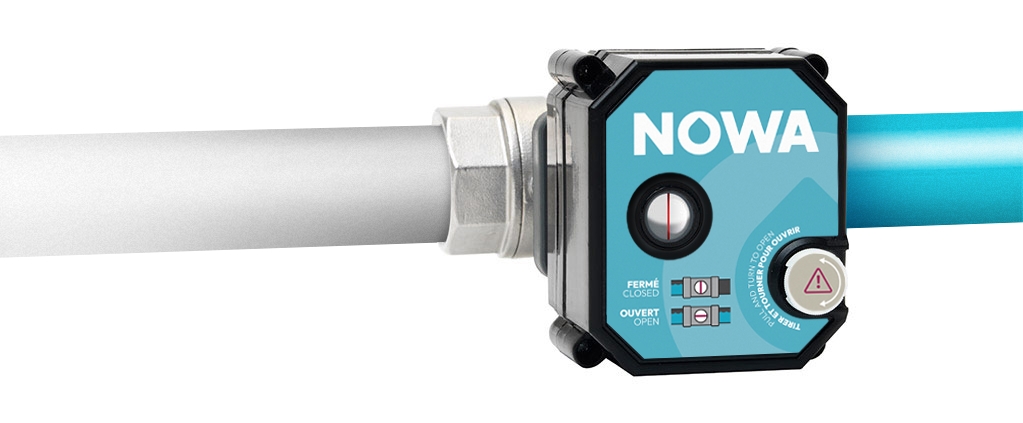
When our sensors detect moisture or a critical temperature drop, they communicate instantly with the control panel, which commands the motorized valve to close. This happens in seconds. No human intervention required. Imagine the reduction in liability when you can tell your insurance provider that your building can literally turn off its own water in under 10 seconds.
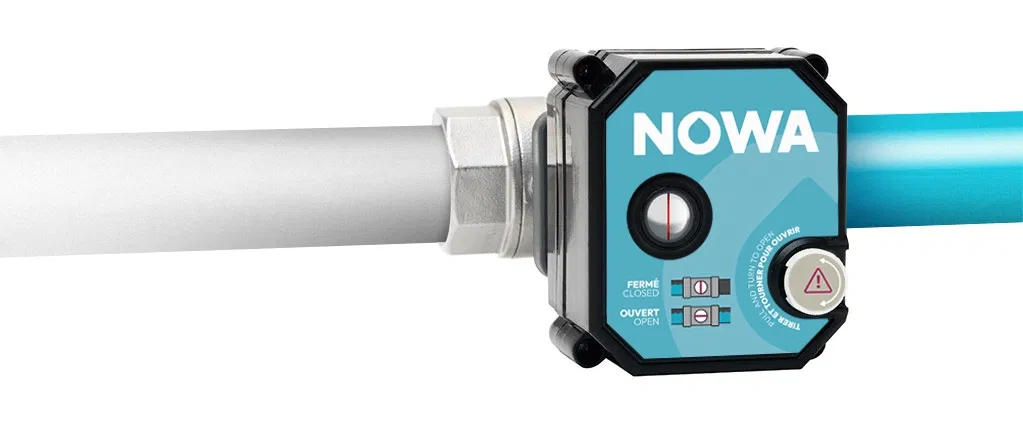
For property managers overseeing large portfolios, this level of automation is a game-changer. It transforms a potential $500,000 claim into a minor $200 plumbing repair. You can learn more about how these valves work in our guide to choosing the best water shut off valve.
Integrating Tech into the Strata Budget
We know what you’re thinking: "This sounds great, but the Strata Council is going to look at the price tag and go back to sleep."
Here is the secret weapon for B2B decision-makers: Insurance companies love this technology. In fact, major Canadian insurers like Aviva, Northbridge, and Intact are increasingly mandating these systems or offering significant premium reductions and deductible slashes for buildings that install them.

By installing water leak sensors for apartments across an entire building, the Strata can often negotiate a lower deductible. Considering that some Vancouver deductibles for water damage have skyrocketed to $100,000 or even $250,000, the system pays for itself the moment it prevents a single major incident. It’s not just a technical upgrade; it’s a smart financial investment.
Remote Monitoring: Your Building in Your Pocket
Integrating leak detection into your building’s DNA also means connecting it to the cloud. With remote monitoring, you’re no longer guessing what’s happening in a mechanical room in Burnaby while you’re at an office in Richmond.
Our PRESENCE service provides 24/7 monitoring. If a sensor is moved, if a battery is low, or if a leak is detected, the right people are notified instantly via LTE: no need to rely on the building’s sometimes-spotty Wi-Fi. This is critical for high-rises where concrete walls act like a Faraday cage. LTE-enabled systems ensure the signal gets through, every time.
How to Start the Integration Process
You don't have to retrofit the entire building overnight. Many of our clients in the Lower Mainland start with high-risk areas:
- Mechanical Rooms: Boilers and main pumps.
- Common Areas: Lobby kitchens and laundry rooms.
- The "Stack" Approach: Installing sensors in all units along a specific plumbing stack that has shown signs of aging.
However, for new construction or major retrofits, a building-wide implementation is the gold standard. It provides the most comprehensive data and the highest level of insurance compliance.
Is Your Vancouver Building Protected?
In a city where real estate is our most precious commodity, leaving your building’s safety to chance is a risk you can’t afford. Whether you are managing a luxury high-rise in Coal Harbour or a sprawling commercial complex in Surrey, integrating a water shut off valve with leak detection is the single most effective way to protect your building’s future.
Don't wait for the next "big one" (and we don't mean an earthquake: we mean a 20-floor flood). Proactive asset protection starts with a simple conversation about your building's specific needs.
Are you a Property Manager or Strata Council member in Vancouver or the Lower Mainland?
Stop worrying about after-hours emergencies and start protecting your portfolio today. For more information on how to integrate world-class leak detection into your building’s DNA, call Leak Logic Canada near me in the Lower Mainland at [Insert Phone Number] or visit us online. Let’s make water damage a thing of the past for your property.