
Hey there. If you’re a property manager in Vancouver or sitting on a strata council in Burnaby, you already know the sinking feeling that comes with a water damage report. It’s not just about the puddle on the floor; it’s about the frantic phone calls at 2 AM, the skyrocketing insurance deductibles, and the months of restoration work that follow.
Most forward-thinking buildings across the Lower Mainland have already realized that a water leak detection system is no longer a luxury: it’s a necessity for asset protection. But here’s the kicker: simply having a system installed doesn’t mean your building is fully protected. Over my years with Leak Logic Canada, I’ve seen some brilliant systems rendered useless because of a few common oversights.
Let’s look at the seven biggest mistakes buildings make with their smart water leak detector setups and, more importantly, how you can fix them before the next big pipe burst.
1. Relying on "Alerts Only" Without an Automatic Shut-Off
Imagine it’s a long weekend. A pipe starts pinhole-leaking in a mechanical room on the 15th floor. Your system sends a notification to a property manager who is currently hiking in North Vancouver with no cell service. By the time someone sees the alert, three floors are soaked.
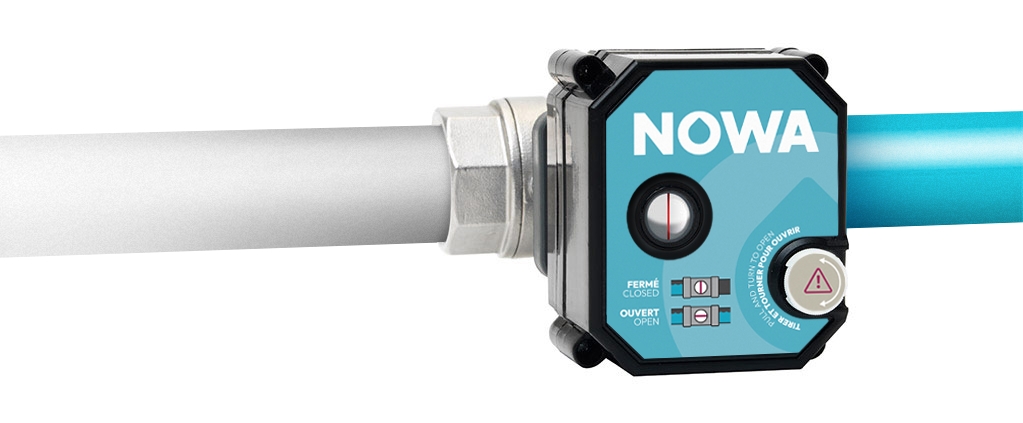
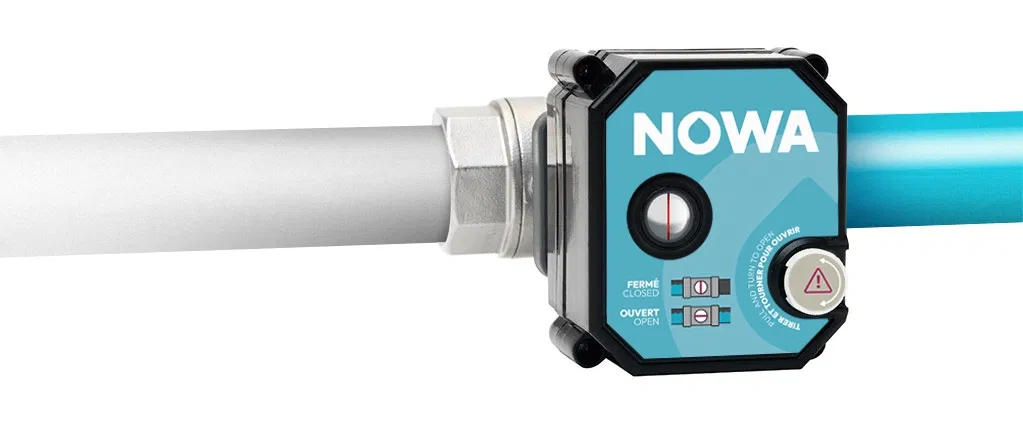
The Fix: A smart water leak detector is only as good as its ability to stop the damage. For high-rise water leak detection, you must integrate an automatic water shut off valve. Our Nowa systems don't just "tell" you there is a problem; they physically turn off the water main the second a leak is detected. This shifts your strategy from "damage management" to "damage prevention."
2. Ignoring the "Hidden" Vulnerabilities
Many strata councils focus all their attention on visible areas: under the kitchen sink or near the dishwasher. While those are important, the most catastrophic leaks often happen where nobody is looking: behind drywall, inside HVAC closets, or near water heaters in locked mechanical rooms.
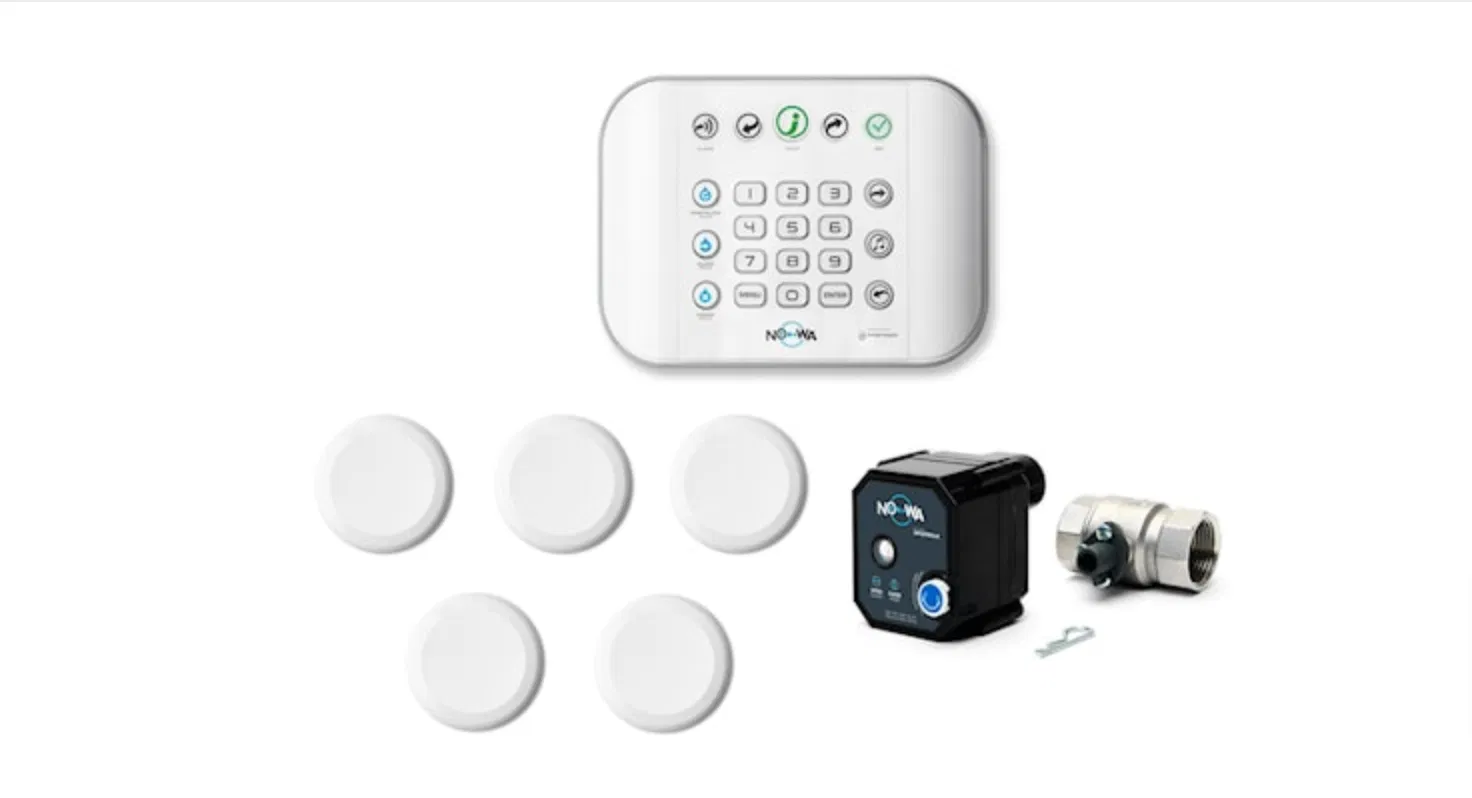
The Fix: You need a comprehensive sensor map. We recommend placing sensors with gold-plated probes (which offer 0.015-inch leak sensitivity) in every high-risk zone. This includes laundry headers, heat pumps, and even near the building’s main riser. If you’re managing a portfolio in Surrey or Richmond, don’t ignore the areas that aren't "eye-level." Hidden leaks can rot structural beams for months before a tenant even notices a damp spot.
3. Using Sensors That Can’t Handle the "Vancouver Humidity"
In the Lower Mainland, we deal with a lot of moisture. Cheap, off-the-shelf sensors often struggle with humidity, leading to two problems: they either corrode and fail, or they trigger constant false alarms. Once a building manager gets three false alarms in a week, they tend to "mute" the system. That is exactly when the real disaster happens.
The Fix: Invest in professional-grade hardware designed for Canadian climates. Our sensors utilize gold-plated probes to prevent corrosion and ensure a perfect connection even after years of sitting in a damp environment. Moreover, our systems include 5°C freeze alerts. In cities like Coquitlam, where winter temperatures can dip unexpectedly, knowing a pipe is about to freeze before it cracks is a game-changer for your insurance premiums.
4. Failing to Test the Communication Range
High-rise buildings are essentially giant Faraday cages made of concrete and steel. A wireless sensor on the 20th floor might have a great battery, but if it can't "talk" to the central control panel because of interference, it’s just a paperweight.
The Fix: Ensure your system uses a dedicated frequency or LTE connectivity that doesn’t rely on the building’s potentially spotty Wi-Fi. The Nowa 4S system we install uses LTE-enabled technology, requiring no cables or routers. This ensures that even if the building’s power or internet goes down, your high rise water leak detection system is still standing guard.
5. Overlooking the Insurance "Fine Print"
Many property managers install a system thinking it will automatically lower their premiums. However, insurance providers in BC are becoming more specific. If your system isn't "certified" or doesn't have a documented maintenance trail, they might not give you the discount you’re expecting.
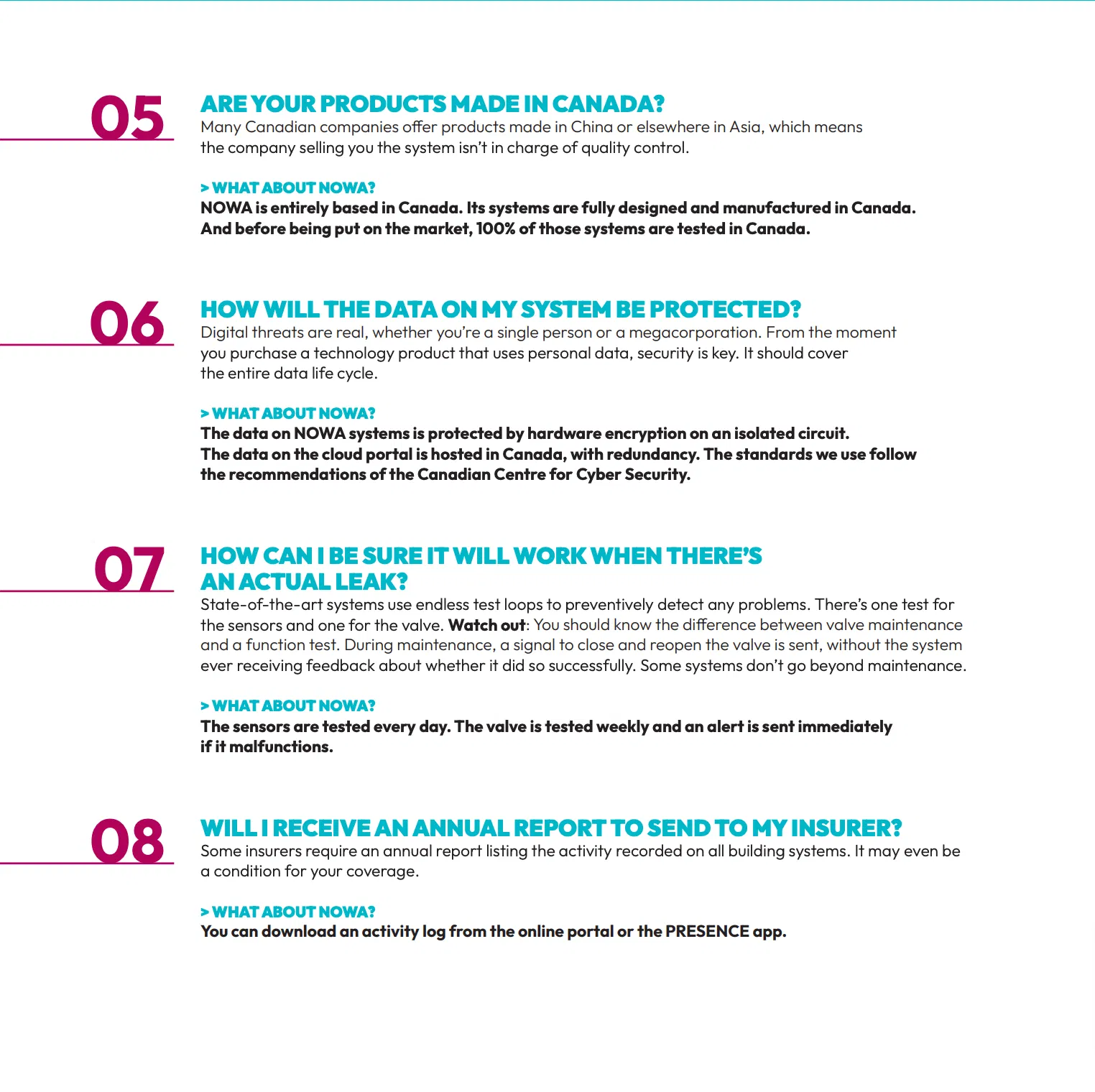
The Fix: Use a system like the Nowa 4S, which is recognized by major insurers like Northbridge. These systems provide hardware encryption and cloud redundancy, meaning you have a digital "paper trail" showing your building is proactively managed. This reduces liability and can significantly lower those massive $50,000+ water damage deductibles we’re seeing in Vancouver strata buildings lately.

6. Poor Sensor Placement (The "Close Enough" Trap)
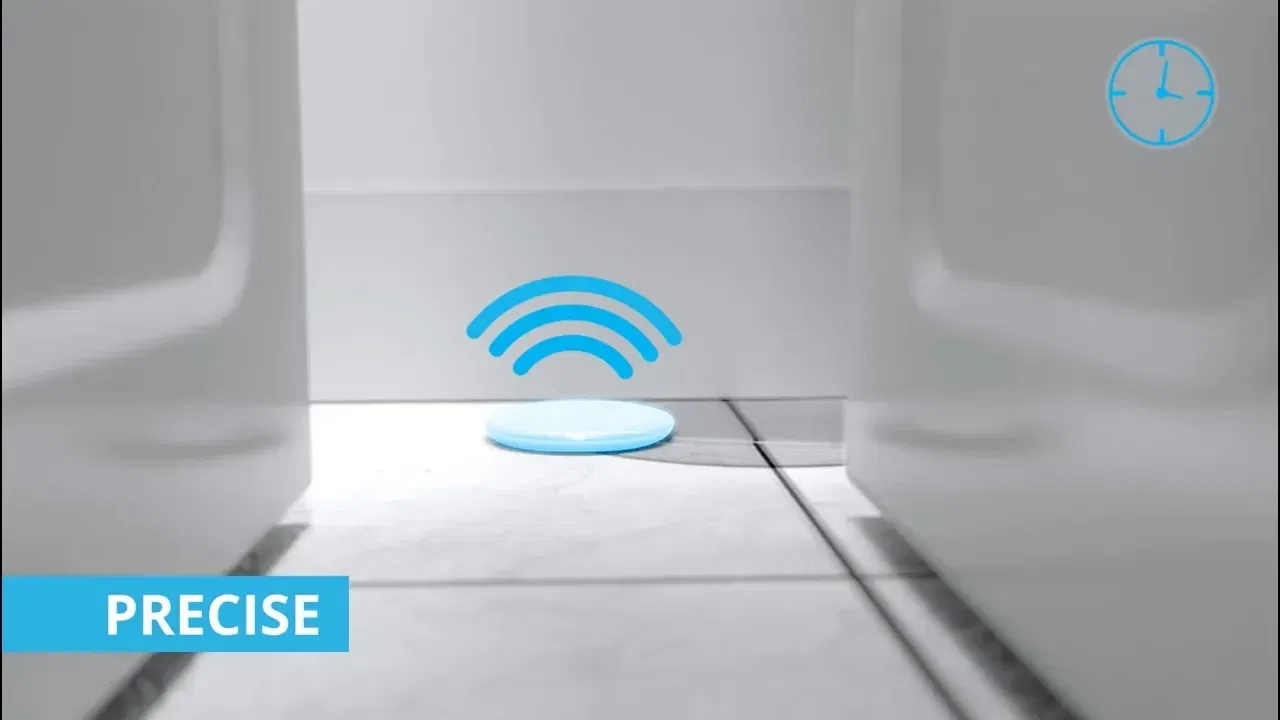
We often see sensors placed "near" a water source, but not exactly where the water would pool first. Gravity is your friend here. If a sensor is placed on a high point of a utility room floor while the drain is at a low point, the water will bypass the sensor entirely.
The Fix: Precision matters. Sensors should be placed at the lowest point of the floor or directly under the most likely fail points (like the supply lines). Our team at Leak Logic Canada performs site-specific assessments to ensure "precise" placement. We look for where the water will go, not just where it’s convenient to put a plastic box.
7. Treating It Like a "Set and Forget" Appliance
A water leak detection system is a piece of life-safety equipment, much like a fire alarm. If you install it and don't check the batteries or test the valves for five years, you’re asking for trouble. Dust and conductive materials can settle on sensors, or valves can seize up if never cycled.
The Fix: Choose a system that does the heavy lifting for you. Our Nowa systems perform daily sensor testing and automated alerts to let you know if a battery is low or a sensor has been moved. We also recommend a "presence" service where professionals (like us!) remotely monitor the health of your system 24/7. This takes the pressure off the building manager and ensures the system actually works when the "big one" (the big leak, that is) happens.
Why This Matters for Your Building
Water damage is the leading cause of insurance claims in multi-unit residential buildings across British Columbia. It’s a quiet threat that drains budgets and destroys tenant satisfaction. By avoiding these seven mistakes, you aren't just buying hardware; you're buying peace of mind for your residents and financial security for your strata corporation.
At Leak Logic Canada, we don't just sell sensors. We partner with you to create a protective shield around your building assets. Whether you're dealing with aging pipes in a West End mid-rise or managing a brand-new luxury tower in Brentwood, the logic remains the same: detect fast, shut off faster.
Protect Your Assets Today
Don't wait for a ceiling to collapse or an insurance adjuster to deliver bad news. If you’re looking for a water leak detection system near me in Vancouver, Burnaby, or anywhere in the Lower Mainland, we’re here to help.
Is your building truly protected? Let’s make sure. Contact Leak Logic Canada today for a comprehensive consultation. Our experts can audit your current setup or design a custom, insurance-approved protection plan for your property.
Protect your building. Protect your budget. Protect your peace of mind.
Call us now at [Insert Phone Number/Contact Link] or visit us at leaklogiccanada.com to learn more about our Nowa leak protection solutions.