
If you manage a high-rise in downtown Vancouver or a strata complex in North Vancouver, you’ve probably had that 3:00 AM phone call. You know the one: the frantic resident, the sound of rushing water in the background, and the sinking feeling in your gut as you realize three floors below are about to become indoor swimming pools.
Water damage isn’t just an "oopsie." In the world of multi-unit residential buildings (MURBs), a single failed flex hose on a washing machine can lead to a $250,000 insurance claim and years of rising deductibles. We call it the "$250k Drip," and honestly, it’s the biggest threat to your building's bottom line.
At Leak Logic Canada, Randall and the team see it every day. Most property managers know they need a water leak detection system, but there’s a massive difference between "having a system" and "being protected." Here are the seven most common mistakes property managers in the Lower Mainland make when trying to safeguard their buildings: and how you can avoid them.
1. The "Wait and See" Approach (Relying on Water Bills)
One of the biggest mistakes we see in property management is treating the monthly water bill as a diagnostic tool. Imagine if your smoke detector only went off once a month when the fire department sent you a bill for the water they used to put out the blaze. Sounds ridiculous, right?
Relying on water bills to find leaks is a recipe for disaster. By the time you notice a spike in consumption on your Metro Vancouver utility statement, that "small" leak has been running for 30 days. In a high-rise environment, a steady drip can hide behind a wall for weeks, rotting studs and creating a massive mold problem before it ever shows up on a bill.
The Fix: You need a smart water leak detector that offers real-time monitoring. The goal is to move from reactive maintenance to proactive protection. You shouldn’t be looking for leaks in a spreadsheet; you should be getting a text alert the second a drop hits a sensor.
2. Thinking Your BMS Is a Leak Specialist
Building Management Systems (BMS) are great for checking if the HVAC is running or if the parkade lights are on. However, relying solely on a general BMS for high rise water leak detection is a common trap.
Most BMS setups are designed for "macro" monitoring. They might tell you the main line is flowing, but they lack the granularity to tell you that Unit 402 has a running toilet or that Unit 905 has a pinhole leak in the kitchen sink line. Furthermore, many of these systems only update once a day or once a week.
The Fix: Integrate a dedicated, specialized system like Nowa Leak Protection Technology. These systems are designed specifically for water events and provide the granular, unit-by-unit data that a standard BMS simply can’t match. Learn more about the common causes of leaking pipes to see why specialized detection is so vital.
3. Buying "Hardware Store" Grade Alarms
We’ve all seen them: the $15 plastic pucks you buy at a big-box store. While they might be okay for a single-family basement in Burnaby, they are completely inadequate for professional property management.
Why? Because these cheap sensors are usually "dumb." They beep loudly, but if no one is home to hear them, they do nothing. Even worse, residents often get annoyed by false alarms and simply take the batteries out, leaving the unit unprotected.
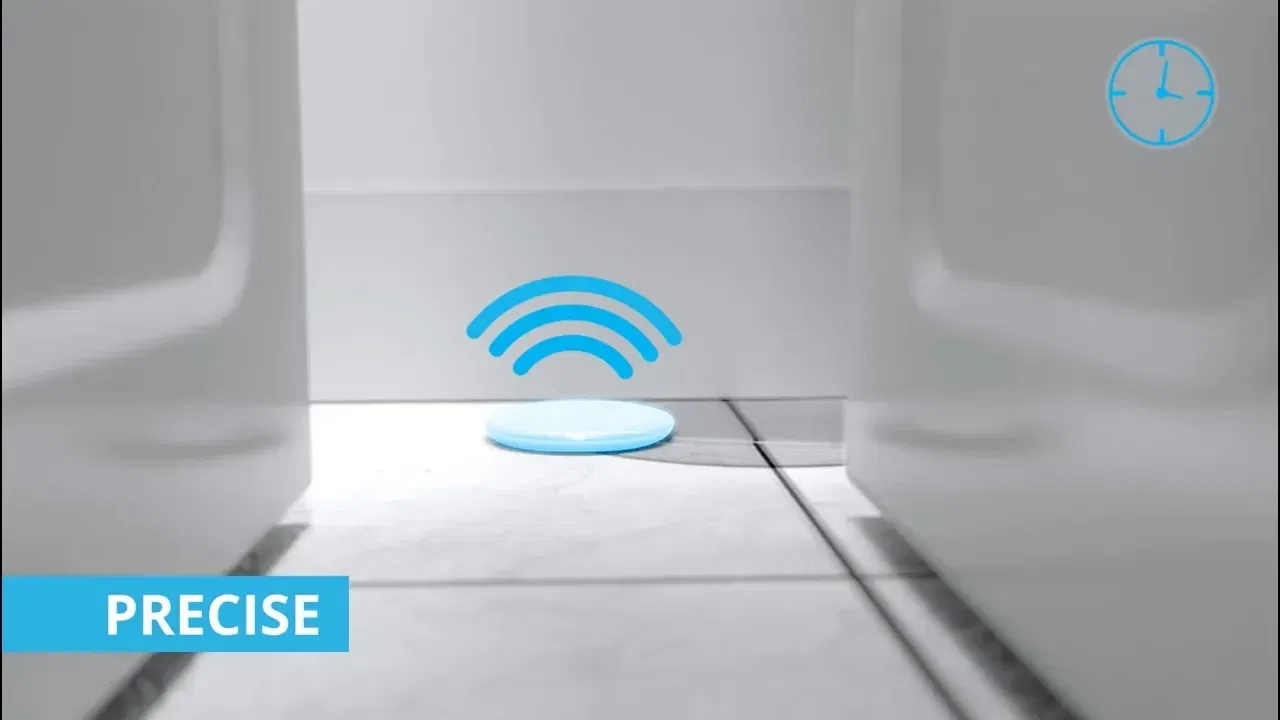
The Fix: Invest in commercial-grade water sensors for leaks and humidity. Professional systems like those offered by Leak Logic Canada feature gold-plated probes for precision and are connected to a central hub that alerts building management instantly, even if the tenant is on vacation in Maui.
4. Detection Without Action (Missing the Auto-Shutoff)
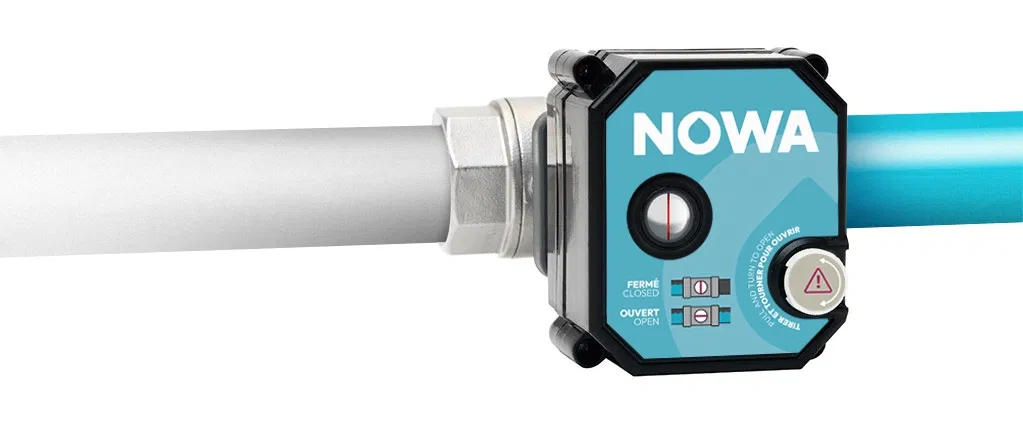
This is perhaps the most expensive mistake on the list. Many property managers install sensors but fail to install an automatic water shut off valve.
Imagine your sensor detects a burst pipe in a Coquitlam condo at 2:00 AM on a Sunday. The system sends an email. You see the email at 7:00 AM. By then, five hours of water has flooded the building. Detection is only half the battle; intervention is what saves the flooring.
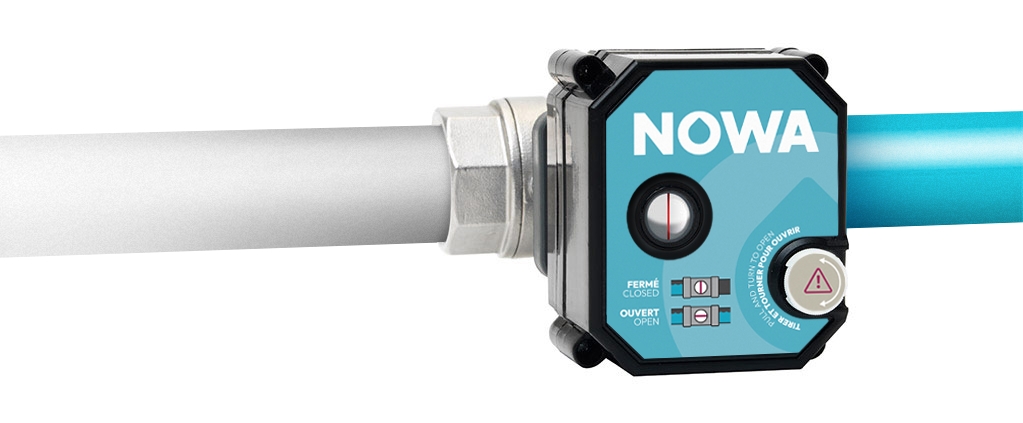
The Fix: A true water leak detection system must include an automatic shut-off component. When the Nowa sensor detects water, it sends a signal to the motorized valve on the unit’s main line, and the water is shut off in seconds. It’s the difference between a damp towel and a total renovation.
5. Poor Sensor Placement (The "Out of Sight, Out of Mind" Error)
If you only put sensors under the kitchen sink, you’re missing 70% of the risk. We see property managers neglect high-risk areas like:
- Behind washing machines (the most common failure point).
- Under dishwashers.
- Near hot water tanks.
- Underneath PTAC (heating/cooling) units.
- In mechanical rooms where condensation can build up.
The Fix: You need precise leak sensor placement. Our team at Leak Logic Canada maps out the high-risk zones in your specific building layout to ensure no "blind spots" are left behind.
6. Relying on "Spotty" Wi-Fi Connectivity
In a concrete high-rise in Vancouver, Wi-Fi is notoriously unreliable. If your leak detection system depends on the tenant’s home Wi-Fi, you are at the mercy of their router being plugged in, their password being correct, and the signal penetrating three layers of rebar-reinforced concrete.
The Fix: Professional systems use LTE or dedicated radio frequencies (RF) that don't rely on the building's internet. The Nowa 4S system, for example, uses an LTE-enabled control panel that stays online even if the power goes out or the resident changes their Wi-Fi password. This ensures wireless monitoring for real estate is actually 24/7.

7. Ignoring Insurance Incentives
This isn't a technical mistake, but a financial one. Many property managers and strata councils view a water leak detection system as a cost. In reality, it’s an investment that often pays for itself through insurance savings.
Major Canadian insurers: like Northbridge, Intact, and Aviva: are tired of paying out for water damage. Many now offer significant premium reductions or even lower deductibles for buildings equipped with certified protection systems. In some cases, insurers like Northbridge even cover the cost of the hardware itself!
The Fix: Don’t leave money on the table. Ask your broker about water leak insurance savings. Using a PREVCAN-certified system ensures you meet the strict requirements of major Canadian insurance providers.

How to Protect Your Building Today
At the end of the day, property management is about risk mitigation. You can’t stop every pipe from aging, but you can stop a leak from becoming a catastrophe.
Whether you’re managing a luxury tower in Coal Harbour or an older multi-family complex in Richmond, the strategy remains the same: Detect, Alert, and Shut Off. By avoiding these seven common mistakes, you aren't just protecting the building: you’re protecting your reputation, your residents' peace of mind, and your insurance premiums.
Why Leak Logic Canada?
We aren't just selling "gadgets." We provide a full-circle safety net. From the initial site walk-through to the professional installation of automatic water shut off valves, our goal is to make sure you never have to deal with that 3:00 AM flood call again.
- Nowa Leak Protection: The gold standard in IoT water damage prevention.
- 24/7 Presence Monitoring: We watch the system so you don't have to.
- Lower Mainland Expertise: We know the specific challenges of BC buildings, from humidity issues to freeze-sensor needs during our rare (but messy) cold snaps.
Don't wait for the next "drip" to become a "deluge."
Ready to safeguard your property? Contact Leak Logic Canada today for a free consultation and see how our smart water leak detection systems can save your building from the $250k drip. Call us at our Lower Mainland office and let’s get your protection plan started.