
Let's be honest: if you're managing properties in Richmond, you've probably had that 2 a.m. phone call about a burst pipe flooding a tenant's unit. Or maybe you've walked into a building on Monday morning only to discover water damage that's been happening all weekend. It's the kind of nightmare that keeps property managers up at night.
Here's the thing: water damage is the number one insurance claim for commercial and residential buildings across the Lower Mainland, and Richmond's high-rise buildings face unique challenges with aging infrastructure, freeze-thaw cycles, and complex plumbing systems. But modern smart water leak detection systems have completely changed the game.
Advanced leak detection technology isn't just about catching leaks: it's about preventing catastrophic damage before it starts. We're talking about systems that monitor your building 24/7, send instant alerts to your phone, and can even shut off water automatically when trouble strikes. Let's dive into the five features that are giving Richmond property managers the peace of mind they deserve.
1. Real-Time Monitoring and Instant Alerts: How Do Smart Systems Know When There's a Problem?
Imagine having a vigilant guard watching every pipe in your building, every minute of every day. That's essentially what real-time monitoring does through smart water meters and sensor networks.
These systems continuously track water usage patterns and flow rates throughout your property. When something doesn't add up: like water running when no one should be using it, or an unusual spike in consumption: you get an instant notification via mobile app, SMS, or email. No more waiting days or weeks to discover a hidden leak through your water bill.

Properties using integrated water leak detection systems report that their response times have dropped from an average of 14 days down to under 30 minutes. Think about what that means in terms of damage prevention. A small drip behind a wall that might have caused $50,000 in structural damage and mold remediation gets caught before breakfast.
For Richmond property managers overseeing multiple buildings: from the high-rises along No. 3 Road to the townhouse complexes in Steveston: this means you can monitor everything from a single dashboard on your phone. You're not physically at every property, but your smart water leak detector is.
2. Automatic Water Shut Off Valves: What Happens When a Leak Is Detected and No One's Around?
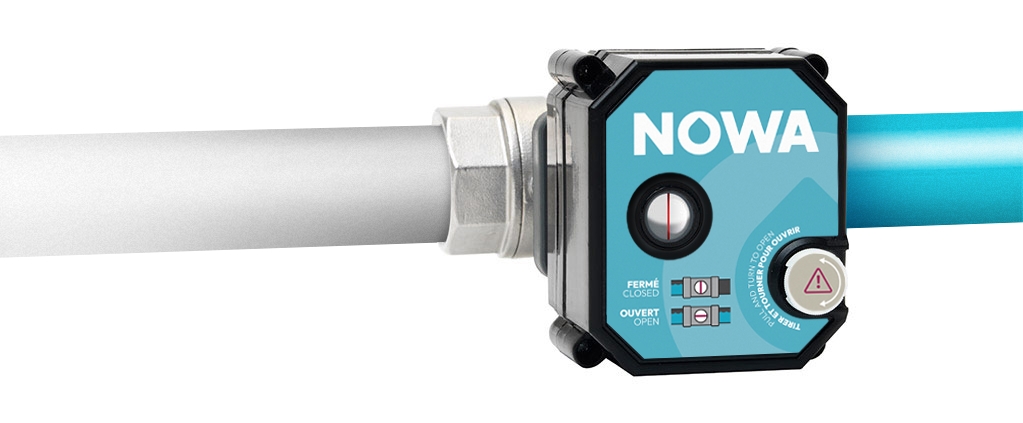
Here's where things get really impressive. An automatic water shut off valve is like having an emergency response team that never sleeps.
When your smart leak detection system identifies a problem, it doesn't just tell you about it: it takes action. The system automatically closes the main water valve or zone valve, stopping water flow within seconds. This is absolutely critical when leaks happen after hours, on weekends, or when your maintenance team is tied up with another emergency.
Think about a typical scenario: It's Saturday night, a pipe bursts in a vacant unit on the 15th floor of a Richmond high-rise building. Without an automatic shutoff system, water could flow for 12-18 hours before anyone notices. With one installed? The system detects the abnormal flow, shuts off water to that zone, and sends you an alert: all within 30 seconds.
This automated response is particularly valuable for preventing secondary damage. Mold starts growing within 24-48 hours of water exposure. By stopping the leak immediately, you're not just preventing water damage: you're preventing the costly mold remediation and structural repairs that follow.
3. Pressure Monitoring: Can Your System Catch Problems Before Pipes Actually Burst?
This is where leak detection gets proactive rather than reactive. Pressure monitoring technology tracks the water pressure inside your pipes continuously, looking for sudden drops that signal trouble.
A leak doesn't always announce itself with water spraying everywhere. Often, it starts small: a tiny crack, a failing seal, a corroded joint. But even a small leak causes a measurable drop in water pressure. Advanced high rise water leak detection systems pick up on these subtle changes and alert you before that small crack becomes a major rupture.

Moreover, pressure monitoring helps identify issues with your plumbing system's overall health. Consistent pressure fluctuations can indicate problems with your building's backflow prevention, pressure-reducing valves, or even issues with the city water supply. For Richmond properties connected to municipal water systems, this early warning system gives you time to investigate and fix problems during regular business hours rather than as emergency repairs.
Additionally, pipe monitoring devices track flow patterns throughout your system. They learn what "normal" looks like for your building: when tenants typically use water, seasonal variations, expected consumption levels. When something deviates from that baseline, you know about it immediately.
4. Moisture and Humidity Sensors: Where Should You Place Sensors to Catch Hidden Leaks?
Water has a sneaky way of finding places you can't easily see: under sinks, behind washing machines, in mechanical rooms, and beneath water heaters. Moisture and humidity sensors are your eyes in these vulnerable spots.
These compact sensors detect excess water accumulation and rising humidity levels that indicate a leak or condensation problem. They're particularly effective in basements, parkades, mechanical rooms, bathrooms, and under kitchen sinks: all the places where leaks tend to hide until they've caused significant damage.
For Richmond property managers, strategic sensor placement is crucial. Consider the common problem areas in Lower Mainland buildings: aging hot water tanks, HVAC condensate lines, sump pumps, and laundry rooms. Each of these represents a potential leak source that could go unnoticed for weeks without proper monitoring.
Modern moisture sensors integrate seamlessly with smart building platforms, giving you remote access to real-time conditions throughout your property. Some systems even measure temperature alongside humidity, helping you identify freeze risk during Richmond's occasional cold snaps: something we'll come back to shortly.
5. Infrared Thermal Imaging: How Can You Find Leaks Behind Walls Without Tearing Them Open?
Here's a technology that seems almost like science fiction but has become an essential tool in advanced leak detection: infrared thermal imaging.
Water escaping from pipes creates temperature variations in surrounding materials. These temperature differences are invisible to the naked eye but show up clearly on thermal imaging cameras. This means you can identify the exact location of a leak behind walls, under floors, or above ceilings without any demolition.

Imagine a tenant reports a damp spot on their ceiling, but you can't see where the water's coming from. Instead of cutting exploratory holes throughout the unit above, a thermal scan pinpoints the leak's precise location. You cut one access point, fix the problem, and restore the area: saving time, money, and minimizing disruption to residents.
For Richmond's older high-rise buildings and concrete structures where pipes run through walls and slabs, this non-invasive detection method is invaluable. It's particularly useful during building inspections, insurance assessments, and preventive maintenance programs.
The Financial Case: Why Richmond Property Managers Are Making the Switch
Let's talk numbers because protecting your investment matters. Properties equipped with active water leak detection systems file 75% fewer water damage insurance claims compared to buildings without this technology. When incidents do occur, properties with detection systems recover 40% faster, meaning less downtime and lost rental income.
Many insurance providers now offer premium discounts of 10-25% for properties with certified leak detection and automatic water shut off valve systems installed. That discount alone can offset the installation cost within a few years: and that's before considering the avoided damage costs.
Consider this: deploying a $500 sensor system in a vulnerable area can prevent a $50,000 damage event. A Richmond property manager recently told us their smart water leak detector caught a hot water tank failure at 3 a.m., shutting off water before it flooded the entire ground floor. The detection system cost $2,800 to install. The estimated damage it prevented? Over $120,000.
Real Peace of Mind for Richmond Property Managers
Beyond the financial benefits, there's something to be said for simply sleeping better at night. Property management comes with enough stress: tenant issues, maintenance scheduling, regulatory compliance, budget management. Water damage shouldn't be another constant worry.
Modern leak detection technology gives you the confidence that your buildings are protected even when you're not physically there. You can take a vacation without checking your phone every hour. You can handle after-hours emergencies knowing your systems are monitoring everything else.
Ready to Protect Your Richmond Properties? Reach Out to Leak Logic Canada
If you're managing properties anywhere in Richmond, Vancouver, or across the Lower Mainland, it's time to have a conversation about upgrading your water leak detection system. The technology exists right now to prevent the kind of catastrophic water damage that can devastate your budget and disrupt your tenants' lives.
Leak Logic Canada specializes in smart water leak detectors, automatic shut-off systems, and 24/7 monitoring solutions specifically designed for BC's commercial and multi-family buildings. We understand the unique challenges Richmond property managers face: from aging infrastructure to insurance requirements to the need for reliable, round-the-clock protection.
Don't wait for the next burst pipe to force your hand. Visit leaklogiccanada.com or call Leak Logic Canada today to schedule a free property assessment. We'll walk through your building, identify vulnerable areas, and design a leak detection system that gives you complete peace of mind: 24/7, 365 days a year.
Your tenants will thank you. Your insurance company will thank you. And most importantly, you'll finally get a good night's sleep knowing your properties are protected.