
If you're managing apartments, condos, or multi-family buildings in Vancouver or anywhere across the Lower Mainland, you already know that water damage keeps you up at night. One leak in a high-rise can cascade through multiple floors, displacing tenants, triggering insurance claims, and costing your property tens of thousands in repairs. The stakes are even higher when you consider that over 70% of insurance claims in multi-dwelling units involve water damage.
The good news? Modern water leak detection systems have evolved into powerful tools that give property managers real-time visibility, automatic protection, and peace of mind: all without disrupting your tenants or requiring a full building retrofit.
Why Multi-Dwelling Units Face Unique Water Damage Risks
Unlike single-family homes where a leak stays contained, apartment buildings and condos have shared plumbing infrastructure stacked vertically across multiple floors. A toilet overflow on the 12th floor doesn't just affect one unit: it seeps through ceilings, walls, and floors, impacting residents on the 11th, 10th, and potentially lower floors before anyone even notices.
Vancouver's older buildings face additional challenges. Many were constructed decades ago with aging pipes, and the combination of fluctuating temperatures and high water pressure can push those systems to their limits. Add in the reality that tenants aren't always home to catch leaks early, and you've got a recipe for disaster.
That's where smart water leak detectors come in.
How Smart Leak Detection Systems Actually Work

Modern water leak detection systems aren't complicated: they're just smart. Here's the basic setup:
Wireless sensors are placed in high-risk areas throughout your building (we'll get to placement in a minute). These sensors continuously monitor for the presence of water where it shouldn't be. The moment water is detected, the system sends instant alerts via text message, email, or mobile app to your facilities team.
What makes these systems particularly suited for multi-family properties in Vancouver is their standalone cellular or wireless connectivity. You don't need to integrate them with building WiFi or rewire anything: they work independently, which means you can deploy them across an entire property in hours, not weeks.
Battery life? Most quality sensors run for 5-6 years on a single battery with zero maintenance required. And unlike older alarm-only systems, today's solutions provide centralized dashboards where you can monitor every sensor across multiple buildings from one screen.
Automatic Water Shut Off Valves: Your Building's Emergency Stop Button
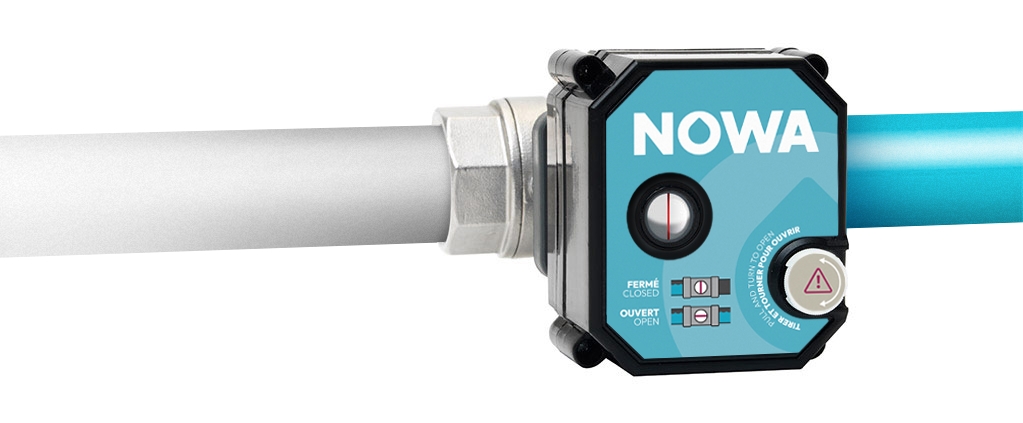
Detection is critical, but automatic water shut off valves take protection to the next level. These valves install on main water lines or individual unit supply lines and physically stop water flow the instant a leak is detected.
Imagine a burst washing machine hose in a 20th-floor unit at 3 a.m. Without an automatic shutoff valve, water flows until someone notices and manually shuts it off: potentially hours later. With an automatic valve? The system detects the leak, sends alerts, and immediately cuts off the water supply, containing the damage to one unit instead of flooding an entire wing.
For property managers overseeing high-rise buildings in Vancouver's downtown core or sprawling complexes in Burnaby, this technology is a game-changer. It means your overnight maintenance team doesn't need to scramble to locate shut-off valves in an emergency: the system handles it automatically.
Where to Place Leak Detection Sensors in Multi-Dwelling Units
Strategic placement is everything. You want sensors where water damage is most likely to start and spread. Based on years of deployment data, here are the highest-priority locations:
Inside Individual Units:
- Under kitchen and bathroom sinks
- Behind dishwashers and washing machines
- Near water heaters and hot water tanks
- Around toilets and bathtubs
- Under HVAC units and furnaces
Common Areas:
- Laundry rooms (major leak zones)
- Fitness center locker rooms and showers
- Parking garage utility rooms
- Storage and mechanical rooms
- Elevator shafts (surprisingly common leak points)
Building Infrastructure:
- Rooftop mechanical rooms
- Fire sprinkler system risers
- Boiler rooms and water storage tanks
- Crawl spaces and basement utility areas

For Vancouver properties, don't forget about outdoor irrigation systems and parkade areas: freeze-thaw cycles and seasonal rain can create hidden leaks that go unnoticed until the damage is severe.
What to Look for in a High Rise Water Leak Detection System
Not all systems are created equal. When you're evaluating options for your multi-family property, prioritize these features:
Centralized Property Management Dashboard: You need one interface to monitor every sensor across all your units and buildings. Real-time status updates, historical data, and the ability to manage alerts remotely are non-negotiable.
Scalability: Whether you're managing a 30-unit building in Richmond or a 500-unit complex in Surrey, your system should scale seamlessly. Cloud-based platforms handle thousands of sensors without performance issues.
Leak Severity Intelligence: Advanced systems distinguish between a few drops of condensation and a catastrophic pipe burst. This means you can prioritize response: sending emergency crews for major leaks while scheduling routine maintenance for minor drips.
Integration Capabilities: The best systems integrate with building management software, work order systems, and even insurance platforms to streamline documentation and claims processes.
Local Support: When you're dealing with an emergency leak at 2 a.m., you need support from a team that understands BC buildings and can respond quickly. Local expertise matters.
The Financial Case: ROI and Insurance Benefits
Let's talk numbers, because that's what matters to property owners and boards.
Buildings using comprehensive water leak detection systems report average ROI of 147% or higher within the first year. How? By preventing catastrophic damage that would otherwise cost $50,000-$100,000+ per incident: not to mention the avoided costs of tenant displacement, lost rental income, and emergency remediation.
Insurance companies are catching on too. Many BC insurers now offer premium discounts for properties with monitored leak detection systems because the data shows these buildings file significantly fewer claims. Some property managers report premium reductions of 10-20% after installing comprehensive systems.
Beyond direct savings, these systems help identify hidden inefficiencies. Running toilets, dripping faucets, and inefficient irrigation systems all show up in the data, helping you understand exactly where your water costs are coming from and how to reduce them.

Implementation Without Tenant Disruption
One of the biggest concerns property managers raise is tenant disruption during installation. The reality? Modern systems are designed for minimal intrusion.
Wireless sensors install in minutes without drilling, wiring, or accessing walls. For common areas, installation can happen during regular business hours. For individual units, most deployments take less than 15 minutes per unit: quick enough to schedule during routine maintenance visits or lease turnovers.
This is especially important for older Vancouver buildings where major retrofits would be prohibitively expensive. You get cutting-edge protection without the renovation headaches.
Beyond Leak Detection: Water Conservation and Sustainability
Here's a bonus benefit that resonates with tenants and boards alike: water conservation. Properties using smart monitoring systems across BC have collectively saved billions of gallons of water by identifying and fixing inefficient fixtures, hidden leaks, and wasteful irrigation.
For strata councils and property managers focused on sustainability certifications or green building initiatives, leak detection systems provide measurable environmental impact data: tracked water savings, reduced carbon footprint from avoided damage/remediation, and documented conservation efforts.
Vancouver tenants increasingly care about living in environmentally responsible buildings. A comprehensive leak detection system becomes a selling point for your property.
Protecting Your Vancouver Properties with Leak Logic Canada
Water damage doesn't give warnings, but you can be ready before it strikes. Whether you're managing a high-rise in downtown Vancouver, garden-style apartments in Burnaby, or townhouse complexes in Richmond, a comprehensive water leak detection system with smart sensors and automatic water shut off valves is your first line of defense.
At Leak Logic Canada, we specialize in protecting multi-dwelling properties across the Lower Mainland. Our systems are designed for BC buildings: from older heritage apartments to modern high-rises: and our local team understands the unique challenges Vancouver property managers face.
Ready to protect your property and give yourself (and your tenants) peace of mind? Call Leak Logic Canada today for a free consultation. We'll assess your property's specific risks, design a customized detection system, and show you exactly how much you can save in avoided damage and insurance costs.
Don't wait until the next leak becomes a catastrophe. Protect your investment now.
Contact Leak Logic Canada: https://leaklogiccanada.com