
If you manage a high-rise in Vancouver, you've probably lost sleep over water damage. One burst pipe on the 20th floor can cascade into a six-figure nightmare before you even get the call.
So you start researching leak detection systems. And immediately hit a wall: spot sensors or whole-building detection?
Here's the truth nobody tells you upfront: the answer isn't either/or.
Let's break down both options, their limitations, and why the smartest property managers in the Lower Mainland are choosing a hybrid approach.
What Are Spot Sensors (And Why They're Popular)?
Spot sensors, also called point detection sensors, are small devices placed at specific high-risk locations. Think under water heaters, near washing machine connections, beneath HVAC drain pans, and around toilet supply lines.
When both probes touch water simultaneously, the alarm triggers.
They're affordable. Easy to install. And they work well for monitoring known trouble spots in your building.

The Upside
- Targeted protection at high-risk equipment
- Lower upfront cost ($50-150 per commercial-grade unit)
- Simple installation in mechanical rooms, under sinks, near valves
- Immediate alerts when water hits the sensor location
For a single condo unit or small commercial space, spot sensors can be a solid choice. But high-rises? That's where things get complicated.
The Problem With Spot Sensors Alone
Here's the catch: spot sensors only detect water where you put them.
In a 30-story building with hundreds of units, multiple mechanical rooms, and miles of piping? You're playing whack-a-mole with water.
Water doesn't follow rules. It travels through walls, seeps under floors, and pools in places you'd never think to monitor. A leak on floor 15 can damage units on floors 14, 13, 12, and by the time it reaches a sensor in the basement mechanical room, you're looking at catastrophic damage.
Coverage gaps are the silent killer of spot-sensor-only strategies.
What Is Whole-Building Leak Detection?
Whole-building systems take a broader approach. Instead of monitoring individual points, they track water flow patterns, pressure changes, or use continuous cable sensors that detect moisture along their entire length.
Some systems integrate with your building's main water supply to identify abnormal consumption, like a toilet running all night or a slow leak behind a wall that wouldn't trigger a point sensor for weeks.

The Upside
- Broader coverage across large areas
- Detects slow leaks that point sensors miss
- Flow monitoring catches abnormal water usage patterns
- Linear cable sensors can wrap around pipes and cover raised floors
The Problem With Whole-Building Systems Alone
Here's the flip side: whole-building systems can miss localized, fast-developing leaks at specific equipment.
A water heater that suddenly fails and floods a mechanical room? A whole-building flow monitor might take time to register the anomaly. By then, the damage is done.
Additionally, relying on a single detection technology struggles to address the diverse risk profile of a complex high-rise. Mechanical rooms, individual units, HVAC systems, vertical pipe runs, each has different leak patterns and detection needs.
The Hybrid Approach: Why Vancouver Property Managers Are Going Both Ways
The most effective leak detection strategy for high-rises isn't choosing one technology over the other.
It's combining both.
Think of it like this: spot sensors are your first responders at known danger zones. Whole-building systems are your surveillance network catching everything else.
Together? Comprehensive protection with minimal blind spots.
How a Hybrid System Works
Spot sensors go at high-risk points on every floor:
- Under water heaters and boilers
- Near washing machine and dishwasher connections
- In HVAC drain pans
- At toilet and sink supply lines
- Around valves and pumps in mechanical rooms
Cable or rope sensors provide continuous coverage:
- Under raised floors
- Along walls in mechanical rooms
- Wrapped around vertical pipe runs
- Throughout common areas and storage spaces
Flow-based monitoring adds another layer:
- Tracks building-wide water consumption
- Flags abnormal patterns (slow leaks, running toilets, phantom usage)
- Provides data for predictive maintenance
This hybrid approach ensures you're detecting both pinpoint equipment failures and broad-area incidents simultaneously.

Why Sensor Quality Matters More Than You Think
Here's something most property managers overlook: not all sensors are created equal.
Cheap sensors corrode. They give false alarms. They fail when you need them most.
This is where Nowa technology changes the game.
Nowa leak detection systems feature gold-plated sensor probes, a detail that sounds fancy but serves a critical purpose. Gold doesn't corrode. It maintains consistent conductivity over years of use, even in humid environments like mechanical rooms and bathrooms.
The result? Fewer false alarms. More reliable detection. Longer sensor lifespan.
For high-rise property managers dealing with hundreds of sensors across dozens of floors, this reliability isn't a luxury, it's essential. One false alarm at 3 AM is annoying. Dozens of them? Your staff starts ignoring alerts. And that's when real leaks slip through.
Learn more about smart water leak detector benefits and why sensor quality should top your priority list.
The Vancouver Factor: Why Local Conditions Matter
Managing a high-rise in Vancouver comes with unique challenges.
Aging building stock. Many towers in the Lower Mainland are 30, 40, even 50 years old. Original plumbing systems are reaching end-of-life. Leak risk increases every year.
Rainy climate. Humidity levels stay high for months. Sensors in damp environments corrode faster, unless they're built to handle it (hello, gold-plated probes).
Insurance pressure. Insurers are tightening requirements for water damage coverage. Some are mandating leak detection systems as a condition of renewal. A hybrid approach demonstrates proactive risk management.
Strata complexity. High-rises often have multiple stakeholders: strata councils, property managers, individual owners. A comprehensive detection system protects everyone and simplifies liability questions when incidents occur.
For strategies specific to condo environments, check out our guide on preventing condo water damage.
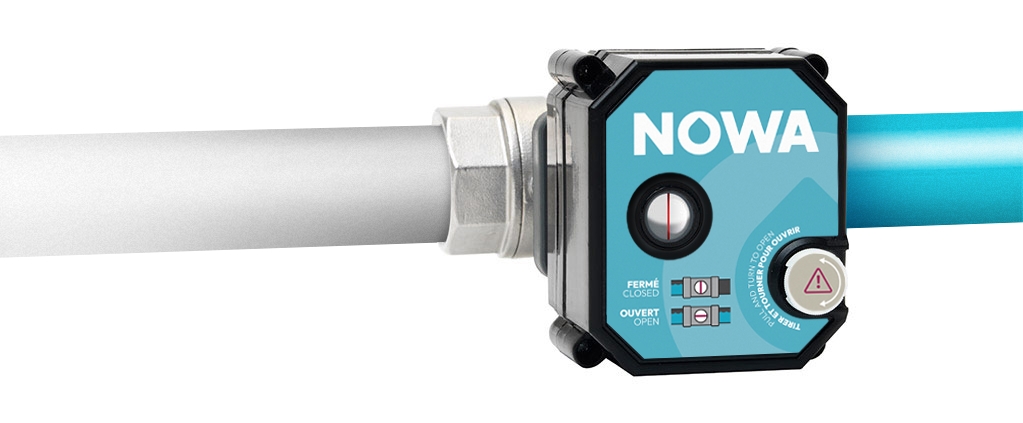
What About Automatic Shut-Off Valves?
Detection is only half the equation. The other half? Stopping the water before it causes serious damage.
Pairing your hybrid detection system with automatic water shut-off valves transforms your approach from reactive to proactive.
When sensors detect a leak, the system can automatically close the main water supply: or isolate specific zones: within seconds. No waiting for a maintenance call. No hoping someone checks their phone at 2 AM.
This combination of detection + automatic response is where modern leak protection really shines.
We cover the ins and outs of this technology in our post on water sensors for leaks and humidity.

The Bottom Line: Which Is Better?
Neither spot sensors alone nor whole-building detection alone is optimal for high-rises.
The answer is both.
A hybrid approach: combining targeted spot sensors at high-risk equipment, linear cable sensors for broad coverage, and flow-based monitoring for building-wide awareness: provides the most reliable and cost-effective protection.
Add in quality sensors with features like Nowa's gold-plated probes, and you're building a system that lasts.
Quick Decision Framework
| Building Type | Recommended Approach |
|---|---|
| Single condo unit | Spot sensors at key points |
| Small commercial space | Spot sensors + flow monitoring |
| Mid-rise (5-15 floors) | Hybrid system recommended |
| High-rise (15+ floors) | Hybrid system essential |
Ready to Protect Your Building?
Water damage in a high-rise isn't a matter of if: it's when. The question is whether you'll catch it in time.
A hybrid leak detection system gives you the best chance of catching leaks early, minimizing damage, and keeping your residents (and your insurance company) happy.
Want to explore what a hybrid system looks like for your specific building? Visit Leak Logic Canada to learn more about Nowa technology and gold-plated sensor solutions designed for Vancouver's demanding high-rise environment.
Your building deserves protection that actually works.