
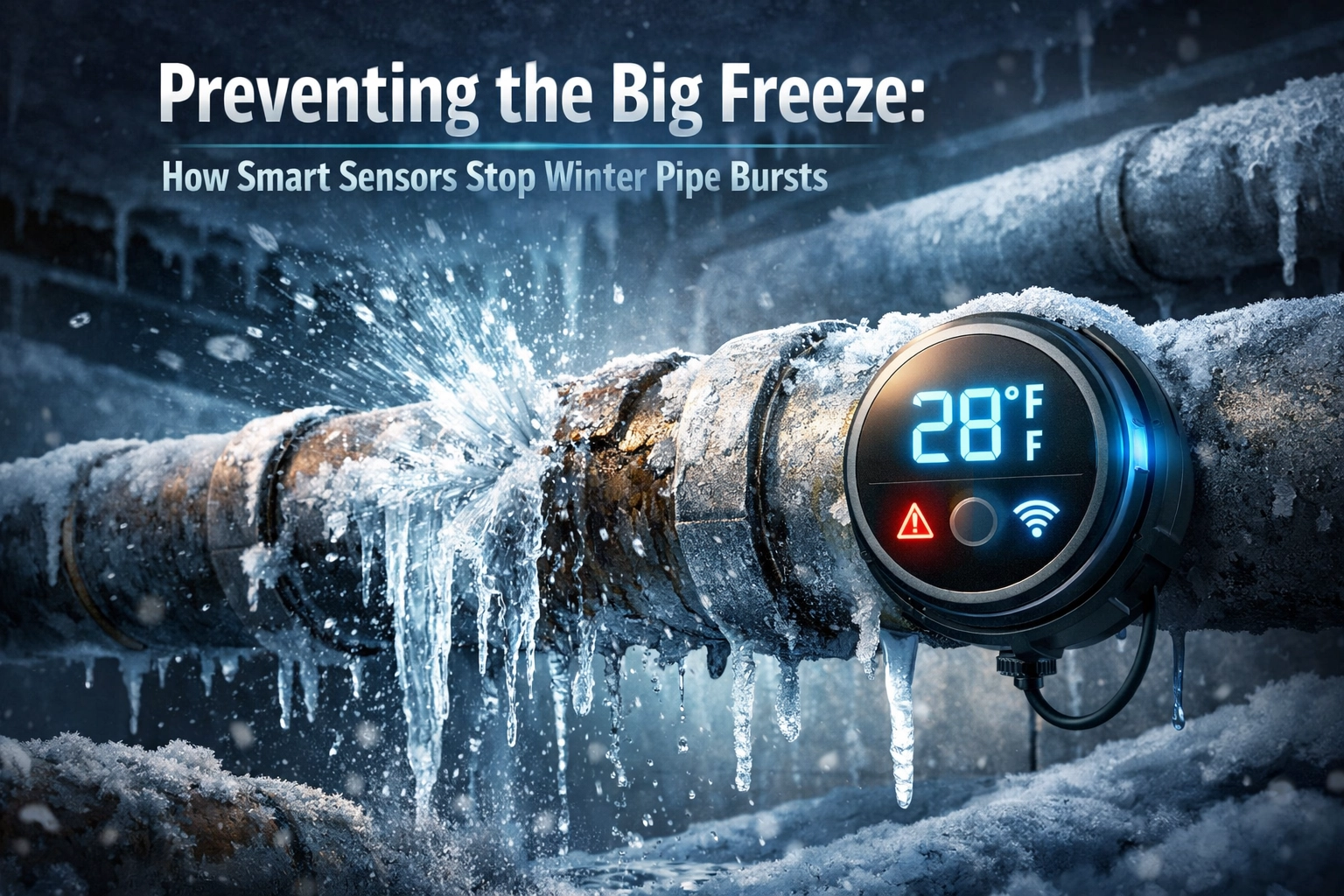
Vancouver winters might not see the extreme cold of the prairies, but they bring their own unique freeze risk: especially in those vulnerable spaces you might not think about daily. One night of plunging temperatures in an unheated parkade, an empty unit during the holidays, or a construction site left overnight can turn into a $50,000 insurance headache by morning.
The good news? Smart freeze alert sensors have evolved far beyond basic alarms. Modern systems like those from Leak Logic Canada now detect dangerous drops to 5°C (41°F), well before water actually freezes: giving property managers and site supervisors the precious time needed to prevent catastrophic pipe bursts.
Let's break down exactly how this technology protects your properties and why that early 5°C threshold matters more than you might think.
The Science Behind Frozen Pipe Disasters
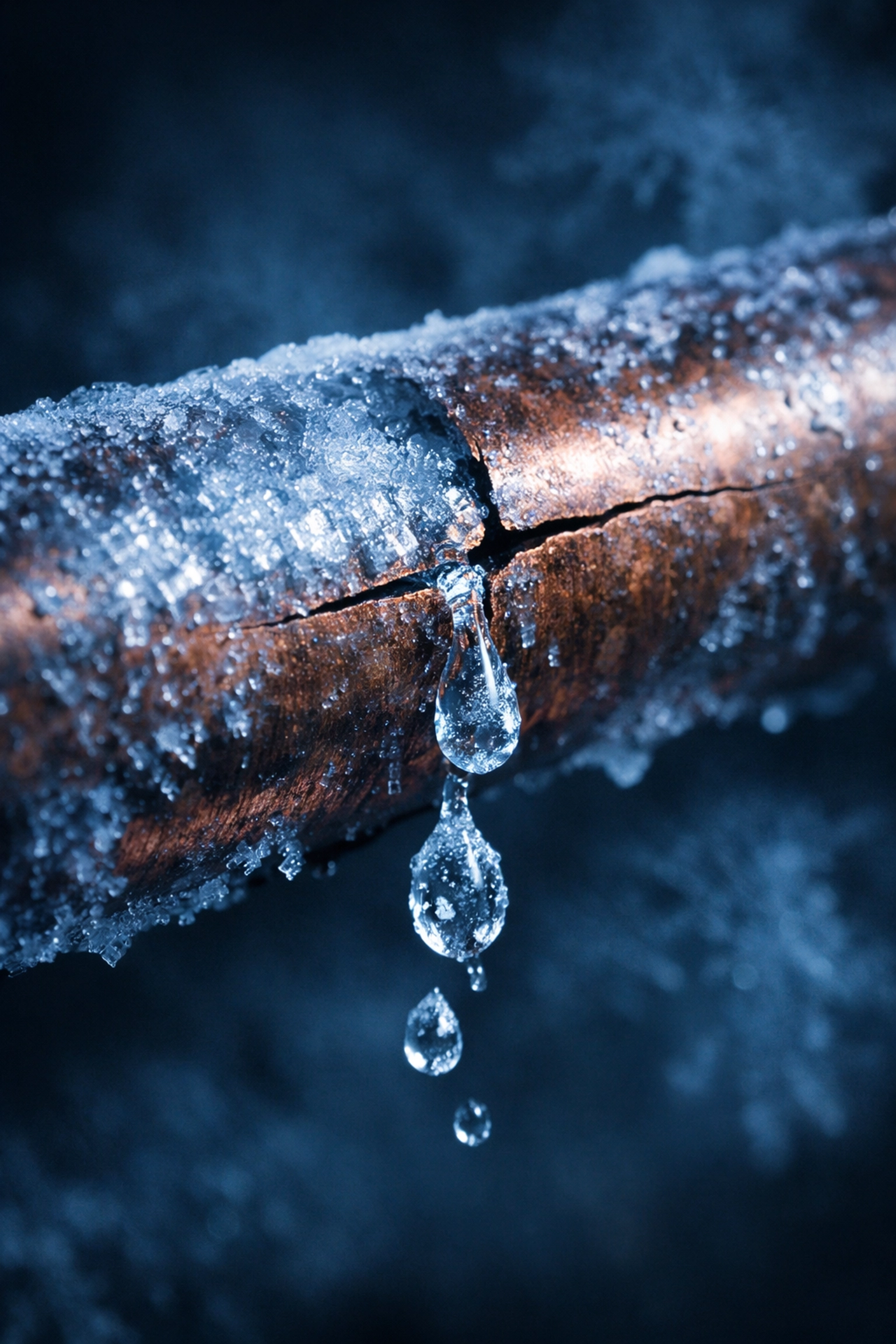
Here's what actually happens when temperatures drop. When plumbing systems sit at or below 0°C (32°F) for extended periods, water inside pipes freezes and expands by approximately 10%. That expansion creates pressure: sometimes exceeding 2,000 pounds per square inch: that causes cracks or complete ruptures.
The damage doesn't stop there. Once temperatures rise and ice melts, water rushes through those cracks, flooding spaces for hours before anyone notices. Water damage from pipe failures costs insurers more than $15 billion annually in North America, with frozen-pipe events representing a major and growing portion of these losses.
For property managers overseeing multiple buildings or construction site managers dealing with partially completed plumbing systems, the risk multiplies. A single burst pipe in a high-rise can cascade through multiple floors, damaging not just infrastructure but tenant belongings, electronics, and finished construction work.
Why 5°C Changes Everything
Traditional freeze sensors wait until temperatures approach the actual freezing point before triggering alerts. By then, you're already in crisis mode: pipes may be partially frozen, and you have limited options beyond emergency heat and crossing your fingers.
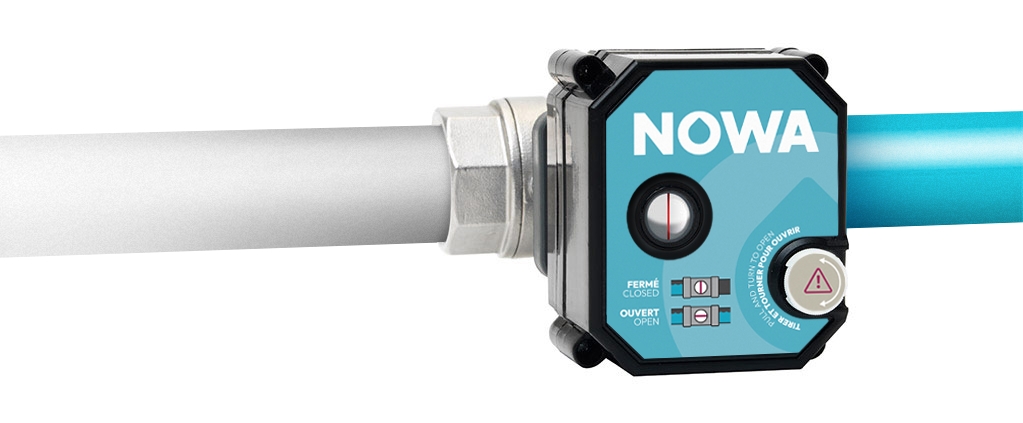
Leak Logic Canada's Nowa system alerts at 5°C (41°F), creating a crucial buffer zone. This early warning gives you time to:
- Dispatch maintenance teams during normal hours instead of emergency midnight calls
- Adjust building heat before ice formation begins
- Drain vulnerable lines in vacant units or construction zones
- Move equipment or supplies away from at-risk areas
Imagine managing a 30-unit condo building where one owner decides to winter in Arizona and turns their heat off completely. With a 5°C alert sensor in that unit, you receive a notification the moment ambient temperature drops into the danger zone: likely 6-8 hours before actual freezing would occur. That's the difference between a quick thermostat adjustment and a five-figure insurance claim.
For construction sites, the advantage is even more pronounced. Partially completed buildings often lack proper insulation, creating microclimates where certain areas freeze while others don't. Early alerts let site managers target protection exactly where needed rather than heating entire unfinished structures.
Strategic Sensor Placement for Maximum Protection
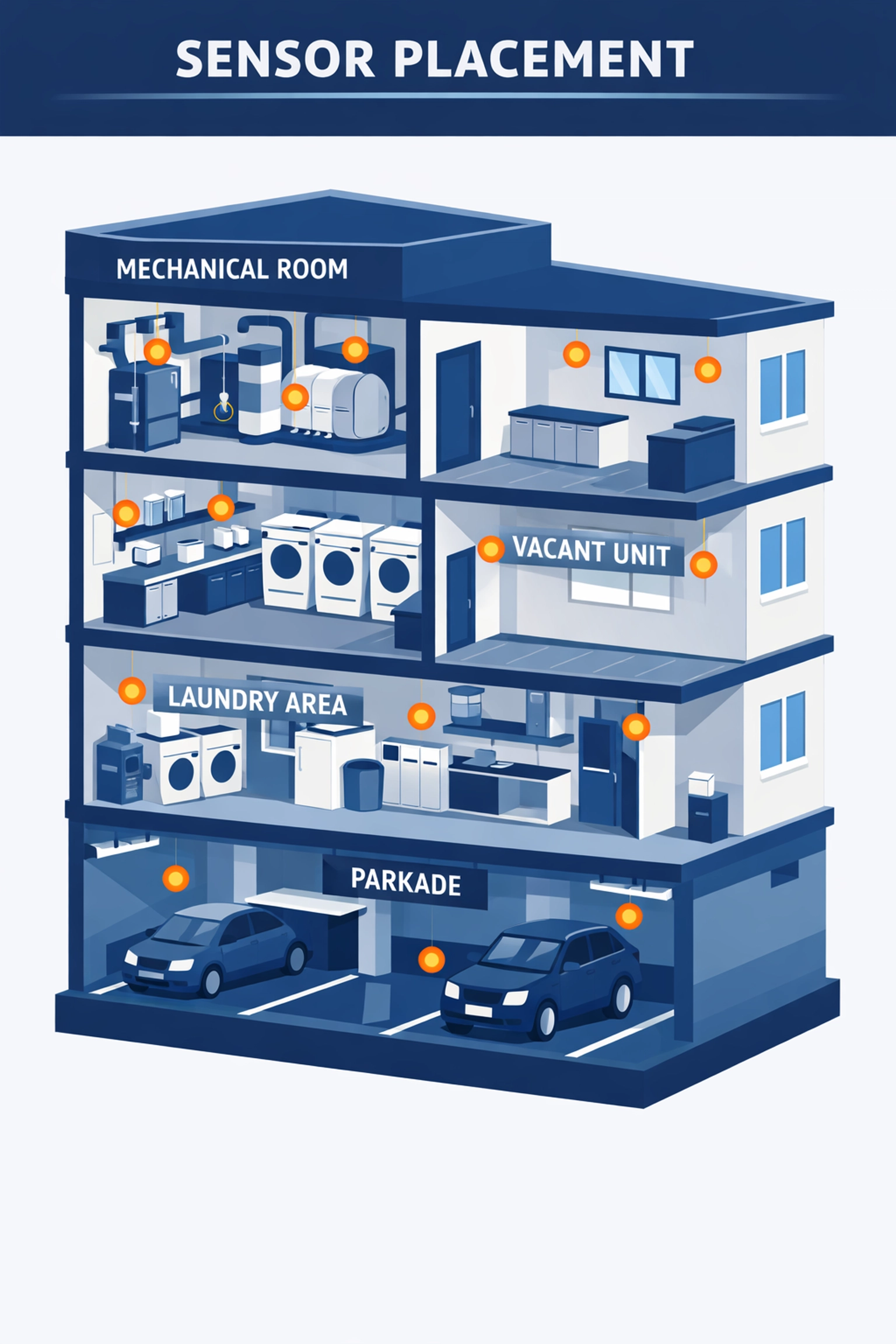
The reality is that not all spaces freeze equally. Smart sensor placement focuses on the vulnerable zones where temperature drops happen first and fastest.
High-risk areas for property managers:
- Unheated or intermittently heated parkades
- Exterior-facing wall cavities (especially north-facing)
- Laundry rooms and common areas near building edges
- Mechanical rooms with exterior vents
- Vacant units during winter months
- Crawl spaces and attics
Critical zones for construction sites:
- Freshly installed plumbing before insulation completion
- Temporary water lines used during construction
- Areas near open windows or unfinished exterior walls
- Upper floors of buildings under construction (heat rises, but exposed areas freeze)
- Portable facilities and temporary washrooms
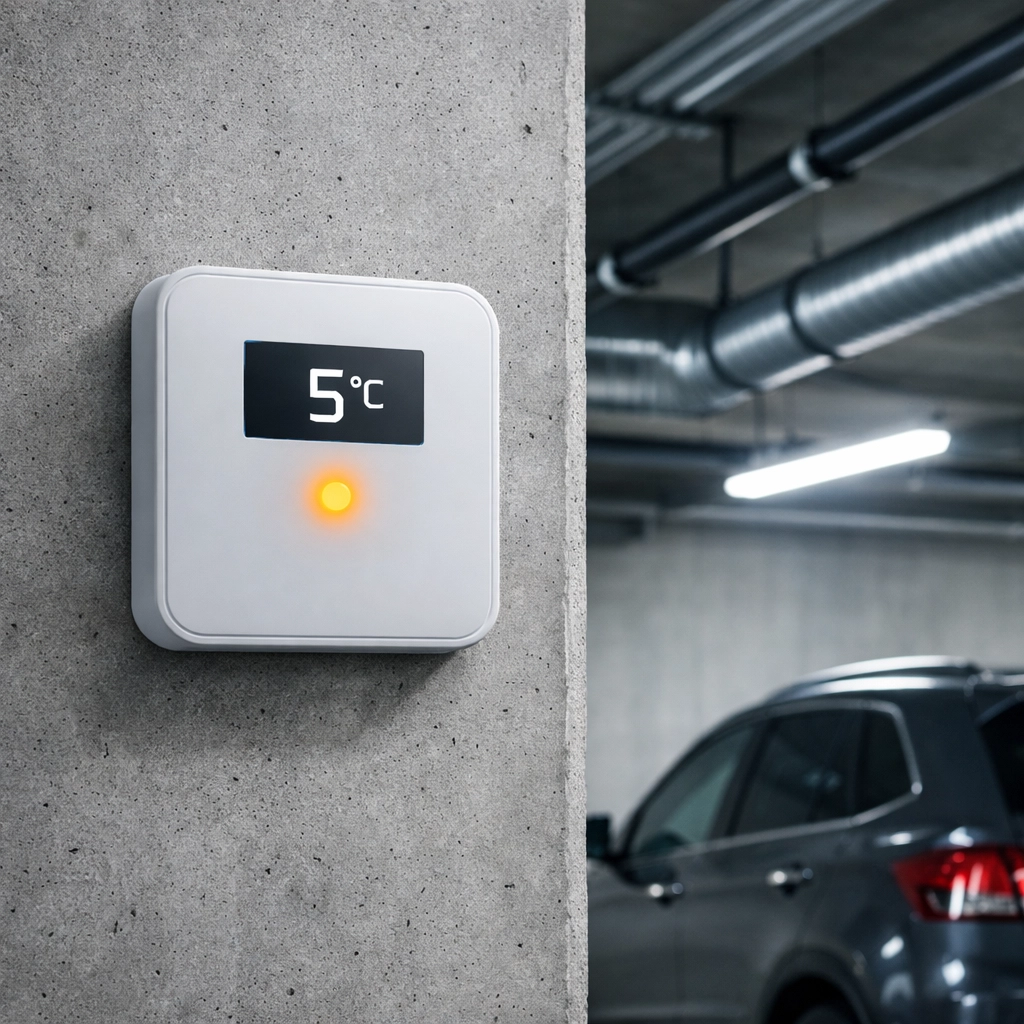
Modern freeze alert sensors connect to smartphone apps, sending real-time notifications through SMS, email, or push alerts the moment temperatures reach your preset threshold. You don't need to physically walk sites or buildings: you know instantly when intervention is needed.
Moreover, these systems log temperature trends over time, helping you identify problem areas before winter even arrives. If a specific mechanical room consistently runs colder than others, you can add supplemental heat or improve insulation proactively rather than reactively.
Integrated Protection: When Freeze Sensors Meet Water Detection
Here's where technology gets really powerful. The most comprehensive approach combines freeze alert sensors with smart water leak detectors and automatic shutoff valves.
Think of it as layered defense:
Layer 1: Freeze sensors detect dropping temperatures at 5°C and alert you to take preventive action
Layer 2: Water detection sensors placed near water heaters, mechanical rooms, and high-risk plumbing catch leaks the instant they start
Layer 3: Smart water valve shutoff systems automatically stop water flow within seconds of detecting a major leak, limiting flooding to minutes instead of hours
About 4 out of 10 property owners have experienced water damage from leaking pipes. When these three layers work together, you decrease water damage claim events by up to 96% according to industry data.
For property managers, this integration means protection that works 24/7 without requiring constant monitoring. The system watches, analyzes, and acts: you only get involved when human intervention is needed or when automated systems have already contained the problem.
Leak Logic Canada's Nowa platform brings all these components together in one manageable dashboard. You can monitor multiple properties, check historical data, and receive intelligent alerts that distinguish between minor fluctuations and genuine emergencies.
Real-World Scenarios: When Early Alerts Save the Day
Let's walk through a couple of realistic situations to see how this plays out practically.
Scenario 1: The Holiday Week Freeze
A property manager oversees a mixed-use building with ground-floor retail and residential units above. During the week between Christmas and New Year's, temperatures unexpectedly drop to -5°C overnight: unusual for Vancouver but not impossible.
At 2:00 AM, freeze sensors in the unheated delivery bay behind the retail space alert the manager that temperatures have reached 5°C. Instead of waking up to a burst pipe emergency, the manager remotely adjusts the building's heat setpoint from their phone, adding just enough warmth to the vulnerable zone. Total cost: an extra $30 in heating. Avoided cost: easily $15,000+ in pipe repairs, inventory damage, and business interruption.
Scenario 2: Construction Site Weekend Risk
A site manager is overseeing a multi-phase residential development. Phase 1 has completed plumbing rough-ins but hasn't yet received full insulation. A weekend cold snap is forecast, and the temporary heat source in one building section fails on Saturday morning.
Smart sensors detect the temperature drop immediately and alert the manager while they're at home. They dispatch a crew to restore heat and add supplemental heaters before pipes reach freezing point. On Monday morning, work continues on schedule: no burst pipes, no cleanup delays, no subcontractor disputes about responsibility.

These aren't hypothetical situations. They happen regularly throughout the Lower Mainland during winter cold snaps. The difference between properties with smart freeze protection and those without is measured in thousands of dollars and dozens of hours of crisis management.
The Bottom Line: Protection That Pays for Itself
Beyond the obvious benefit of avoiding catastrophic water damage, smart freeze and leak detection systems offer tangible financial advantages:
Insurance discounts: Many providers now offer policy reductions for properties equipped with water leak detection technology, recognizing its value in preventing costly claims. Discounts typically range from 5-15% on property insurance premiums.
Reduced emergency service costs: Early alerts mean addressing issues during regular business hours rather than paying premium rates for middle-of-the-night emergency plumbers.
Lower heating costs: Temperature monitoring helps optimize heating schedules rather than over-heating out of caution or under-heating and risking damage.
Tenant satisfaction and retention: Residents appreciate proactive property management that prevents problems rather than just reacting to emergencies.
For construction projects, the value proposition is equally strong. Schedule delays caused by freeze damage can cascade through an entire project timeline, affecting multiple trades and creating contractual disputes. Prevention is exponentially cheaper than remediation.
Additionally, these systems provide year-round value. While freeze detection shines in winter, the integrated water detection and monitoring capabilities protect against water heater failures, appliance malfunctions, and slow leaks throughout all seasons.
Taking Action Before the Next Cold Snap
The reality of climate variability means we can't predict exactly when the next freeze will hit: but we know it will happen eventually. Property managers and construction site supervisors who wait until the weather forecast shows -5°C before thinking about protection are already behind.
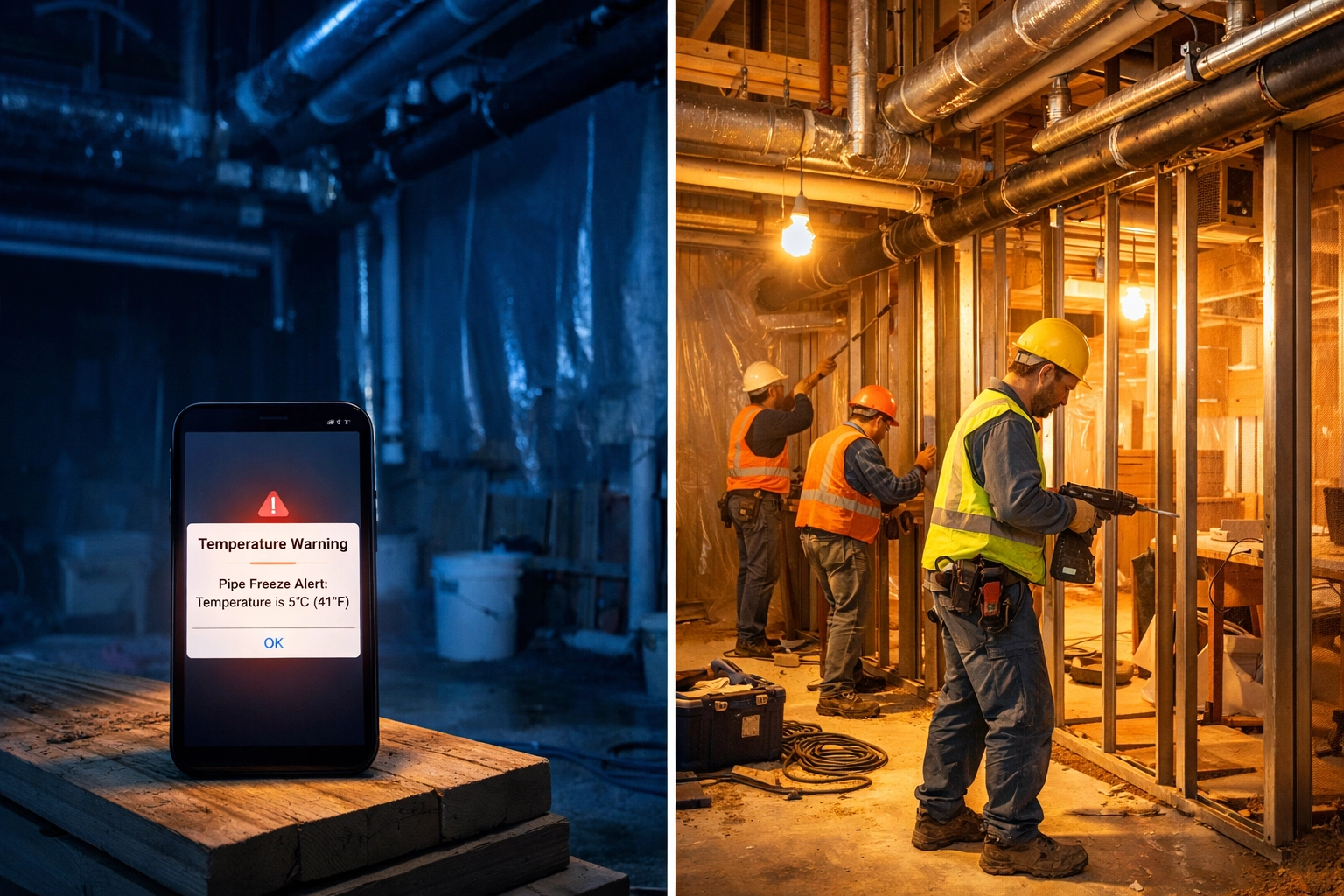
Smart freeze alert sensors work best when installed and tested before winter arrives. This gives you time to identify optimal sensor placement, ensure connectivity is reliable, and establish response protocols with your team.
Leak Logic Canada offers solutions specifically designed for Vancouver's unique climate challenges: systems that understand our mild winters can still create freeze risks in vulnerable building zones. The 5°C early warning threshold isn't arbitrary; it's calibrated to give you actionable lead time in our specific weather patterns.
Moreover, modern systems are remarkably easy to install and manage. Most sensors are wireless, battery-powered, and connect directly to your smartphone. You don't need extensive technical knowledge or complicated infrastructure: just the foresight to implement protection before problems arise.
Whether you're managing residential properties, commercial buildings, or construction sites, the question isn't whether you can afford smart freeze and leak detection. The real question is whether you can afford the risk of going without it. When a single pipe burst can cost $50,000 and weeks of headaches, investing in prevention becomes the obvious choice.
Your properties deserve protection that works as hard as you do: technology that watches when you can't, alerts before damage happens, and gives you the peace of mind to focus on everything else demanding your attention.