
Managing a high-rise building comes with its own unique set of headaches, and water leaks might just be at the top of that list. When a leak happens on the 12th floor, it doesn't just stay there: gravity does its thing, and suddenly you're dealing with damage across multiple units, angry residents, insurance claims, and repair bills that make your eyes water.
The good news? The right water leak detection system can catch these problems before they cascade into full-blown disasters. But here's the catch: not all systems are built for the complexity of high-rise buildings. You need features that actually match the scale and challenges of managing hundreds of units stacked vertically.
Let's break down exactly what property managers, strata councils, and commercial building owners should look for when choosing a system that actually works.
Why High-Rises Need a Different Approach
Before we dive into features, let's talk about why your average home leak detector won't cut it in a 30-story building.
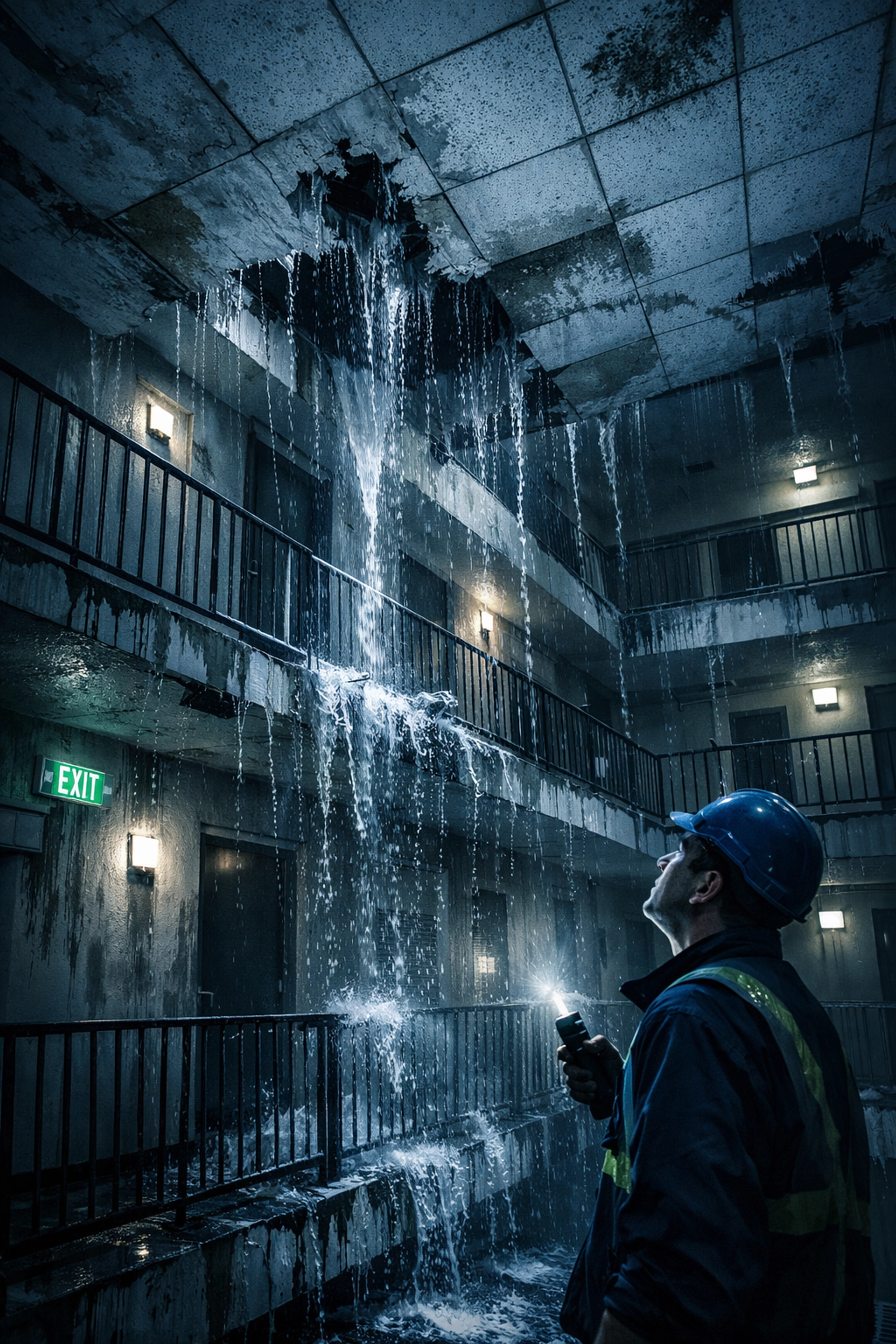
In a single-family home, a leak is contained to one property. In a high-rise? Water travels. Fast. A burst pipe in Unit 1205 can wreak havoc on Units 1105, 1005, and beyond before anyone even notices. Add in the complexity of shared plumbing systems, mechanical rooms, and HVAC units spread across multiple floors, and you've got a recipe for disaster without proper monitoring.
Moreover, you can't be everywhere at once. Walking floor-to-floor to check for issues isn't realistic when you're managing hundreds of units. You need technology that does the heavy lifting: monitoring constantly, alerting instantly, and ideally, taking action automatically.
Feature #1: Automatic Water Shutoff (This Is Non-Negotiable)
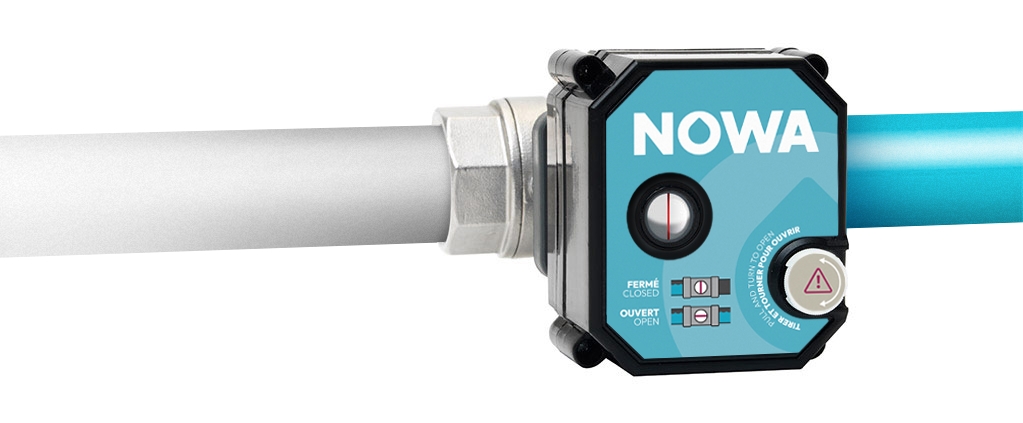
Here's the bottom line: detection alone isn't enough. You need a system with an automatic water shut off valve built in.
Think about it this way: if your system detects a leak at 3 AM but requires someone to physically shut off the water, how much damage happens in the time it takes to wake up, drive to the building, and locate the shutoff? Too much.
The best systems combine detection with immediate response. The moment a leak is detected, the system automatically shuts off the water supply to that unit or zone. This closed-loop approach significantly minimizes damage, especially critical in multi-unit buildings where water can spread across multiple floors before anyone notices.
This feature alone can be the difference between a minor repair and a six-figure insurance claim. If you're comparing systems and one doesn't offer automatic shutoff, move on.
Feature #2: Real-Time Monitoring & Centralized Dashboards
You need eyes on your entire building: without actually being there 24/7. That's where centralized monitoring comes in.
The ideal water leak detection system provides a dashboard where you can see the status of every sensor, every valve, and every unit from one screen. Whether you're in your office, at home, or on vacation, you should be able to check in and see what's happening.

Additionally, the system should send instant alerts to both property managers and individual residents. When Unit 804's washing machine starts leaking, both you and the tenant get notified immediately. This dual-notification approach ensures faster response times and keeps everyone in the loop.
Look for systems that offer mobile app access, so you can monitor and control water supply remotely without requiring on-site inspections. Being able to visualize leak locations across your property at a glance saves enormous amounts of time during emergencies.
Feature #3: Scalability Across Large Properties
A system that works for 10 units won't necessarily work for 200. Scalability is crucial for high-rises.
Your smart water leak detector needs to handle hundreds: even thousands: of sensors without bogging down or creating a management nightmare. The best systems are designed from the ground up to scale, with wireless sensor technology that reduces installation complexity compared to hard-wired systems.
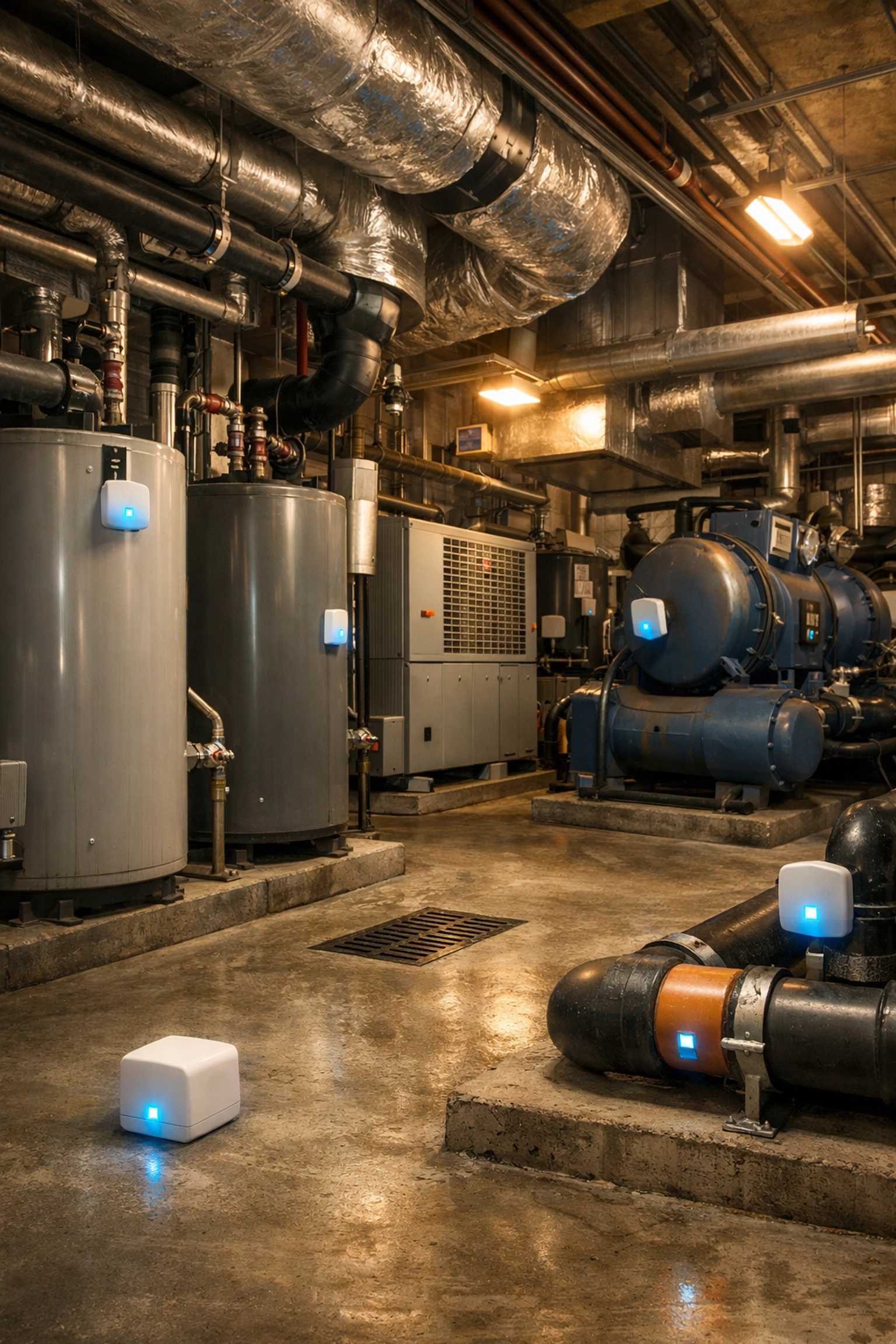
When evaluating options, ask yourself: Can this system easily expand as we add sensors? Can it cover all our vulnerable areas: plumbing lines, HVAC systems, water heaters, bathrooms, mechanical rooms, and basements: without becoming unwieldy to manage?
The answer should be a confident yes. You don't want to outgrow your leak detection system in two years and have to start over.
Feature #4: Smart Sensor Placement & Multiple Sensor Types
Not all areas of your building need the same type of monitoring. A comprehensive high rise water leak detection strategy uses different sensor types for different scenarios.
Here's what you need in your arsenal:
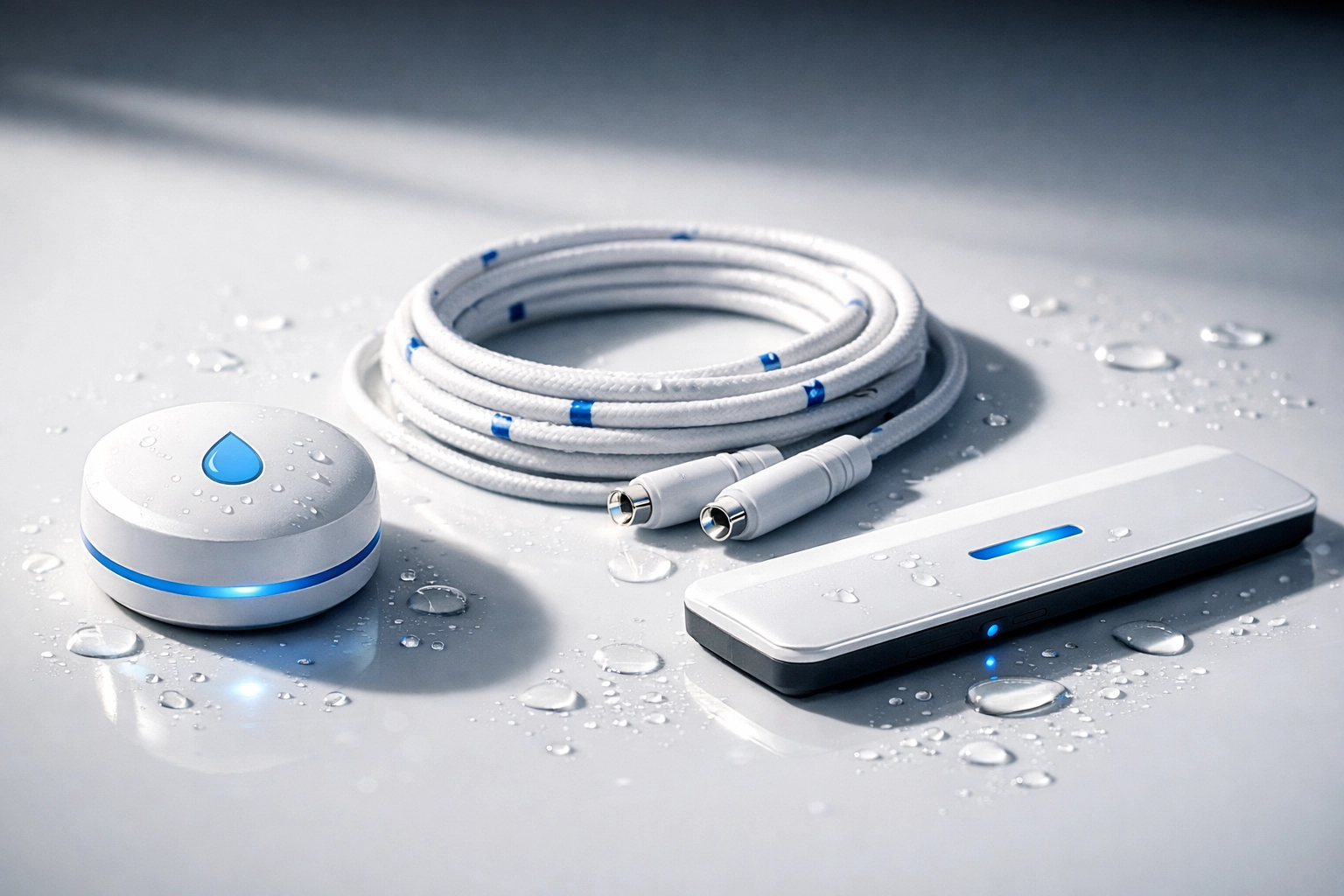
Spot Detectors: These are your go-to for high-risk areas like under sinks, near water heaters, and around appliances. They're compact and highly effective for pinpoint monitoring.
Rope or Cable Sensors: For larger areas like mechanical rooms, server rooms, and storage areas, rope sensors (10+ feet or longer) can cover more ground and detect water along their entire length.
Floor-Level Sensors: These detect water before it has a chance to spread or seep into lower units. They're critical for catching problems early.
Proper sensor placement is essential: install them on smooth, clean surfaces where water naturally collects, such as directly on floors or mounted vertically to monitor rising water levels. Strategic placement can mean the difference between catching a leak in minutes versus hours.
Feature #5: 24/7 Professional Monitoring
Even with the best automated system, there's value in having human eyes on things. Some of the top-tier systems supplement automated alerts with around-the-clock monitoring services from trained professionals.
These monitoring centers use sophisticated analytics to detect unusual water usage patterns or potential issues before they escalate. Think of it as an extra layer of protection: your system does the heavy lifting, but experts are watching for anomalies that might signal trouble brewing.
This is particularly valuable for large commercial properties where even minor leaks can add up to significant water waste and inflated utility bills over time. Having professionals who can spot trends and patterns gives you reassurance that nothing slips through the cracks.
Feature #6: Adjustable Sensitivity (Because False Alarms Are the Worst)
Nobody wants to get woken up at 2 AM because someone spilled a glass of water. Your system needs to be smart enough to tell the difference between an actual leak and harmless moisture.
Look for systems with adjustable sensitivity settings that you can fine-tune for each location. A sensor under a sink might need higher sensitivity than one in a mechanical room where occasional condensation is normal.
False alarms create alert fatigue: when your team gets too many false positives, they start ignoring alerts altogether. That defeats the entire purpose. The right system learns and adapts, minimizing false alarms while staying vigilant for real threats.
Real-World Performance: The Proof Is in the Numbers
Here's something to consider: One high-rise building using a comprehensive IoT sensor network with over 1,500 sensors identified 17 separate water incidents in less than 60 days. These ranged from overflowing appliances to leaking HVAC components.
Every single one of those incidents was caught early enough to enable swift repairs before they became major problems. That's the power of comprehensive detection: it turns potential disasters into minor maintenance items.
When you're evaluating systems, ask for case studies and real-world performance data. How many properties use this system? What results have they seen? How quickly does it detect leaks? Companies that stand behind their products will have this information readily available.
Don't forget to check out insights on preventing water damage in condos and the benefits of smart water leak detectors for more context on what works in multi-unit buildings.
Making the Right Choice for Your Building
Choosing the best water leak detection system for your high-rise comes down to prioritizing the features that actually prevent damage and reduce your workload:
✓ Automatic water shutoff for instant response
✓ Real-time centralized monitoring you can access anywhere
✓ Scalability to cover your entire building
✓ Multiple sensor types for comprehensive coverage
✓ Professional monitoring for extra peace of mind
✓ Adjustable sensitivity to prevent false alarms
These aren't nice-to-have features: they're must-haves for effective protection in multi-story buildings. Anything less leaves you vulnerable to the kind of cascading water damage that can cost hundreds of thousands in repairs and lost rental income.
The right system pays for itself many times over by preventing even a single major leak incident. More importantly, it gives you peace of mind knowing your building is protected around the clock, whether you're on-site or not.
Ready to Protect Your High-Rise?
Choosing the right leak detection system doesn't have to be overwhelming. The team at Leak Logic Canada specializes in high-rise and commercial water protection systems designed specifically for the challenges property managers face.
We'll help you evaluate your building's unique needs, recommend the right combination of sensors and automatic shutoff valves, and design a system that scales with your property. Whether you're managing a 10-story building or a 40-story tower, we've got the expertise to keep your property protected.
Call Leak Logic Canada today for more information and a free consultation on protecting your building from water damage. Don't wait until a small leak becomes a big problem: let's get your high-rise protected with a system that actually works.