
If you're managing a multi-unit building or strata property, water damage is probably one of your biggest nightmares. One burst pipe or slow leak can spiral into tens of thousands in repairs, upset residents, insurance headaches, and sleepless nights. The frustrating part? Most water damage is preventable: if you know what to watch for.
After years of working with property managers across Canada, we've seen the same mistakes pop up again and again. The good news is that they're all fixable with a bit of knowledge and the right approach to condo water leak detection. Let's walk through the seven most common slip-ups and how you can avoid them.
Mistake #1: Failing to Monitor Water Usage Patterns
Here's the thing: most leaks don't announce themselves with a dramatic flood. They start small, quietly draining water (and your budget) in the background. If you're not keeping an eye on your building's water meter readings, you could be hemorrhaging thousands of gallons without even knowing it.
The Fix: Get into the habit of checking your water meter regularly: ideally weekly or bi-weekly. Compare readings month-over-month and look for unexplained spikes. A sudden jump in water consumption when occupancy hasn't changed? That's your early warning system telling you something's off. Many modern buildings are now integrating smart metering systems that can alert you to unusual patterns automatically, giving you a heads-up before minor issues become major catastrophes.

Mistake #2: Neglecting Regular Inspections
It's easy to adopt a "if it ain't broke, don't fix it" mentality when you're juggling a dozen other responsibilities. But waiting until you spot water stains on the ceiling or residents start complaining is waiting way too long.
The Fix: Schedule proactive plumbing inspections at least twice a year. These should include pressure tests and, when warranted, camera inspections to peek inside pipes and walls. Think of it like getting regular dental checkups: catching small cavities is way easier (and cheaper) than dealing with a root canal later. Professional inspections can identify corrosion, buildup, and weak points in your plumbing infrastructure before they fail. For older buildings especially, this preventative approach pays for itself many times over.
Mistake #3: Ignoring High-Risk Areas
Not all parts of your building are created equal when it comes to leak risk. Yet too many property managers take a blanket approach to water leak sensors for apartments, placing them randomly or not at all.
The Fix: Target the hot spots. Install sensors under every sink, around toilets, near washing machine connections, behind dishwashers, and around water heaters in each unit. These are the places where leaks most commonly start. In common areas, don't forget laundry rooms, mechanical spaces, and anywhere plumbing lines run through walls or ceilings. Modern water leak sensors are affordable, wireless, and can send instant alerts to your phone or management system when they detect moisture. It's like having a 24/7 security guard watching the most vulnerable parts of your building.

Mistake #4: Relying Solely on Visible Signs
If you're only looking for water stains, warped floors, or mold growth, you're already behind the curve. Many of the most destructive leaks happen inside walls, under floors, or in ceiling cavities where you can't see them until serious damage has already occurred.
The Fix: Supplement visual inspections with continuous monitoring technology. Smart leak detection systems work around the clock, catching problems at their earliest stages: often before a single drop hits the floor. These systems detect even trace amounts of moisture and can differentiate between temporary humidity and actual leaks. For condo water leak detection, this technology is a game-changer because it protects both individual units and common areas without requiring constant manual oversight.
Mistake #5: Delaying Response to Detected Leaks
You get an alert about a small leak in unit 304. It's Friday afternoon, the plumber's schedule is packed, and it's "just a drip" anyway. We'll deal with it Monday, right? Wrong.
The Fix: Treat every leak like the emergency it is. Water damage escalates exponentially: what starts as a $200 repair on Friday can become a $15,000 restoration project by Monday once water seeps into drywall, insulation, and subflooring. Even worse, you risk mold growth, which brings health concerns and even more expensive remediation. Establish clear protocols for immediate response, even for "minor" leaks. Have trusted contractors on speed dial and empower your on-site staff to act quickly. When you have water leak sensors for apartments connected to a centralized system, you can dispatch help before residents even notice there's a problem.

Mistake #6: Overlooking Mechanical Spaces
Basements, boiler rooms, and mechanical spaces are out of sight and often out of mind. But these areas are packed with plumbing infrastructure, water heaters, HVAC equipment, and countless connection points: making them prime real estate for major leaks.
The Fix: Give mechanical spaces the attention they deserve. Install rope sensors along the floor perimeter, around water heater bases, near boiler systems, and around floor drains. These specialized sensors can detect water across a larger area than point sensors, making them ideal for sprawling mechanical rooms. Check these spaces during your regular inspections, looking for signs of corrosion, loose connections, or failing equipment. Remember, a catastrophic leak in a mechanical room doesn't just damage that space: it can flood multiple floors and cause building-wide disruptions.
Mistake #7: Not Using Centralized Monitoring Systems
Managing leak detection unit-by-unit with individual sensors is better than nothing, but it's inefficient and leaves room for human error. Alerts get missed, batteries die, and you lack the big-picture visibility needed to manage a large property effectively.
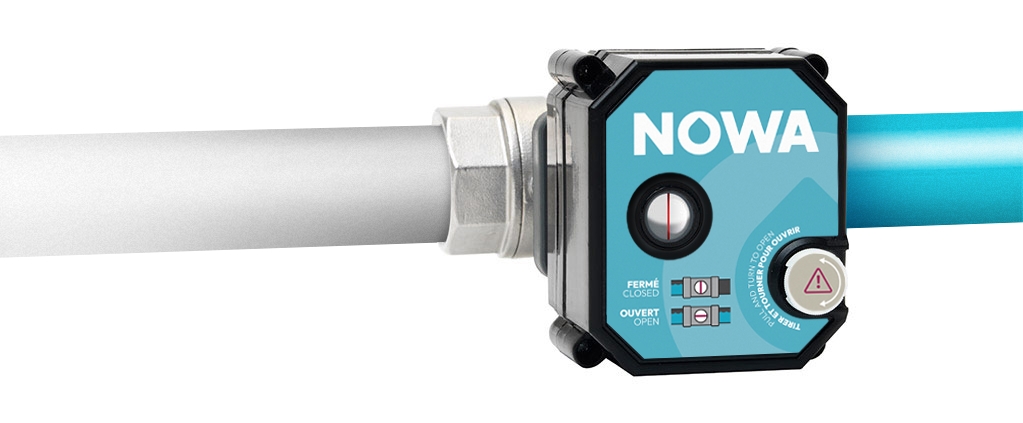
The Fix: Invest in a centralized condo water leak detection system that ties all your sensors together in one dashboard. Modern systems offer app-based alerts, unit-level visibility, and even integration with automatic shut-off valves that can stop water flow the instant a leak is detected. This means faster response times, better data for maintenance planning, and the ability to track patterns across your entire property. For strata councils and property managers overseeing multiple buildings, this centralized approach transforms leak detection from a reactive headache into a proactive management tool.

The Bottom Line: Prevention Beats Reaction Every Time
Water damage is one of the most expensive, disruptive, and stressful challenges property managers face. But here's the reassuring part: it's also one of the most preventable. By avoiding these seven common mistakes and implementing smart condo water leak detection strategies, you're not just protecting your building. You're protecting your residents, your budget, your insurance premiums, and your peace of mind.
Modern leak detection technology has come a long way. It's affordable, easy to install, and incredibly effective at catching problems before they spiral out of control. Whether you're managing a 10-unit condo or a 200-unit high-rise, the principles remain the same: monitor consistently, inspect proactively, target high-risk areas, respond immediately, and leverage technology to work smarter, not harder.
Your residents are counting on you to keep their homes safe and dry. Your strata council expects you to protect their investment. And let's be honest: you deserve to sleep soundly at night without worrying about the next water emergency.
Ready to Upgrade Your Water Leak Detection Strategy?
Don't wait until you're dealing with an insurance claim and displaced residents. The team at Leak Logic Canada specializes in comprehensive water leak detection systems designed specifically for multi-unit properties, condos, and stratas. We'll help you identify your vulnerable areas, recommend the right sensors and shut-off systems for your building, and set up centralized monitoring that actually works.
Call Leak Logic Canada today for a free consultation and find out how we can protect your property from costly water damage. Your building: and your budget( will thank you.)