
You've installed smart water leak detectors in the obvious places, near the water heater, under the kitchen sink, maybe by the main water line. That's a solid start, but here's the reality: most water damage in Vancouver high-rises and commercial buildings happens in places property managers never think to monitor.
After years of working with strata councils across the Lower Mainland, we've seen the same pattern repeat. A "minor" leak turns into a six-figure insurance claim because nobody thought to put a sensor in that one spot. The good news? Once you know where these hidden vulnerabilities are, protecting your building becomes straightforward.
Let's walk through the 50+ critical locations where a water leak detection system can save you from catastrophe, and why most property managers in Burnaby, Richmond, and Surrey are leaving these spots completely unprotected.
The Hidden Danger Zones in Your Mechanical Rooms
Mechanical rooms are ground zero for water-related disasters. Yet most buildings only monitor the most obvious equipment. Here's where you need coverage:
Boiler and Hot Water Systems (Spots 1-8):
- Behind and underneath boilers (not just in front)
- Near pressure relief valves
- At expansion tank connections
- Along supply and return lines
- Under heat exchangers
- Near circulating pumps
- By drain pans (yes, they can overflow)
- At makeup water lines
HVAC Equipment (Spots 9-15):
- Under all air handling units
- Inside condensate drain pans
- Along condensate line routes
- Near humidification systems
- At cooling coil drain connections
- Below rooftop HVAC units
- Where refrigerant lines penetrate floors

The Floor Penetration Problem Nobody Talks About
This is where things get serious. Any opening in your floor slab is a direct highway for water to damage multiple levels. High rise water leak detection must cover:
Critical Penetrations (Spots 16-25):
- Electrical chases (water loves following wires down)
- Elevator shafts at every level
- Stairwell penetrations
- Core-drilled holes for plumbing stacks
- Cable and conduit runs
- Garbage chute rooms
- Laundry chute openings
- Pipe sleeves through floor slabs
- HVAC duct penetrations
- Fire suppression system risers
One property manager in Coquitlam told us about a leak in a 14th-floor mechanical room that traveled through an electrical chase and damaged six floors before anyone noticed. A $200 smart water leak detector could have caught it in the first five minutes.
Your Plumbing Infrastructure's Weak Points
Standard plumbing inspections miss these spots because they're hidden, awkward to access, or just plain forgotten:
Water Distribution (Spots 26-35):
- At each floor's main shutoff valve
- Near pressure reducing valves (PRVs)
- Behind access panels in walls
- In plumbing chases between units
- At riser shutoff locations
- Near backflow preventers
- Where domestic water lines transition to PEX or copper
- At water meter locations
- In janitor closets with hose bibs
- Near fire hose cabinets
Drainage Systems (Spots 36-42):
- Under floor drains in mechanical rooms
- At sump pump locations
- Near sewage ejector pumps
- Where drain lines connect to building mains
- At cleanout access points
- In parkade floor drains
- Below rooftop drains
The Spots That Cause Multi-Suite Nightmares
These locations might seem minor until one fails and affects multiple units:
Common Area Vulnerabilities (Spots 43-50):
- Laundry rooms (washers AND dryers with condensate)
- Fitness center showers and saunas
- Pool equipment rooms
- Hot tub mechanical systems
- Pet wash stations
- Irrigation system connections
- Exterior hose bibs
- Parkade pressure washing stations
Individual Unit High-Risk Zones (Spots 51-58):
- Behind refrigerators with ice makers
- Under dishwashers
- At washing machine supply valves
- Near instant hot water dispensers
- Under bathroom vanities (especially second baths)
- At toilet supply lines
- Near balcony drain connections
- Where in-suite HVAC units drain

Why Richmond and Vancouver Property Managers Are Adding Freeze Detection
If you manage property anywhere in the Lower Mainland, winter freeze events should be on your radar. Even though we don't get Toronto-level cold, coastal freeze-thaw cycles cause plenty of damage:
Freeze-Vulnerable Locations (Spots 59-65):
- Parkade perimeter walls
- Near loading bay overhead doors
- In stairwell enclosures
- Beside emergency exit doors
- Rooftop mechanical areas
- Crawl spaces and attics
- Exterior wall pipe runs in older buildings
A comprehensive water leak detection system with freeze sensors gives you advance warning before pipes actually burst. That's the difference between a $500 prevention call and a $50,000 insurance claim.
The Technology That Makes This Actually Work
Here's what separates a basic water sensor from a smart water leak detector system that genuinely protects your building:
Real-Time Monitoring: You get instant alerts on your phone the moment a sensor detects moisture. No waiting for someone to notice water pooling.
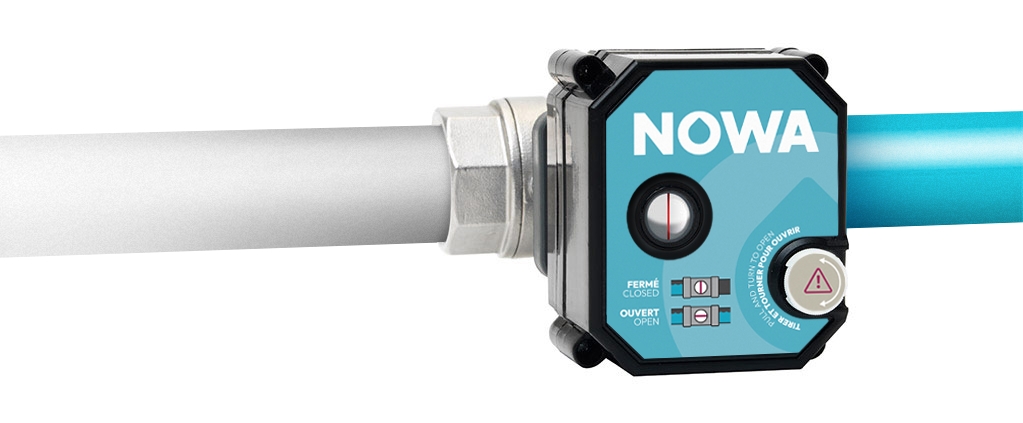
Automatic Water Shut Off Valve Integration: The system can automatically close your building's main water supply or zone valves when it detects a major leak. This is crucial for after-hours emergencies.
Zone-Based Protection: Different areas trigger different responses. A small leak in a janitor closet might just send an alert, while a mechanical room flood initiates an immediate shutoff.
Historical Data: Track humidity levels and minor moisture events over time to spot problems before they become emergencies.
Many Surrey and Burnaby strata councils are finding that modern systems pay for themselves through reduced insurance premiums alone: not to mention avoiding special levies for water damage repairs.

The Installation Priority Approach
Look, we get it: installing sensors at 65+ locations sounds overwhelming. Here's how to tackle this strategically:
Phase 1 – High Impact Zones: Focus on mechanical rooms, floor penetrations, and main plumbing risers. These protect multiple units simultaneously.
Phase 2 – Common Areas: Add coverage to laundry rooms, fitness areas, and other shared spaces where failures affect many residents.
Phase 3 – Individual Units: Work with owners to install sensors during renovations or as part of insurance risk reduction programs.
Phase 4 – Seasonal Additions: Add freeze sensors and exterior monitoring before winter hits.
The beauty of modern wireless systems is that you can expand coverage over time without tearing apart walls or running new wiring.
What Property Managers in Vancouver Are Seeing
Buildings that implement comprehensive leak detection systems report:
- 75-90% reduction in water damage insurance claims
- Faster problem resolution (minutes instead of hours or days)
- Lower insurance premiums
- Fewer emergency after-hours calls
- Better documentation for insurance purposes
- Increased property values and marketability
More importantly, you're protecting the people who live and work in your building. Nobody wants to deal with the stress of water damage, displacement, or months of restoration work.
Your Next Step for Water Damage Prevention
The difference between a protected building and a vulnerable one often comes down to having the right detection equipment in the right places. But figuring out exactly what your building needs: and where to install it: takes expertise.
That's where we come in. Leak Logic Canada specializes in comprehensive water leak detection systems for commercial and multi-family buildings throughout Vancouver, Burnaby, Richmond, Surrey, Coquitlam, and the entire Lower Mainland. We'll assess your property, identify your highest-risk areas, and design a protection system that fits your budget and building.
Whether you're looking to install a complete system or just want to add an automatic water shut off valve to your existing setup, we'll make sure you're covered.
Ready to protect your building before the next leak hits? Call Leak Logic Canada today. Our team will walk you through the options and create a customized protection plan for your property. Don't wait until water damage forces your hand: reach out now and get peace of mind that your building is genuinely protected.
Visit leaklogiccanada.com or give us a call. Your future self (and your strata council) will thank you.