
Managing a high-rise building in the Lower Mainland comes with unique challenges, and water damage sits right at the top of that list. One leak on the 15th floor can cascade down through multiple units, turning a minor plumbing issue into a six-figure insurance nightmare. If you're a property manager, strata council member, or commercial building owner, you already know that reactive maintenance is expensive, stressful, and frankly, outdated.
The good news? Modern water leak detection systems have evolved light-years beyond the "bucket and prayer" method. Today's technology can detect leaks before they become floods, automatically shut off water supply, and send you real-time alerts, whether you're in your office in Vancouver or grabbing coffee in Burnaby.
Let's walk through what actually works for high-rise water leak detection, and more importantly, how to stop damage before it starts.
Why Is Water Leak Detection Critical for High-Rise Buildings in Vancouver and Beyond?
Here's the reality: water doesn't care about property lines. A burst pipe in one unit can wreak havoc on five floors below it. The vertical nature of high-rises means gravity does the damage distribution for free, and fast.
Imagine this scenario: It's 2 AM on a Friday night. A washing machine hose bursts on the 12th floor of your Richmond condo tower. The resident is asleep. By morning, water has seeped through drywall, ruined flooring, damaged electrical systems, and left eight units below uninhabitable. Insurance claims pile up. Residents are furious. Your phone won't stop ringing.
Now imagine the same scenario: but with a smart water leak detector installed under that washing machine. The sensor detects the leak within seconds, triggers an automatic water shut off valve, and sends instant alerts to you, your maintenance team, and the resident. Damage? Minimal. Stress? Manageable. Insurance premiums next year? Still reasonable.
That's the difference between reactive chaos and proactive protection.

What Technology Actually Works in Tall Buildings?
Not all leak detection systems are created equal: especially when you're dealing with a 20-story building in Surrey with concrete walls, multiple zones, and hundreds of potential leak points.
Point of Leak Detectors (POLDs) are your first line of defense. These small, battery-powered sensors sit in high-risk areas: under sinks, behind toilets, near water heaters: and immediately register contact with water. The moment water touches the sensor, it sends an alarm signal to your central monitoring system or directly to your phone.
But here's where high-rises get tricky: Wi-Fi doesn't cut it. Standard home systems rely on Wi-Fi networks that struggle to penetrate multiple floors and thick concrete. For high-rise applications, you need Radio Frequency (RF) networks operating at sub-1000 MHz frequencies. These signals can reliably communicate across hundreds of feet and through building materials that would leave Wi-Fi gasping for signal.
Acoustic sensors are another game-changer for tall buildings. These sensors pick up the sound waves created by escaping water: even in pipes buried behind walls or running vertically between floors. They're especially useful for detecting slow leaks in risers and mains that point sensors might miss.
Additionally, modern AI-powered multi-zone systems learn your building's normal water usage patterns. They know that Thursday mornings see higher usage than Sunday afternoons. They understand seasonal variations. When usage suddenly spikes in Zone 3 on the 8th floor at 3 AM, the system flags it as an anomaly and alerts you: long before water starts dripping through ceiling tiles.
Where Should You Place Sensors in a High-Rise Building?
Strategic placement is everything. You can't sensor every square inch, but you can cover the critical zones where leaks most commonly occur:
Priority locations include:
- Under all sinks (kitchen and bathroom)
- Behind and beneath toilets
- Near water heaters and boilers
- Around mechanical rooms
- By washing machines (in-suite laundry is high-risk)
- Under dishwashers
- Near soil stacks
- Around HVAC condensation lines
For common areas in buildings across Vancouver, Burnaby, and beyond, place sensors in parkade areas near water mains, storage rooms, and anywhere pipes run horizontally before transitioning vertical.
Many modern sensors use internal magnets or adhesive pads, making installation flexible. You can mount them on beams, iron surfaces, or simply tuck them in corners where water would naturally pool.
Pro tip: Don't forget roof drains and balcony drainage systems. Blocked drains during heavy Lower Mainland rainstorms can cause significant water intrusion that travels straight down through multiple floors.

How Do Automatic Shut-Off Valves Save the Day?
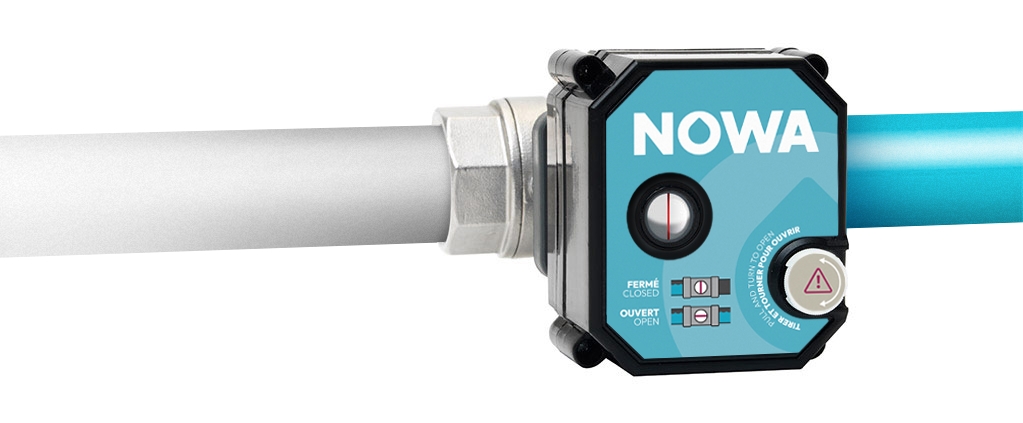
Detection is critical: but stopping the flow is what actually prevents disaster. Automatic water shut off valves are electronically controlled valves installed on your main water supply or at zone-specific locations throughout your building.
Here's how they work: When sensors detect a leak, they communicate with the valve controller. Within seconds, the valve automatically closes, cutting off water supply to the affected area. No waiting for a maintenance person to arrive. No scrambling to find the shut-off location. Just immediate, automated protection.
For high-rise applications, you can program valves to respond to one sensor or multiple sensors in a specific zone. For example, you might isolate the 9th floor east wing without affecting water supply to the rest of the building. This targeted approach minimizes inconvenience while maximizing protection.
Moreover, these valves integrate seamlessly with your Building Management System (BMS), creating a unified response across all building operations. When a leak occurs, your security team knows, your maintenance crew knows, and the system automatically logs the incident for insurance documentation.
What About False Alarms?
Let's be honest: false alarms are the Achilles' heel of older leak detection systems. Nothing destroys trust in your monitoring system faster than 3 AM phone calls about "leaks" that turn out to be condensation or someone mopping the floor.
Modern AI-powered systems solve this problem through pattern recognition and multi-sensor verification. The system learns what normal looks like in each location. A brief moisture reading from cleaning activities looks different than sustained water contact from an actual leak. The algorithms distinguish between the two.
Additionally, you can configure sensitivity levels for different areas. A sensor in a mechanical room might have a higher threshold than one under a sink, reducing nuisance alarms while maintaining protection.
Cloud-based platforms also provide historical data, letting you review past alerts and fine-tune your system over time. If a particular sensor consistently sends false positives, you can adjust its placement, sensitivity, or even replace it if hardware issues exist.

Real-Time Monitoring: Your 24/7 Protection System
The real power of modern high rise water leak detection comes from cloud-based, real-time monitoring accessible from anywhere in the Lower Mainland: or anywhere in the world.
When a leak is detected, the system simultaneously sends alerts via:
- SMS text messages
- Email notifications
- Push notifications to mobile apps
- Alerts to building concierge or security
- Direct alerts to maintenance staff
You're not tied to a physical control panel. Whether you're managing properties in Vancouver and Richmond simultaneously or you're away on vacation, you maintain complete visibility into your building's water safety status.
The cloud platform provides a dashboard showing:
- Current status of all sensors
- Historical data and trends
- Battery levels on wireless sensors
- Maintenance schedules and reminders
- Detailed incident logs for insurance claims
This 24/7 remote monitoring means you're informed the moment a leak occurs: often before physical damage begins. That's the difference between a $500 repair bill and a $50,000 insurance claim.
Taking the Next Step: Protecting Your High-Rise Investment
Water damage doesn't announce itself politely. It happens fast, spreads quickly in vertical buildings, and creates cascading problems that exponentially increase repair costs with every passing hour.
Installing a comprehensive water leak detection system with smart sensors and automatic shut off valves isn't just about preventing damage: it's about protecting your investment, maintaining resident satisfaction, and keeping your insurance premiums manageable. It's about sleeping better knowing your building has intelligent, automated protection working around the clock.
For property managers and strata councils across the Lower Mainland: from Vancouver high-rises to Surrey townhome complexes: the question isn't whether you can afford leak detection technology. It's whether you can afford another major water damage claim without it.
Ready to Protect Your Building? Call Leak Logic Canada Today
If you're ready to upgrade from reactive repairs to proactive protection, Leak Logic Canada specializes in comprehensive water leak detection solutions for high-rise buildings, strata properties, and commercial spaces throughout Vancouver, Burnaby, Richmond, Surrey, and the entire Lower Mainland.
We'll assess your building's unique risk factors, design a customized sensor placement strategy, and install systems that actually work in tall buildings: not just marketing brochures. Our team understands BC building codes, local climate challenges, and the specific needs of Lower Mainland property managers.
Don't wait for the next leak to find you. Contact Leak Logic Canada for a consultation and discover how modern leak detection can protect your building, your residents, and your bottom line.
Visit us at leaklogiccanada.com or call us directly to discuss your high-rise water leak detection needs. We're local, we're experienced, and we're ready to help you stop damage before it starts.