
Picture this: It's 2 AM on a Sunday. Your commercial building's sprinkler pipe just burst on the third floor. By the time someone discovers it Monday morning, water has cascaded down three levels, destroying ceiling tiles, flooding tenant spaces, and turning your insurance deductible into a five-figure nightmare.
Sound dramatic? It happens every single day across Canada. But here's the good news: modern commercial leak detection systems have evolved from basic "beep when wet" alarms into sophisticated networks that detect, alert, and actually stop leaks before they become catastrophes.
Let's break down what actually works: and what you need to know before your next water emergency.
Why Your Building Needs More Than Crossed Fingers
Commercial water damage isn't just expensive: it's exponentially expensive. Unlike residential leaks that might ruin a bathroom, commercial leaks can affect multiple units, disrupt businesses, trigger massive insurance claims, and even lead to lawsuits from affected tenants.
The average commercial water damage claim sits around $50,000. And if you're managing condos or apartments? Those strata deductibles can hit $25,000 or more for a single incident. Suddenly, investing in a proper commercial leak detection system doesn't seem like an expense: it's the cheapest insurance you'll ever buy.

The Three-Legged Stool: What Actually Works
Effective condo water leak detection and commercial protection relies on three core components working together. Miss one, and you're basically hoping for the best.
1. Smart Sensors That Don't Miss a Drop
Forget those battery-powered puck sensors you saw at the hardware store. Commercial-grade water leak sensors for apartments and office buildings need to be everywhere water might show up uninvited.
Point sensors are your frontline defenders. Install them at every high-risk spot: under water heaters, beside HVAC units, in mechanical rooms, near supply risers, and beneath sinks in common areas. These sensors detect water presence within seconds: not minutes: of contact.
Rope-style sensors are the unsung heroes for extended coverage. Run them along basement walls, under entire rows of hot water tanks, or anywhere water might travel. One 20-foot cable can monitor what would take a dozen point sensors to cover.
Modern sensors use electrostatic or conductivity technology to trigger the moment water bridges the detection gap. No false alarms from humidity. No missed leaks because the drip landed six inches away. Just reliable, instant detection.
2. Automatic Water Shutoff Valves (The Real MVP)
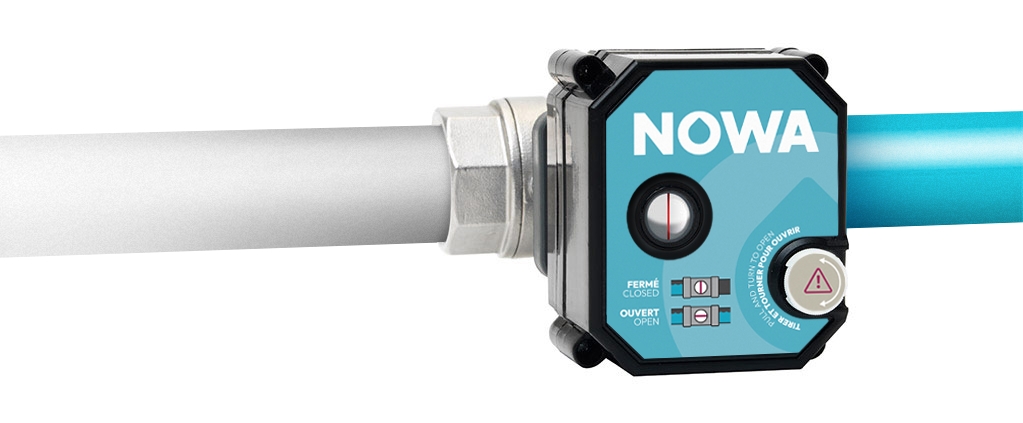
Here's where things get interesting. A sensor that screams "there's water!" is useful. A water shut off valve with leak detection that actually stops the flood? That's the difference between a minor cleanup and a catastrophic claim.
Automatic shutoff valves integrate directly with your detection network. The second a sensor triggers, the system closes your main water valve or zone-specific valves electronically: no human intervention required. While you're sleeping, vacationing, or stuck in traffic, the system is already protecting your property.
Even buildings without full automation should have electronic valve controllers in place. The ability to shut off water remotely via smartphone app can save tens of thousands of dollars while help is en route.

3. 24/7 Monitoring That Actually Reaches You
A leak detector that beeps in an empty mechanical room at 3 AM isn't protecting anything. Real commercial systems use wireless networks: typically operating on sub-1000 MHz radio frequencies for maximum building penetration: to communicate instantly with centralized monitoring hubs.
When water contacts a sensor, three things happen simultaneously:
- Local audible alarm activates at the detection point
- Wireless signal transmits through building hubs to the central base
- Cloud-based system fires off multi-channel alerts
You get simultaneous SMS texts, emails, phone calls, and app notifications. Your property manager gets them. Your maintenance team gets them. Your backup contacts get them if nobody acknowledges within five minutes. This isn't monitoring: it's an escalation protocol designed to ensure someone responds immediately.
The Cold Truth: Freeze Detection Saves Buildings
Let's talk about something most leak detection guides skip: freeze alert sensors. If you're in Canada (spoiler: you are), freeze damage is just as dangerous as traditional leaks: and way sneakier.
When temperatures drop near vulnerable pipes, water expands inside the lines. The pipe doesn't always burst immediately. Sometimes it develops micro-cracks that leak slowly. Sometimes it holds until a temperature swing causes catastrophic failure. Either way, you're looking at major damage.
Quality freeze alert sensors trigger when temperatures approach 5°C (41°F), well before pipes actually freeze at 0°C. This gives you time to take preventive action: boost heating, insulate vulnerable areas, or drain at-risk lines entirely.
For buildings with parkades, mechanical rooms near exterior walls, or supply lines running through unheated spaces, freeze detection isn't optional. It's the difference between a $200 heating adjustment and a $50,000 burst pipe repair.

The Insurance Angle Nobody Talks About
Installing a comprehensive commercial leak detection system does more than prevent damage: it actively improves your insurance position. Here's how:
Lower premiums: Many insurers offer 5-15% discounts for buildings with monitored leak detection. Over time, these savings cover installation costs entirely.
Reduced deductibles: Some policies lower deductibles for claims in buildings with automatic shutoff systems, since the potential damage is inherently limited.
Claim prevention: The best insurance claim is the one you never file. Every prevented leak maintains your claims history and keeps future premiums stable.
Liability protection: If a leak damages tenant property, documentation from your monitoring system showing rapid detection and response can significantly reduce liability exposure.
Smart property managers are now including leak detection specs in their insurance negotiations. It's no longer a "nice to have": it's a bargaining chip that pays dividends year after year.
Construction Sites and New Builds: Get It Right From Day One
If you're involved in new construction, pre-occupancy is your golden opportunity to install leak detection properly. Retrofitting is expensive and disruptive. Building it in from the start? That's just smart planning.
Modern builders are integrating water leak sensors for apartments during construction as standard practice: not because they're paranoid, but because warranty claims for water damage are expensive and reputation-destroying. A $3,000 leak detection system installed during construction prevents $100,000+ in warranty work and angry new owners.
For construction sites themselves, temporary leak detection protects against damage from supply line failures, HVAC condensate issues, or weather intrusion before weatherproofing is complete. These systems pay for themselves if they prevent even a single incident during build-out.
Real Talk: What This Actually Costs vs. What It Saves
Let's cut through the noise. A comprehensive commercial leak detection system for a mid-sized building runs $5,000-$15,000 depending on size, sensor count, and automation features. For a 50-unit condo building, that's $100-$300 per unit.
One significant leak: just one: typically causes $20,000-$50,000+ in damage, plus insurance deductibles, plus premium increases, plus lost tenant relationships, plus emergency contractor markups.
The math isn't complicated. The system pays for itself the first time it stops a major leak. Everything after that is pure savings and peace of mind.

Why Professional Installation Matters
You might be tempted to DIY this or hire your regular handyman. Don't. Commercial leak detection requires proper sensor placement based on building-specific risk analysis, correct wireless network configuration to avoid dead zones, integration with building systems and valve controllers, and professional monitoring setup with appropriate alert routing.
A poorly installed system gives you false confidence while missing actual vulnerabilities. Professional installers conduct proper risk assessments, identify all critical monitoring points, configure redundant communication paths, test the entire system end-to-end, and provide training on response protocols.
This isn't a weekend project: it's infrastructure that protects everything else you've invested in.
Your Next Move: Stop Hoping, Start Protecting
Every day without proper leak detection is another roll of the dice. You're betting that pipes will hold, temperatures won't drop too far, equipment won't fail, and tenants won't accidentally create water nightmares. That's not a property management strategy: that's just hoping for the best.
The buildings that avoid catastrophic water damage aren't lucky. They're protected by systems that detect problems in seconds, shut off water automatically, and alert the right people instantly: 24/7/365.
Ready to protect your property with a commercial leak detection system that actually works? The team at Leak Logic Canada specializes in designing and installing comprehensive detection systems tailored to your building's specific needs. From freeze alert sensors to water shut off valves with leak detection to complete 24/7 monitoring networks, we've got you covered.
Don't wait until you're standing in three inches of water wondering what went wrong. Call Leak Logic Canada today and let's build a protection system that actually works( before you need it.)