
If you're managing a high-rise in Vancouver, water damage isn't just a possibility: it's practically inevitable without the right safeguards. From the legacy of the leaky condo crisis to our notoriously rainy climate, Vancouver's towers face a perfect storm of risk factors that keep property managers and strata councils on high alert.
The good news? Modern high rise water leak detection systems are helping buildings across the city stay one step ahead of disaster. In fact, one Vancouver high-rise recently prevented 14 potential water damage incidents in just 60 days using proactive monitoring. Let's break down why your building might be vulnerable and what you can do about it.
The Leaky Condo Legacy Still Haunts Vancouver
Vancouver's leaky condo crisis of the 1990s wasn't just a construction scandal: it was a wake-up call that still echoes through our skyline today. During that era, builders imported design principles from sunny Los Angeles without accounting for one crucial difference: Vancouver gets rain. A lot of it.
Buildings constructed with acrylic stucco and exterior insulation finishing systems (EIFS) looked modern and sleek, but they had a fatal flaw. These materials trap moisture inside walls instead of letting it escape. In California's dry climate, minor water infiltration dries quickly. In Vancouver? That moisture stays put, creating the perfect breeding ground for rot, mold, and structural damage.

Even today, an estimated 200 buildings from that crisis era may still need further repairs despite previous remediation efforts. If your building was constructed between the mid-1980s and early 2000s, the building envelope might be a ticking time bomb. Water can penetrate through unsealed joints, cracks, or damaged weather barriers, and once it's inside those walls, it doesn't leave.
For strata councils managing older buildings, this legacy means heightened vigilance. Regular building envelope inspections are no longer optional: they're essential insurance against catastrophic damage claims.
Vancouver's Weather: Beautiful but Brutal on Buildings
Let's talk about the elephant in the room: rain. Vancouver receives an average of 1,200 millimeters of precipitation annually, with the wettest months dumping relentless rainfall on our buildings from October through March. While residents might grumble about grey skies, property managers know the real threat lurks in every downpour.
Heavy rainfall tests every weak point in a building's defenses. Missing or damaged flashing around windows and roofs, deteriorating caulking, compromised drainage systems: any of these vulnerabilities can turn a rainstorm into an insurance claim. Moreover, Vancouver's temperature fluctuations create freeze-thaw cycles that crack concrete and shift building materials, opening new pathways for water infiltration.
The coastal location adds another layer of complexity. Salt air accelerates corrosion of metal components, from rebar in concrete to fasteners holding rain screens in place. As these components deteriorate, the building's water-resistance degrades along with them.

For high-rises specifically, wind-driven rain poses a unique challenge. Water doesn't just fall down: it gets pushed horizontally against upper floors with considerable force, finding its way into the smallest gaps and penetrations. A building that performs perfectly in calm weather might spring multiple leaks during a windstorm.
High-Density Living Creates High-Stakes Risks
Vancouver's high-rises aren't just tall: they're packed with residents, complex plumbing systems, and multiple points of potential failure. Each unit contains water heaters, washing machines, dishwashers, and bathrooms, all connected to a labyrinth of pipes running through walls and between floors.
When a pipe bursts or a washing machine hose fails on the 20th floor, gravity ensures the problem doesn't stay localized. Water cascades downward, potentially affecting dozens of units before anyone even realizes there's a leak. One malfunctioning toilet supply line can cause hundreds of thousands of dollars in damage across multiple floors.
Additionally, high-density living means more people using building systems harder and more frequently. More showers, more laundry cycles, more dishwashing: all of it stressing aging pipes and connections. In buildings with original plumbing from the 1980s or 1990s, metal pipes may be corroding from the inside out, while rubber hoses and gaskets become brittle with age.
Parkades present their own challenges. These underground levels collect water from rain, snowmelt, and vehicle dripping, relying on drainage systems and sump pumps to stay dry. When these systems fail: and they do: water pools against foundation walls, increasing hydrostatic pressure and finding every tiny crack to exploit.
Aging Infrastructure: The Silent Threat
Even buildings constructed after the leaky condo crisis aren't immune to water damage risks. Infrastructure ages, and components designed to last 20-30 years are now reaching the end of their service life in buildings across Vancouver.
Hot water tanks typically last 10-15 years before the risk of catastrophic failure increases dramatically. How many units in your building have original water heaters from 2010 or earlier? Each one represents a potential flood waiting to happen. The same goes for dishwashers, washing machines, and the flexible supply lines connecting them to your plumbing.

Flat roofs, common in modern high-rise construction, require meticulous maintenance. Membrane roofing systems eventually crack, seams separate, and drainage becomes compromised. Many strata councils budget for roof replacement every 15-25 years, but damage can accelerate if maintenance lapses or extreme weather events exceed the roof's design tolerances.
Mechanical rooms house critical building systems: boiler rooms, HVAC equipment, electrical panels: often concentrated in basement levels vulnerable to flooding. A single failed pressure relief valve or leaking expansion tank can release thousands of gallons before anyone notices.
Modern Solutions: How Smart Detection Changes Everything
Here's where the story gets better. The technology protecting Vancouver high-rises has evolved dramatically, offering property managers and strata councils tools that would've seemed like science fiction during the leaky condo era.
Advanced condo water leak detection systems now provide 24/7 monitoring of vulnerable areas throughout buildings. Sensors placed near water heaters, under sinks, in mechanical rooms, and along critical pipe runs can detect even minor leaks within seconds, sending instant alerts to property management teams.
Remember that Vancouver high-rise that prevented 14 issues in 60 days? That's the power of proactive detection. Instead of discovering water damage after it's caused tens of thousands in destruction, building managers receive alerts when moisture first appears: often before visible damage occurs. Small leaks get fixed immediately instead of festering behind walls for months.

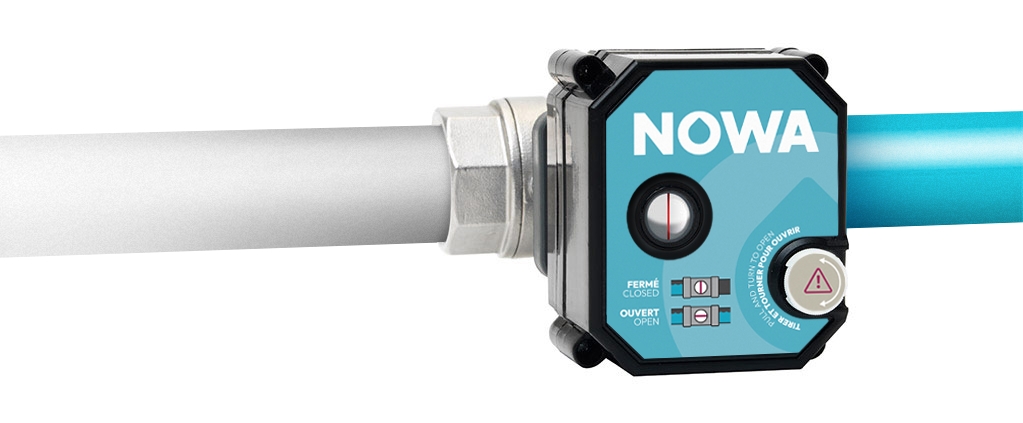
Modern systems integrate with building automation, providing real-time data on humidity levels, temperature fluctuations, and water flow anomalies. Some even connect to automatic shut-off valves, stopping water flow immediately when a major leak is detected, potentially preventing catastrophic flooding.
For strata councils evaluating budgets, these systems represent a fraction of the cost of even a single major insurance claim. One avoided flood can pay for an entire building-wide detection system, and the insurance premium reductions often offset installation costs within a few years.
What Property Managers Should Do Now
If you're managing a Vancouver high-rise, waiting isn't a strategy: it's a liability. Start with a comprehensive building assessment focusing on water vulnerability. Inspect building envelopes, review the condition of mechanical systems, and identify high-risk areas like parkades, mechanical rooms, and units with aging water heaters.
Implement a proactive maintenance schedule that addresses small issues before they become emergencies. Regular drain cleaning, roof inspections, and caulking refresh might seem like minor expenses, but they're cheap insurance against major damage.
Consider upgrading to smart high rise water leak detection technology. The initial investment protects your building's value, reduces insurance costs, and provides the peace of mind that comes from knowing you'll catch problems early. For strata councils, presenting this as a risk mitigation measure alongside cost-benefit analysis usually gains approval quickly.

Educate residents about their role in prevention. Simple actions like reporting slow drains, checking supply lines periodically, and knowing where their unit's shut-off valve is located can make the difference between a minor incident and a major disaster.
Vancouver's unique combination of climate, building history, and high-density living creates genuine challenges for high-rise management. But with the right combination of vigilance, modern technology, and proactive maintenance, you can protect your building and residents from the water damage risks that have plagued our city for decades.
The question isn't whether your building will face water-related issues: it's whether you'll detect and address them before they become catastrophic. Smart property managers and strata councils are choosing prevention over reaction, and the results speak for themselves.