
Water damage claims are the bane of every commercial building owner's existence. They're expensive. They're disruptive. And they send your insurance premiums through the roof.
But here's the thing: most of these claims are entirely preventable.
A commercial leak detection system doesn't just catch leaks, it fundamentally transforms your relationship with insurance companies. Instead of being labeled a high-risk property with a claims history, you become a proactive building owner with documented risk mitigation.
That shift changes everything.
The Insurance Problem No One Talks About
Let's be real. If you own or manage a commercial building, you've probably noticed your insurance situation getting worse over the past few years.
Premiums climbing. Coverage restrictions tightening. Some properties even being deemed "uninsurable" regardless of how much you're willing to pay.
Water damage is often the culprit. A single burst pipe in a high-rise can cause hundreds of thousands in damage. Multiple incidents? Your insurer starts viewing you as a liability rather than a customer.

The traditional approach has been reactive. Wait for something to go wrong. File a claim. Deal with the aftermath. Watch your premiums spike.
That model is broken.
Prevention Beats Reaction Every Single Time
Here's the fundamental shift that commercial leak detection brings: you stop managing claims and start preventing them entirely.
Modern point-of-leak detection systems identify leaks within seconds. Building management gets alerted within a minute, complete with the specific location of the problem. That rapid response window is the difference between a mop and bucket situation versus a six-figure insurance claim.
The numbers don't lie. One major detection system caught 3,610 leaks in 2024. Zero false alarms. Zero insurance claims.
Read that again. Over three thousand leaks detected and addressed before they became claims.
Another system detected and resolved over 400 leak incidents in a single year, preventing an estimated $5 million in water damage. That's not a typo. Five million dollars in damage that never happened because the technology caught problems early.
How Detection Systems Actually Work
If you're picturing complicated industrial equipment, think again. Today's commercial leak detection is surprisingly straightforward.
Strategic sensor placement throughout your building monitors high-risk areas continuously. Think mechanical rooms, under sinks, near water heaters, along pipe runs, and in areas prone to condensation.
When moisture is detected, the system immediately:
- Alerts building management with precise location data
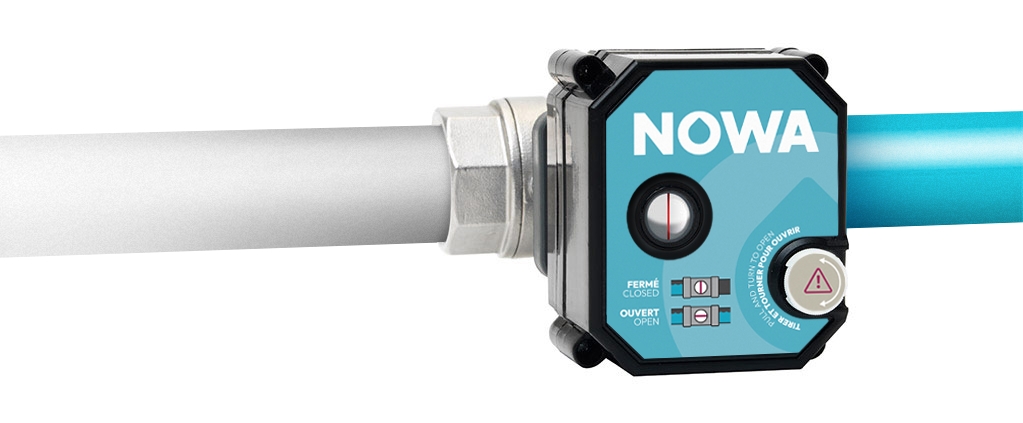
- Triggers automatic shutoff valves to isolate the affected area
- Logs the incident for documentation and insurance purposes

The automatic shutoff capability is crucial. Water doesn't wait for someone to respond. Even a fifteen-minute delay can mean the difference between localized damage and multiple floors being affected.
By isolating water to specific areas before it spreads, you're not just preventing damage, you're creating documented proof that your building has robust risk mitigation in place.
The Insurance Benefits Are Massive
Now let's talk about what really matters to your bottom line: how this changes your insurance situation.
Premium Discounts
Many insurers now offer premium discounts of 8-20% for buildings with advanced water leak detection systems. On a commercial property, that's not pocket change. We're talking thousands, sometimes tens of thousands, in annual savings.
Better Coverage Terms
Properties with comprehensive leak detection become more attractive to insurers. You qualify for better coverage terms, fewer exclusions, and more favorable deductibles. You're no longer fighting for basic coverage, you're negotiating from a position of strength.
Escaping "Uninsurable" Status
For some building owners, the situation has become dire. Certain properties have been deemed uninsurable for water damage, regardless of premium. Leak detection systems have helped properties escape that designation by demonstrating quantifiable risk reduction.
Real-World Savings
The proof is in the results. A 26-story condominium reduced its insurance premium by $300,000 after implementing comprehensive detection. A hospitality client achieved over $300,000 in savings in the first year, plus improved premiums the following year.
These aren't hypothetical scenarios. They're documented outcomes from real buildings.
What Underwriters Actually Want to See
Insurance underwriters aren't mysterious creatures. They have a simple job: assess risk and price it accordingly.
When you install a commercial leak detection system, you're giving them exactly what they want:
Proactive Risk Mitigation
Documentation showing you've invested in prevention, not just reaction. This signals you're a responsible building owner who takes risk seriously.
Reduced Claim Frequency
A detection system means fewer incidents escalate to the claim stage. Lower frequency equals lower risk.

Reduced Claim Severity
When incidents do occur, early detection and automatic shutoff minimize damage scope. Smaller damage means smaller claims.
Verifiable Data
Modern systems log everything. You can provide underwriters with concrete data showing your building's leak history, response times, and prevention track record. That transparency builds trust.
Properties with this documentation are viewed more favorably during underwriting. It's easier to secure comprehensive coverage, and you're less likely to face premium hikes or policy restrictions after renewal.
The Vancouver High-Rise Example
Let's bring this home with a local example.
A Vancouver high-rise was facing the insurance nightmare scenario. Multiple water damage claims had made their premiums unsustainable and coverage increasingly difficult to secure.
After implementing a comprehensive leak detection system with automatic shutoff valves, the results were dramatic. Leak incidents that previously would have caused significant damage were caught and contained within minutes. The claims stopped.
Within a year, the building's insurance situation had completely transformed. Premiums dropped. Coverage improved. The property went from high-risk to proactive leader.
That's the power of prevention over reaction.
Beyond Insurance: The Full Picture
While insurance savings are compelling, they're not the only benefit worth considering.
Reduced Repair Costs
Catching leaks early means smaller repairs. You're fixing a dripping pipe, not replacing drywall, flooring, and electrical systems across multiple units.
Tenant Satisfaction
Water damage disrupts tenants. It damages their belongings. It forces relocations. A building that prevents these incidents keeps tenants happier and reduces turnover.
Property Value Protection
Water damage history affects property values. Buildings with documented prevention systems and clean claims records are more attractive to buyers and lenders.
Peace of Mind
There's something to be said for not dreading every cold snap or aging pipe. Knowing your building is monitored 24/7 lets you focus on other priorities.
Making the Investment Decision
Here's the honest conversation about cost.
Yes, implementing a commercial leak detection system requires upfront investment. Sensors, shutoff valves, monitoring systems, and installation all have price tags.
But consider the math:
- A single major water damage claim can cost $100,000 to $500,000+
- Insurance premium savings of 8-20% compound annually
- Avoided repair costs add up quickly
- Property value protection has long-term financial implications
For most commercial buildings, the system pays for itself within one to two years: often faster if you factor in insurance savings alone.
The question isn't whether you can afford leak detection. It's whether you can afford not to have it.
Taking the First Step
If you're ready to transform your building's insurance situation, the path forward is straightforward.
Start with an assessment of your property's risk areas and current coverage situation. Understand where leaks are most likely to occur and what your insurance policy actually covers.
Then explore detection solutions that match your building's needs. A 50-unit condo has different requirements than a commercial office tower or mixed-use development.
The goal is a system that provides comprehensive coverage, integrates automatic shutoff capabilities, and delivers the documentation insurers want to see.
Learn more about advanced leak detection and insurance benefits or explore how water leak detection drives insurance savings.
The Bottom Line
Commercial leak detection isn't just technology. It's a strategic shift in how you manage risk and interact with insurers.
You stop being reactive. You start being proactive. Your building goes from liability to asset.
The insurance industry is paying attention to which properties invest in prevention. Those buildings get better coverage, lower premiums, and fewer headaches.
The question is simple: which side of that equation do you want to be on?