
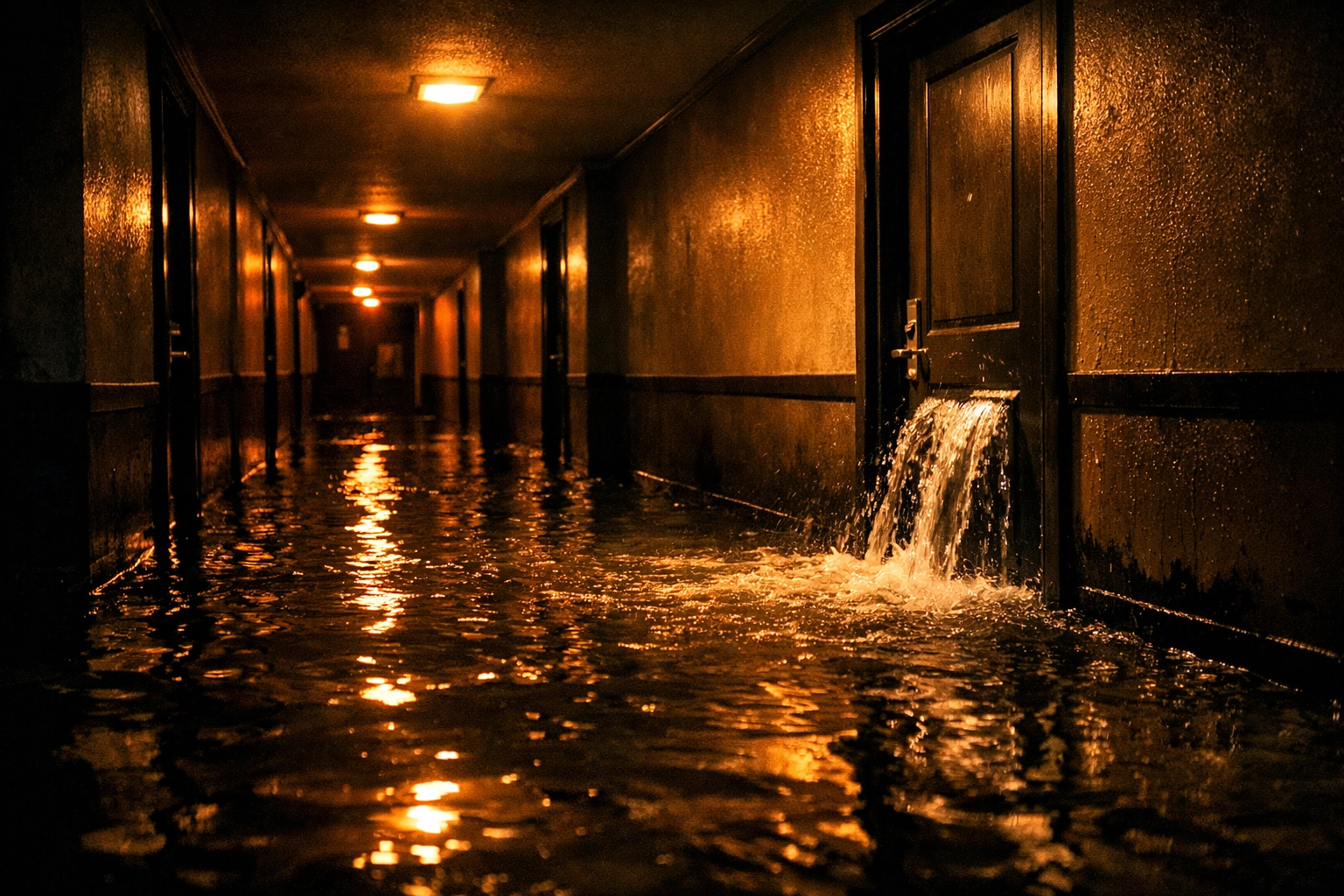
Picture this: It's 2 AM. A pipe bursts on the third floor of your condo building. Water is flooding into multiple units below. And nobody knows about it until morning.
By then? You're looking at tens of thousands in damage. Displaced residents. Insurance headaches. Angry strata council meetings.
Now imagine the same scenario, but with an automatic water shut off valve. The system detects the abnormal water flow, shuts everything down in seconds, and sends you a real-time alert on your phone.
That's the difference we're talking about.
So do you really need one? Let's cut through the noise and get to the truth.
What Exactly Is an Automatic Water Shut Off Valve?
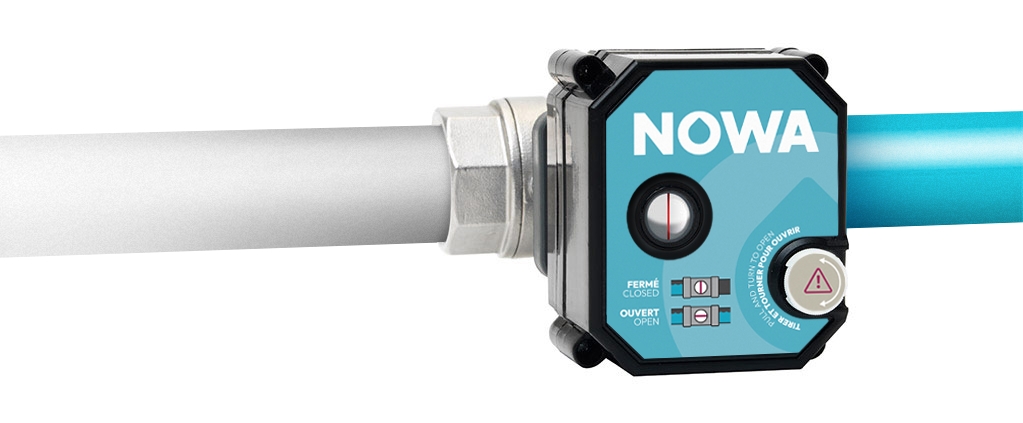
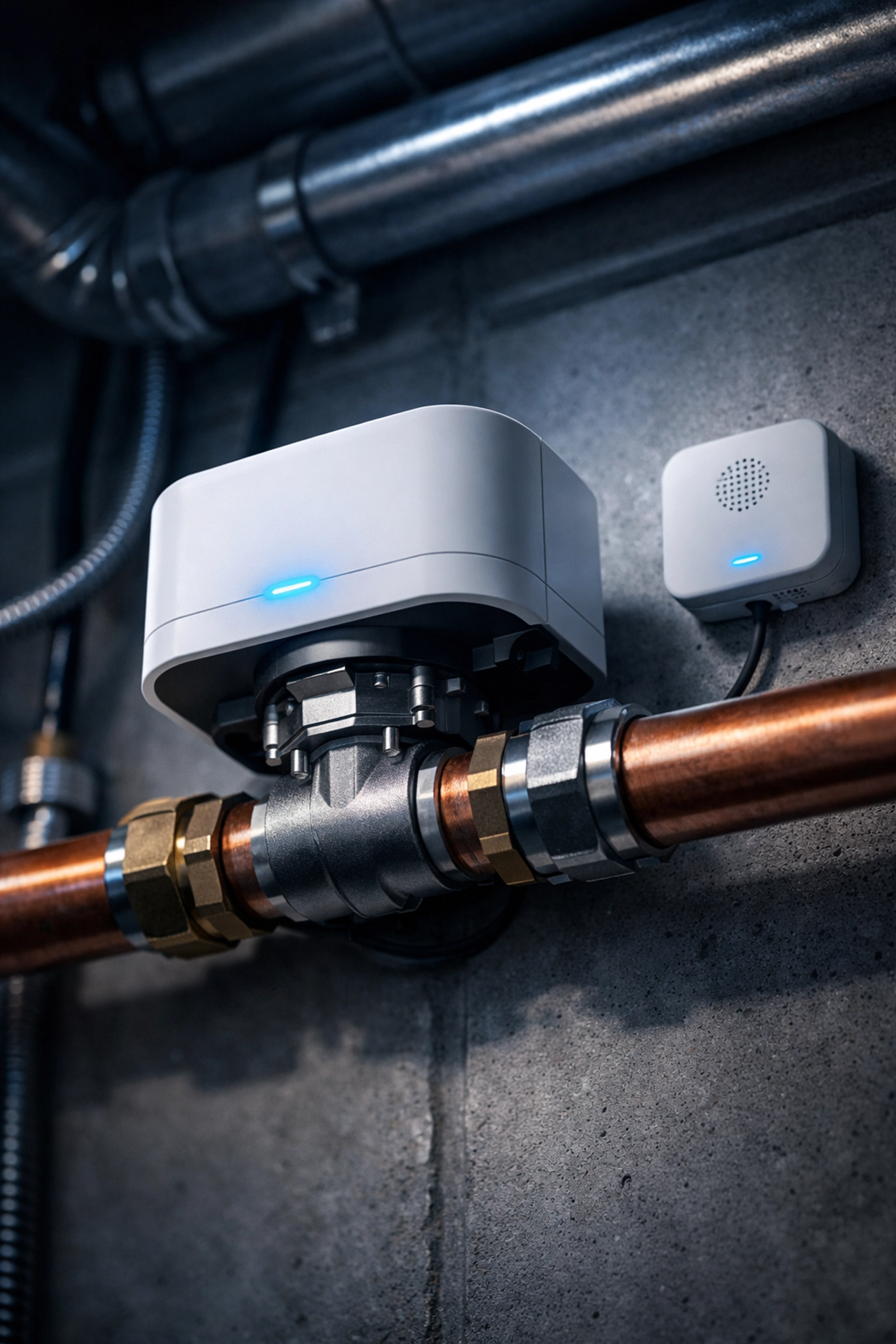
An automatic water shut off valve is pretty much what it sounds like. It's a valve connected to leak detection sensors that automatically cuts the water supply when something goes wrong.
No human intervention required.
Traditional manual shut-off valves are fine, if someone's physically there to turn them off. But pipes don't burst on a convenient schedule. They fail at night. On holidays. When the building is empty.
Automatic valves monitor your water flow constantly. When they detect unusual activity, like a burst pipe or a slow leak, they react immediately.
The Real Cost of Water Damage in Condos and Strata Buildings
Here's a number that should get your attention: water damage is the most common insurance claim in Canadian multi-residential buildings.
And it's not cheap.
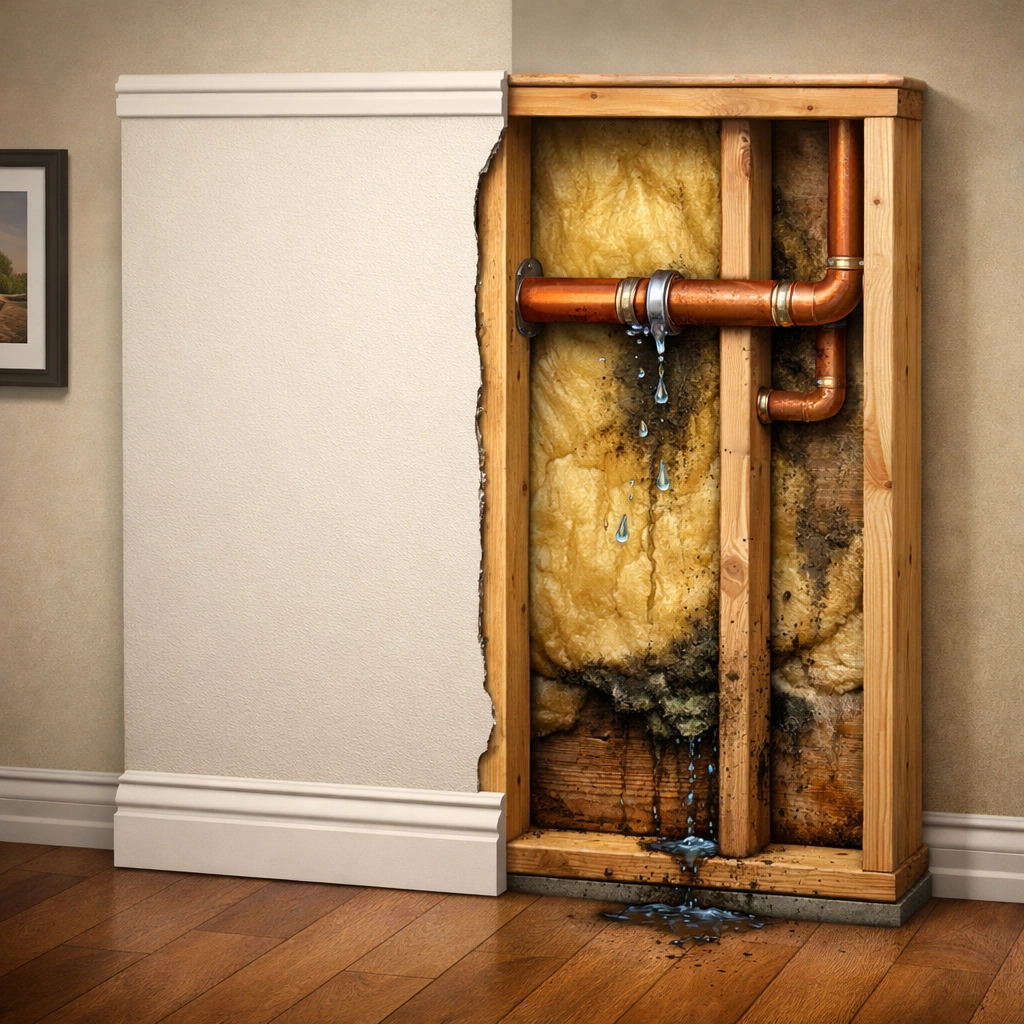
A single water damage incident in a condo building can easily cost $50,000 to $100,000 or more. That's not just repairs, it's resident displacement, emergency contractors, mold remediation, and skyrocketing insurance premiums for years to come.
For strata councils, this hits hard. Special assessments. Budget overruns. Frustrated owners.
The kicker? Most of this damage is preventable.
A small leak detected early is a minor repair. A small leak left running for hours becomes a catastrophe.
Why Automatic Shut Off Valves Matter for Condo Associations
If you're on a strata council or manage a condo association, you already know the headaches water damage causes. Let's break down why automatic shut off valves are becoming non-negotiable for multi-unit buildings.
1. They Work When Nobody's Watching
Most water damage happens when units are unoccupied. Residents are at work. On vacation. Visiting family.
An automatic valve doesn't need anyone home. It monitors, detects, and acts, 24/7.
This is especially critical for vacation properties, investment units, or buildings with seasonal occupancy patterns.
2. Real-Time Alerts Keep You in the Loop
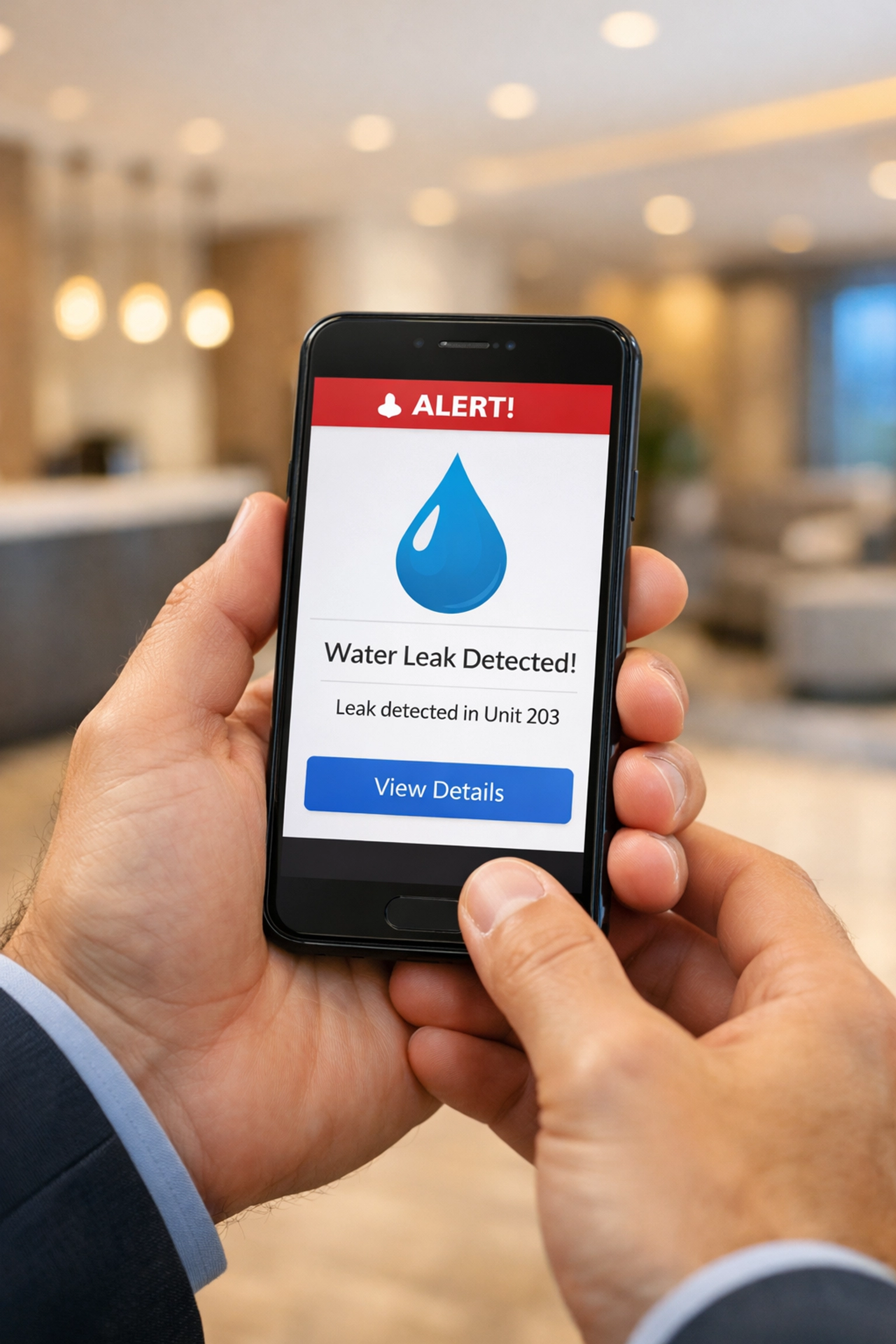
Modern systems don't just shut off the water. They send real-time alerts directly to your phone or building management system.
You'll know there's a problem the moment it happens, not the next morning when a resident calls about their soaked ceiling.
This early warning gives you time to respond, minimize damage, and coordinate repairs before things spiral.
3. Insurance Companies Love Them
Here's something strata councils should pay attention to: many insurance providers now offer premium discounts for buildings with automatic water shut off systems installed.
Why? Because they work. Insurers know that buildings with leak detection and automatic shut-off have dramatically fewer claims.
Some insurers are even starting to require these systems for coverage on older buildings. Getting ahead of this trend makes financial sense. Learn more about how leak detection impacts insurance.
4. They Catch Problems You Can't See
Not all leaks are dramatic bursts. Some are slow, hidden drips behind walls or under floors.
These silent leaks can waste thousands of gallons of water over months. They cause mold. Structural damage. Rot.
Automatic systems monitor water flow patterns and can detect abnormalities that humans simply miss. By the time you see water stains on a ceiling, the damage is already done.
The Honest Trade-Offs
Let's be real, automatic shut off valves aren't magic. There are a few things to consider.
Cost: Yes, they're more expensive than basic manual valves. Installation in a multi-unit building requires planning and professional setup.
Power Requirements: These systems need electricity and sensors to function. You'll want battery backup for power outages.
Calibration: If not set up properly, an overly sensitive system might shut off water during normal high-use periods. Proper installation and calibration prevent this.
Maintenance: Like any system, they need occasional checks to ensure everything's working correctly.
That said, when you weigh these factors against the cost of a single major water damage incident, the math usually works out in favor of protection.
Who Benefits Most?
Automatic water shut off valves aren't just for luxury high-rises. They're valuable for:
- Condo associations and strata councils managing multi-unit buildings
- Property managers responsible for tenant safety and building maintenance
- Vacation properties or units that sit empty for extended periods
- Older buildings with aging pipes more prone to failure
- Anyone who travels frequently and can't monitor their property daily
If you fall into any of these categories, you're a prime candidate for this technology.
What About Manual Valves?
Manual shut-off valves still have their place. Every building should have them as a reliable backup.
But relying solely on manual valves means relying on someone being present, aware, and quick to act.
The smartest approach? Both.
A manual main shut-off for emergencies you're present for. An automatic system for everything else.
This layered protection covers your bases whether you're home or halfway around the world.
Real-Time Alerts: The Game Changer
We keep coming back to this feature because it matters that much.
Real-time alerts transform how you manage water risk. Instead of reacting to disasters, you're preventing them.
Imagine getting a notification on your phone: "Unusual water flow detected in Unit 412. Water supply shut off automatically."
You can immediately contact the building manager, dispatch maintenance, and address the issue, often before any real damage occurs.
That's not just convenience. That's protection.
For more on how smart detection systems work, check out our breakdown of smart water leak detector benefits.
The Bottom Line
Do you absolutely need an automatic water shut off valve?
If you're a condo association or strata council responsible for a multi-unit building, the answer is increasingly yes.
The cost of water damage: financially, operationally, and in terms of resident trust: is simply too high to ignore. And the technology to prevent it is more accessible than ever.
Automatic shut off valves with real-time alerts give you:
- 24/7 protection without human intervention
- Instant notifications when something goes wrong
- Potential insurance savings that offset installation costs
- Peace of mind knowing your building is protected
You don't have to wait for a disaster to take action. The best time to protect your building is before you need to.
Ready to explore your options? Visit Leak Logic Canada to learn how we help condo associations and strata councils prevent water damage before it starts.